


PC Shipments Declined 22.4% in 3Q26
Worldwide PC shipments totaled 55.4 million units in the third quarter of 2026, down 22.4% from the third quarter of 2025, according to preliminary results from Gartner.
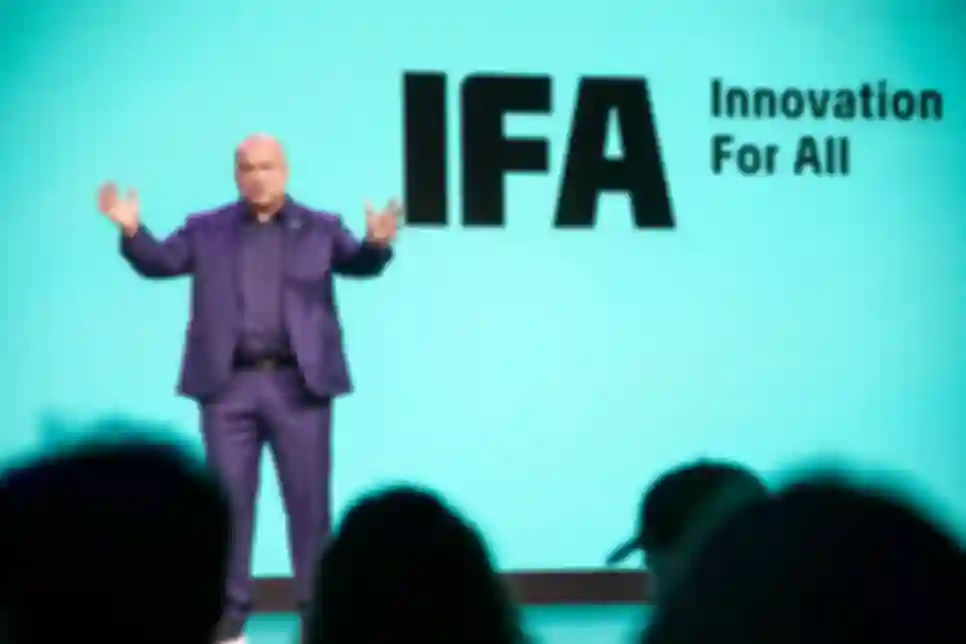
IFA Berlin, recognized as the premier global event for Consumer Electronics, Home Appliances, and Future Tech, successfully convened over 100 C-level executives and senior decision-makers from the international retail sector today. These industry leaders met at the IFA Retail Leaders Summit to deliberate on the shifting landscape and the future of retail at the Palais am Funkturm, located on the grounds of Messe Berlin.
Through the Retail Leaders Summit, IFA is solidifying its position as the primary platform for the international retail community. As the Gold Sponsor of the 2026 summit, Idealo showcased the ways in which modern consumers discover, compare, and eventually decide on specific products and vendors. Prominent brands including Expert, Euronics, MediaMarktSaturn, EK Retail, Telering, Weltfunk, and ElectronicPartner also supported the gathering as official IFA Retail Partners.
“The retail sector is and will remain a VIP at IFA. Especially now, the industry needs places where retailers, brands, and technology companies can discuss how innovation can create new growth. Today’s keynotes and discussions gave us in-depth insights into new strategies and technologies that will be crucial to the future of retail. That’s what IFA is all about: bringing the industry together and driving progress,” says Leif Lindner, CEO of IFA Management.
During the summit's opening, Carine Chardon, Managing Director of GFU Home & Consumer Electronics, and Martin Schulte, Partner for Retail and Consumer Goods at Oliver Wyman, introduced their comprehensive study titled “Retail 2030: A 360-degree perspective on the future of retail”. The research explored the specific challenges that evolving consumer behaviors in the electrical appliances segment pose for both manufacturers and retailers. Conducted in August 2026 across China, Germany, the United Kingdom, and the United States, the survey by Oliver Wyman and GFU confirms that artificial intelligence is set to become an essential component of the shopping experience.
“AI is rapidly becoming part of the shopping process. AI already played an active role in the most recent electronics purchase of 60 per cent of respondents. In China, generative technology was involved in the shopping process for as many as 90 per cent of respondents. This is creating a new discipline for industry and retail: in future, marketing will need to persuade not only people, but machines as well. Retailers or suppliers that are not visible in AI systems risk no longer being considered during product selection,” says Carine Chardon, Managing Director of GFU Consumer & Home Electronics.
Beyond the rise of artificial intelligence, social commerce is increasingly becoming a major factor in electronics purchasing decisions. At the same time, traditional services such as expert advice, professional installation, and repairs remain highly relevant to the modern consumer and continue to serve as primary drivers in the selection of a specific retailer.

Worldwide PC shipments totaled 55.4 million units in the third quarter of 2026, down 22.4% from the third quarter of 2025, according to preliminary results from Gartner.

European businesses are increasingly reliant on artificial intelligence, according to the results of the latest Eurobarometer survey.

The global smartphone market contracted by 22% year-on-year to 255.3 million units in the third quarter of 2026, according to preliminary data from IDC.


