When it comes to electric vehicles, even high-speed charging is not always speedy enough. The idle time during charging and the costs these entail are deterring companies such as taxi services and ride-hailing operators from electrifying their fleets.
Added to this is the uncertainty surrounding the performance of batteries in continuous use: how long do they last and how reliable are they? Given the vital role electric mobility plays in enabling climate action in downtown urban areas, additional solutions have to be found.
This is where the alliance between Bosch and the Mitsubishi Corporation with Blue Park Smart Energy (BPSE) comes in. The partners are joining forces to create Battery as a Service (BaaS) innovations. The main idea here is that fleet operators will no longer have to purchase the batteries; they will simply pay to use them. This reduces not only the initial investment outlay but also operating costs, as electric vehicles can be operated more economically.
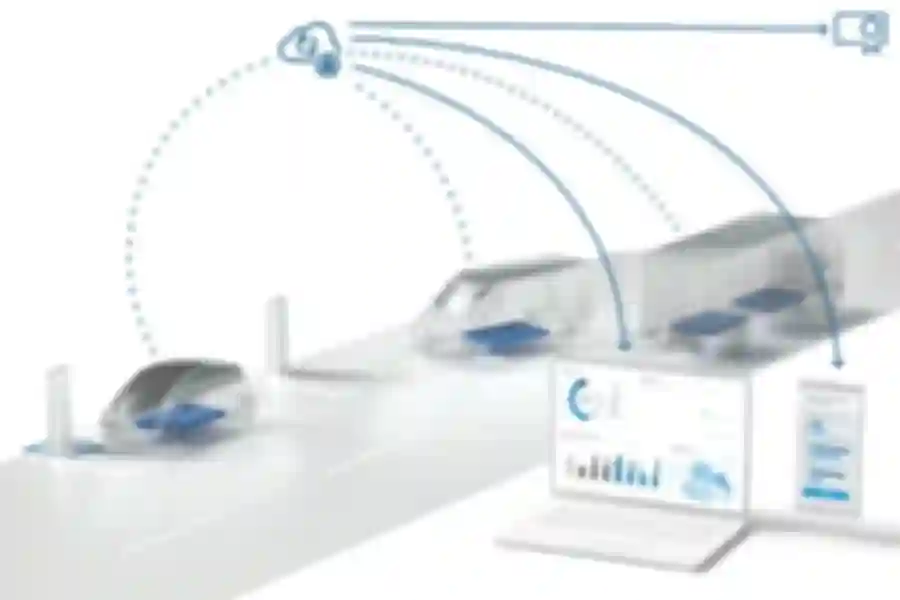
The battery in the Cloud, a system of cloud-based services from Bosch, will serve as the technical foundation for the cooperation. Smart software functions in the cloud continuously analyze a vehicle’s battery status and take appropriate action to prevent or slow cell aging. This, in turn, improves battery performance and service life. “With our deep experience in connected mobility, we will work closely with the partners to explore new service models for batteries,“ says Zheng Xinhang, general manager of Bosch Connected Mobility Solutions.
In the pilot project in China, Mitsubishi is a commercialization partner and Bosch is working with BPSE. Blue Park Smart Energy is part of the BAIC Group and a leading company for battery swap systems. “In this cooperation, Mitsubishi’s broad commercial experience and resources together with Bosch’s Battery in the Cloud service will link the battery swapping business to the financial service,“ says Seiji Hamanaka, General Manager of Battery Business Department at Mitsubishi.
Besides developing technical solutions, plans are in place to create a financial leasing ecosystem that will then be marketed to mobility service providers and financing companies. “The cooperation can build a profitable business for commercial fleet operators while contributing to the reduction of greenhouse gases and creating a more favorable environment for the adaptation of new energy vehicles,“ Hamanaka adds.
Burra was created as a platform for consolidating IT services companies in Southeast Europe, with a commercial focus on Western Europe and the United States. Its first members, Devōt, Tacta and CoreLine, continue to run their existing businesses while integration is planned gradually, primarily through new projects. Sven Marušić says the aim is not to turn founders into corporate employees, but to build a larger organisation in which they remain shareholders and drivers of growth.
Telecom operators are no longer using AI only for network optimisation and routine operations. They are applying it to faster product development and customer conversations. Matija Ražem says AI enables prototypes in hours, quicker market testing, and automation of many standard support questions. The next step may be a world where personal digital agents interact with agents from telecoms, banks and other large organisations.
ReversingLabs is developing agent-based approaches to security operations, while warning that the expertise needed to manage such systems will become even more critical.