Smartphone Shipments Fell 6 Percent in 1Q26
The global smartphone market remained under pressure in 1Q26, with shipments declining 6%, according to preliminary estimates from Counterpoint Research.

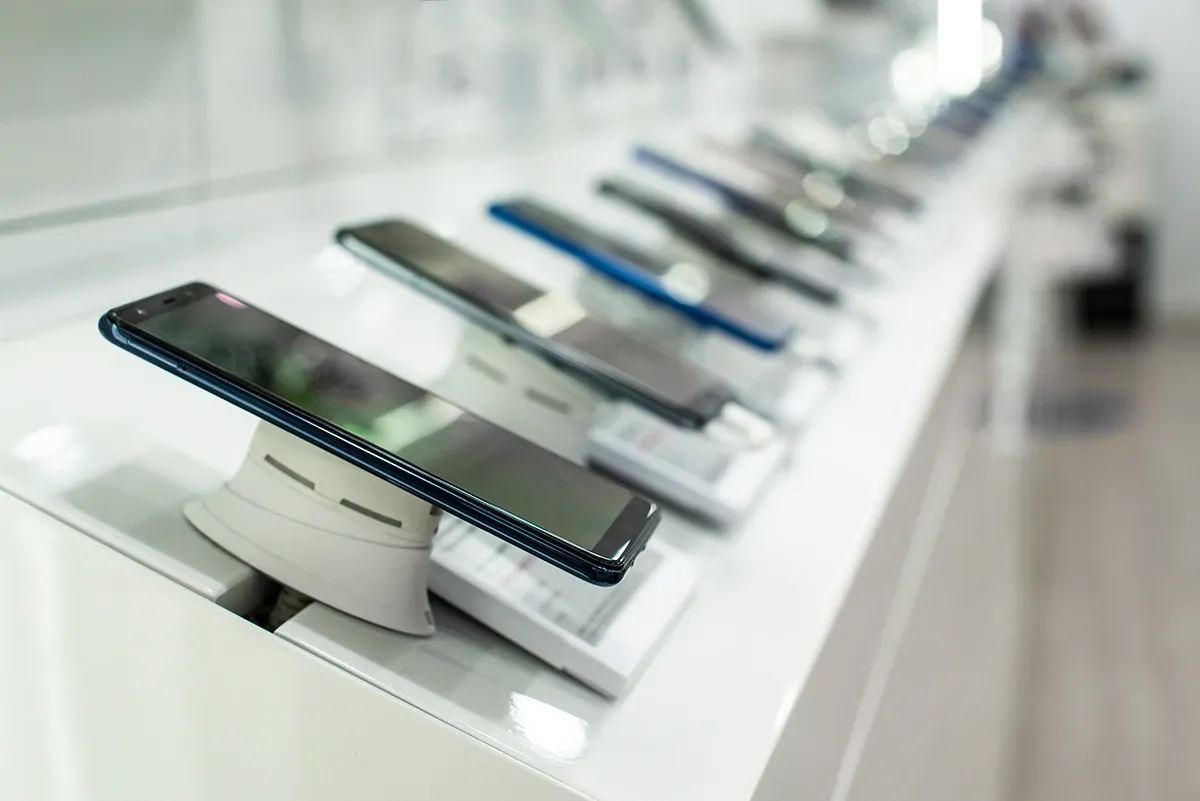
The global smartphone market remained under pressure in 1Q26, with shipments declining 6%, according to preliminary estimates from Counterpoint Research. The shortage of DRAM and NAND memory components and weaker demand drove the growth.
While some regions showed relative stability, overall market sentiment remained cautious as OEMs adjusted their pricing and production strategies, including delaying products and reducing launches, and consumers held back on discretionary purchases amid Middle East tensions. At the same time, some OEMs frontloaded shipments in anticipation of component price hikes and logistics cost escalation, offsetting a greater drop in shipments.
“This decline in shipments is primarily driven by memory players prioritizing AI data centers over consumer electronics, leaving OEMs with compressed margins and forcing them to pass increased Bills of Material (BOM) costs directly to the consumer. While supplies remained constrained, rising energy prices, higher logistics costs, and economic uncertainty driven by tension in the Middle East kept consumer sentiment for new devices low, driving demand for refurbished devices and further weighing on shipments. The shortage of memory chips and rising costs have impacted the price-sensitive segments the most, such as entry and mid-range devices, which are most exposed to such demand and supply pressures. While premium device makers like Apple remained relatively resilient to these pressures, volume-driven Chinese brands experienced sharper declines, especially in price-sensitive regions, contributing to the overall drop in global shipments,” said Shilpi Jain, Senior Analyst at Counterpoint Research.
Apple led the global smartphone market for the first time in Q1, achieving 21% market share and 5% YoY growth in 1Q26. Samsung’s shipments declined 6% with a 20% market share, as the brand faced challenges due to weaker demand in the mass-market segment and a delay in the S26 series launch. Xiaomi, despite maintaining its third spot in the global market with 12% share, dropped the highest among the top five brands at 19% YoY. OPPO and vivo captured the fourth and fifth spots in the market in 1Q26 with 11% and 8% shares, respectively. Beyond the top five, HONOR, Google, and Nothing witnessed a significant growth in shipments in Q1, with HONOR and Nothing growing 25% and Google growing 14%.
The outlook for 2026 remains weak, as the memory crunch may last until late 2027. OEMs are expected to prioritize value over volume, configuration updates, cutting low-margin models, and leveraging refurbished devices to retain budget users. With premiumization holding steady but margins under pressure, brands will increasingly rely on software, ecosystem expansion, and services for growth in the coming quarters.
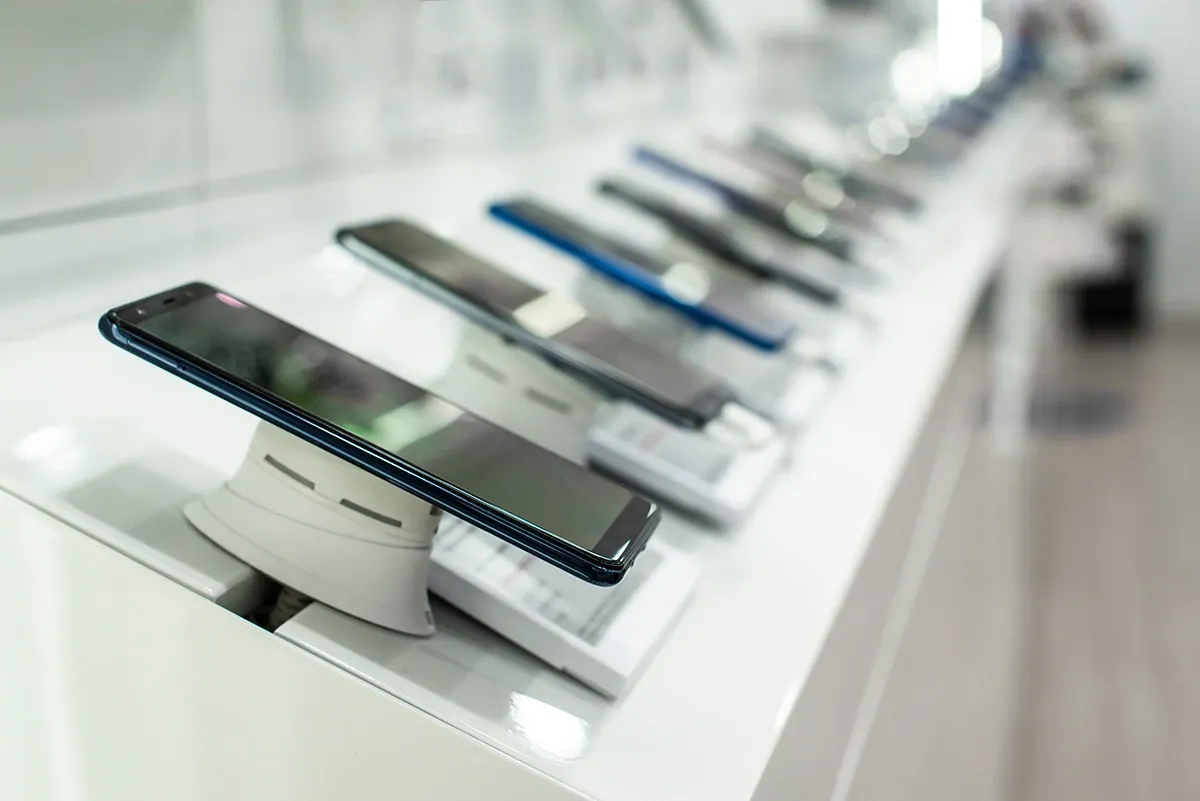
The global smartphone market remained under pressure in 1Q26, with shipments declining 6%, according to preliminary estimates from Counterpoint Research.

Total shipments of desktops, notebooks, and workstations in 1Q26 increased by 3.2% year-over-year to 64.8 million units, according to Omdia.

Global smartphone shipments decreased 4.1% year-over-year (YoY) to 289.7 million units in the first quarter of 2026, according to preliminary data from IDC.