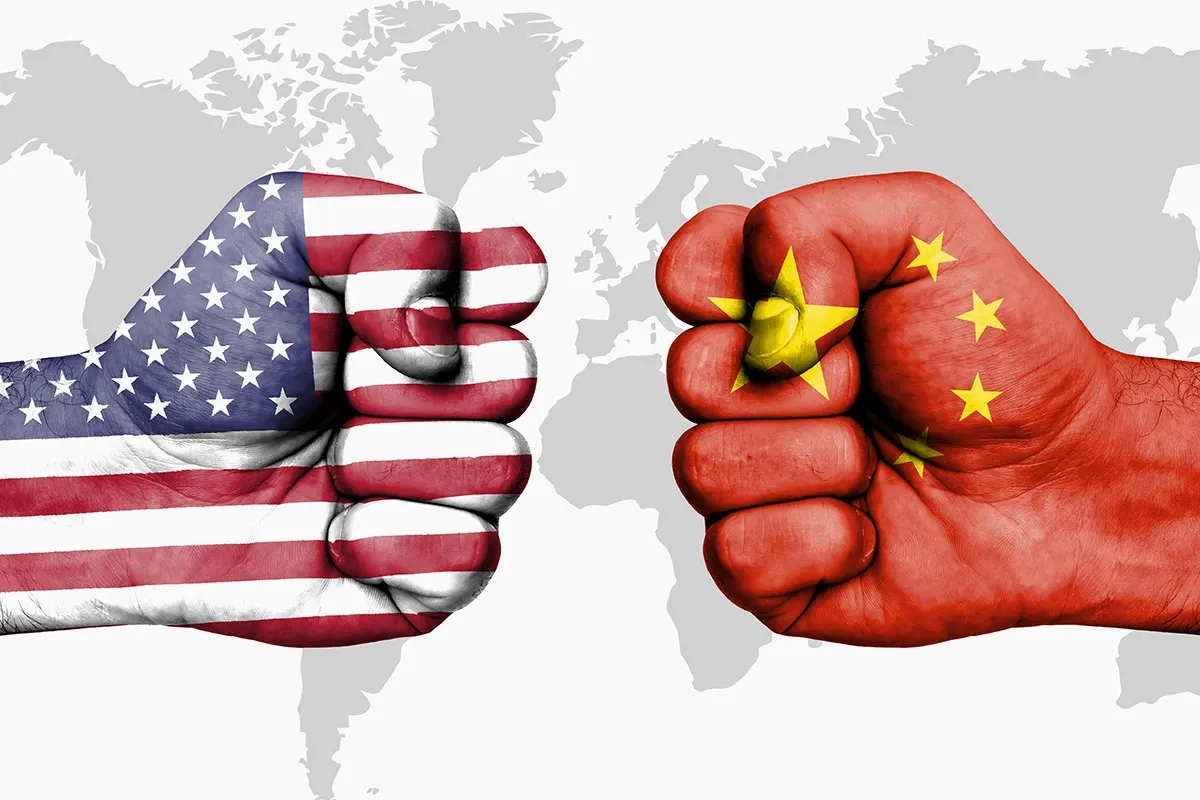
Chinese Tech Companies Race to Secure Huawei AI Chips
Chinese tech companies, including ByteDance, Tencent, and Alibaba, are racing to secure AI chips from Huawei after a spike in demand driven by the release of DeepSeek’s latest V4 AI model.


The telecommunications industry is entering a period of profound technological transformation in which network infrastructure, artificial intelligence, and new generations of mobile technologies are becoming key drivers of development. In this environment, A1 Croatia continues to invest heavily in network expansion and digital technologies while simultaneously exploring new applications of artificial intelligence across its operations and customer services.
According to Dejan Turk, President of the Management Board and CEO of A1 Croatia, the company closed 2025 on a stable footing despite uncertainty in the broader market environment. Revenues reached just under €600 million, while investments amounted to around €80 million, primarily directed toward infrastructure and network development. “Every year looks challenging when we plan it because there is a lot of uncertainty, but in the end, we finished 2025 well,” Turk explains. He notes that most investments are focused on network infrastructure, but also on emerging technologies that could shape the future of the telecom industry.
Artificial intelligence is becoming one of the key technological pillars of this transformation and is already being applied in several operational areas. “We have been using AI tools for network planning for two to three years. It may not be visible to users, but it allows us to optimise the network and achieve better results with lower CAPEX investments,” Turk says.
Beyond network optimisation, AI is increasingly used in customer service operations. A1 has introduced digital assistants in both Croatia and Slovenia capable of handling a significant portion of routine user requests. “Around a quarter of simple interactions with our customer service centre can already be handled by a bot,” Turk notes, adding that the role of AI will expand further in the coming years.
The company has also created internal teams dedicated to exploring AI applications across different business functions. “We are looking at the broader picture of AI adoption – from finance and legal processes to product marketing and development,” Turk says. He also highlights the use of AI tools in content production, where they help reduce costs related to promotional materials and media production.
Croatia’s tourism-driven economy creates unique challenges for network management. During the summer season, network traffic in coastal areas can increase dramatically. “Traffic along the coast can grow up to ten times during peak tourist months. AI can help us better manage network capacity, energy consumption, and overall performance,” Turk explains.
When it comes to mobile network evolution, the industry’s focus remains firmly on expanding 5G capabilities while gradually preparing for future technological phases. “The main focus is still on 5G. At the same time, we are phasing out 3G technology and freeing up spectrum that can be used for 4G and especially 5G services,” Turk says.
However, the business case for 5G is still evolving. “We are only at the beginning of the 5G monetisation story. Private networks may create opportunities, but we are also seeing completely new use cases emerging,” he explains. One example being tested within the A1 Group is drone detection using 5G networks. “A 5G network could potentially distinguish a drone from a bird, which opens up entirely new security and commercial applications.”
Alongside mobile networks, significant investments are also being directed toward fixed broadband infrastructure. Telecom operators must balance long-term fibre deployment with the need to provide high-speed connectivity in rural or sparsely populated areas.
“Fixed infrastructure is a long-term investment that can handle almost unlimited capacity, while mobile capacity is consumed very quickly as users increase their data usage,” Turk says. As a result, A1 continues to develop both technologies simultaneously. “We build fibre where there is clear economic viability, and in other areas we rely on 5G to bridge coverage gaps that would be difficult or too expensive to reach with fiber.”
This dual strategy illustrates how telecom operators today must combine multiple technologies to deliver resilient and scalable digital infrastructure. As data consumption continues to grow and economies become increasingly digital, the ability to integrate artificial intelligence and advanced network technologies will play a decisive role in shaping the next phase of the telecommunications industry.
Chinese tech companies, including ByteDance, Tencent, and Alibaba, are racing to secure AI chips from Huawei after a spike in demand driven by the release of DeepSeek’s latest V4 AI model.
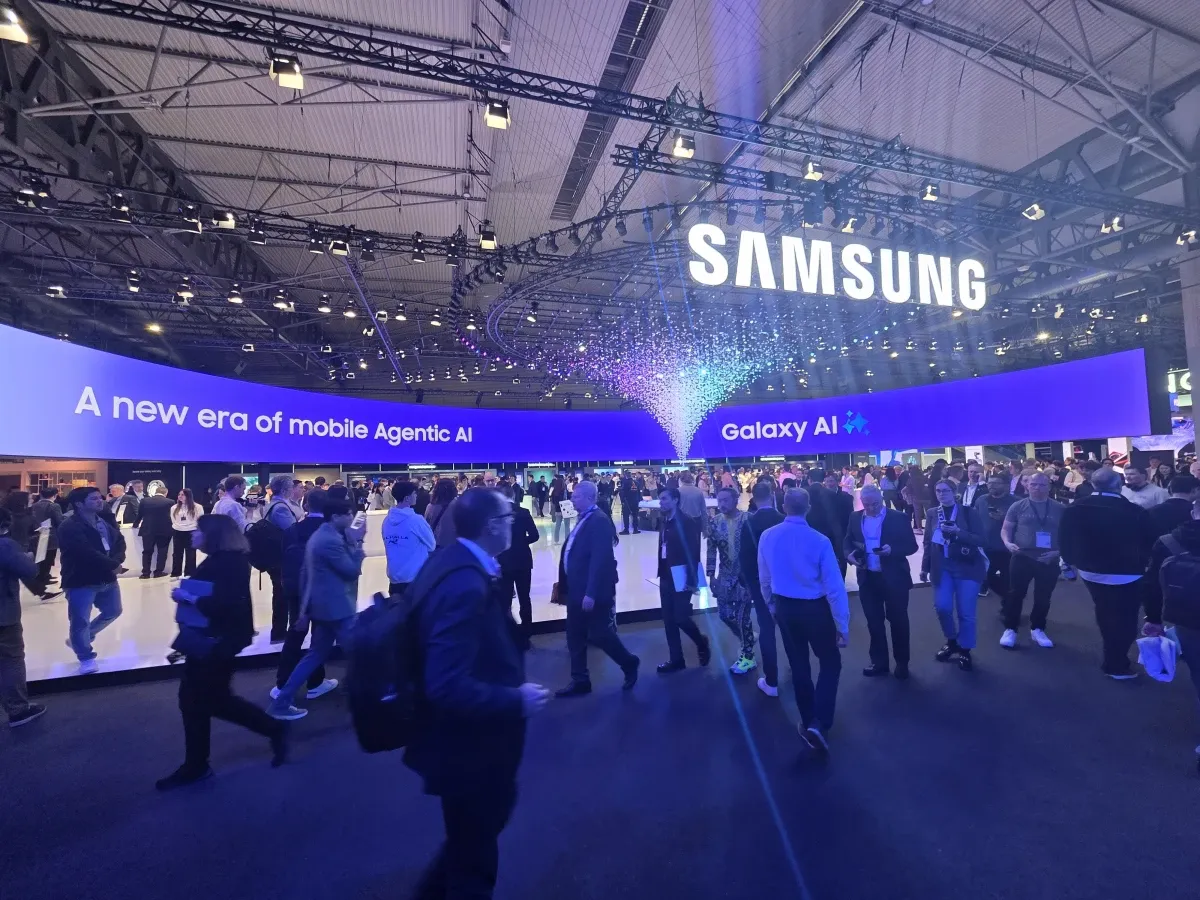
Samsung’s semiconductor business was behind record quarterly revenue and profit in the opening three months.

Telefónica España has signed a collaboration agreement with Sateliot to apply 5G NR (New Radio) technology in the space domain.