Apple Loses Fight Over App Store and iOS in EU Court
Apple lost a battle after the EU General Court upheld the company’s designation as a gatekeeper for its App Store and iOS services under the Digital Markets Act (DMA).

Apple lost a battle after the EU General Court upheld the company’s designation as a gatekeeper for its App Store and iOS services under the Digital Markets Act (DMA). The court backed a European Commission decision made in 2023 to bring the App Store and iOS under the scope of the DMA.
The court stated that the decision confirms the designation of Apple as a gatekeeper in relation to the App Store and iOS, while also rejecting the company’s claims relating to iMessage as inadmissible. As a result, the iPhone-maker remains subject to the DMA obligations attached to its services, including rules designed to increase competition.
Apple challenged the regulator’s original decision to designate its App Stores across iPhones, iPads, Mac computers, TVs and Watches as a single platform service under the DMA, arguing that stores should be assessed separately and that only the iOS App Store met the threshold for the law. However, judges ruled that irrespective of the devices in question, different App Stores share the same purpose, namely to connect app developers with end users in order to facilitate the distribution of software applications.
Apple also sought to overturn the designation of iOS as a gatekeeper service, which would require it to open up its operating system to rival services. In addition, the tech giant challenged the classification of iMessage as a number-independent interpersonal communications service (NIICS), arguing the label could bring the service under the scope of DMA rules. However, the court said the classification does not, by itself, produce binding legal effects, noting that none of the obligations laid down by the DMA apply to iMessage, which escaped designation as a gatekeeper service in 2024.
Apple has hit back at the decision. A spokesperson said that the DMA’s mandate goes beyond what is lawful and proportionate, threatening to erode decades of privacy and security protections they have built, and is leaving users vulnerable to new risks. “We will continue advocating for the innovation and privacy our European customers deserve,” the company added. It can still appeal the judgment to the EU Court of Justice, the bloc’s highest court, within two months and ten days.
Apple lost a battle after the EU General Court upheld the company’s designation as a gatekeeper for its App Store and iOS services under the Digital Markets Act (DMA).
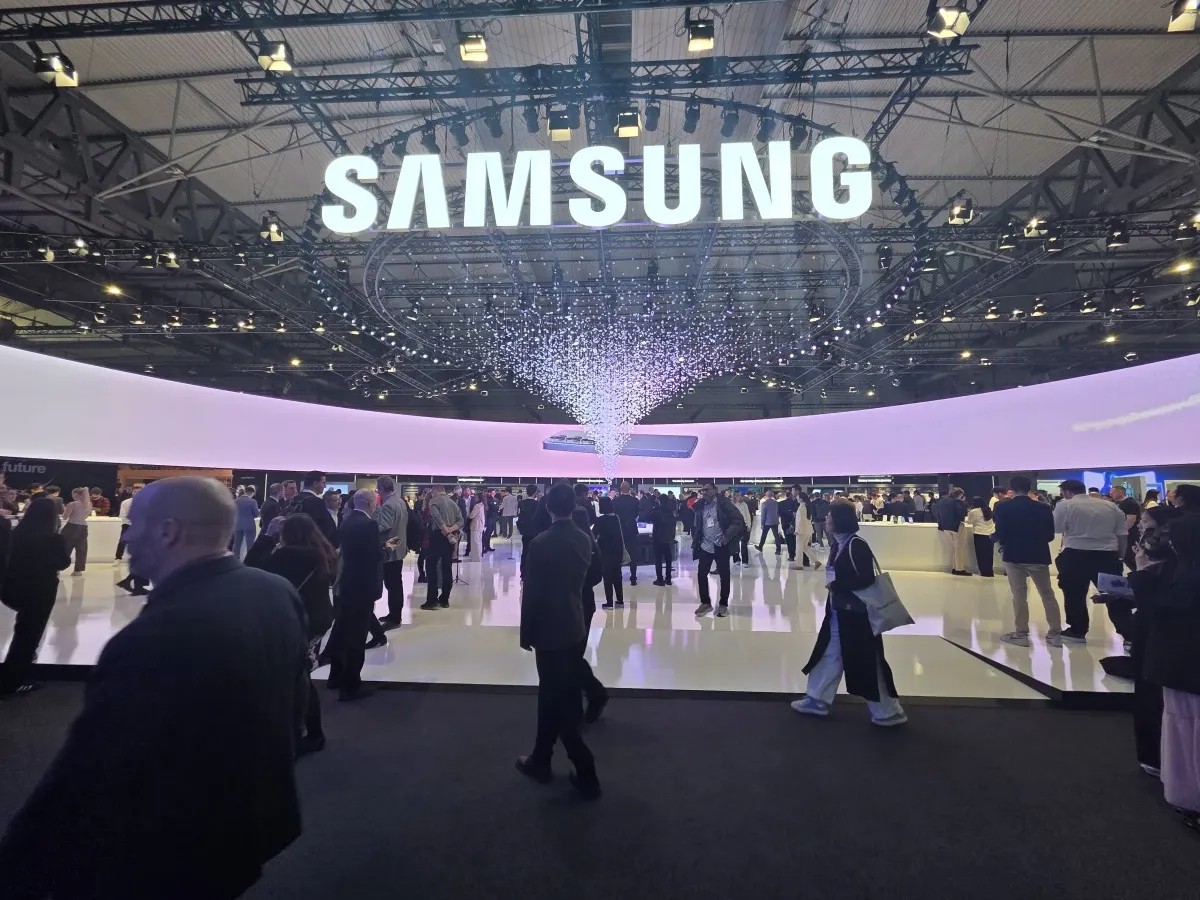
Ahead of its quarterly financial report, Samsung expects record Q2 operating profit and revenue of more than KRW171 trillion ($113 billion).

The European Commission has presented an Action Plan for a structured response to address the risks and harness the opportunities of advanced AI models for cybersecurity.