Orqa and RRS Launch $150 CAD Million Partnership
Croatian drone specialist Orqa has signed an exclusive partnership agreement with Canadian company Remote Robotic Systems (RRS).

Amazon Web Services announced the launch of the AWS Israel (Tel Aviv) Region. Developers, startups, entrepreneurs, and enterprises, as well as government, education, and nonprofit organizations, have an even greater choice for running their applications and serving end users from data centers located in Israel. AWS also released an economic impact study highlighting that the company is planning to invest an estimated $7.2 billion in Israel through 2037 via the new region.
“The launch of the AWS Region in Israel provides customers with the ability to build the most advanced cloud technology-based applications and achieve the highest levels of security, availability, and resilience,“ said Prasad Kalyanaraman, vice president of Infrastructure Services at AWS. “Israel’s strategy to promote technology innovation, along with its abundance of talent, has created a thriving global hub for entrepreneurs, e-governments, and multinational businesses. Cloud technology is at the heart of any digital transformation program, and AWS is proud to support Israel’s efforts to enhance citizen services for many years to come.“
In 2021, the government of Israel announced its selection of AWS as its primary cloud provider as part of the Nimbus contract for government ministries and subsidiaries. The Nimbus framework provides cloud services to Israeli government ministries—including local municipalities, government-owned companies, and public sector organizations—to drive innovation and enable new digital services for the citizens of Israel.

Croatian drone specialist Orqa has signed an exclusive partnership agreement with Canadian company Remote Robotic Systems (RRS).

Romanian operator group Digi Communications plans to float its Spanish business to fund network expansion while retaining control of the subsidiary.
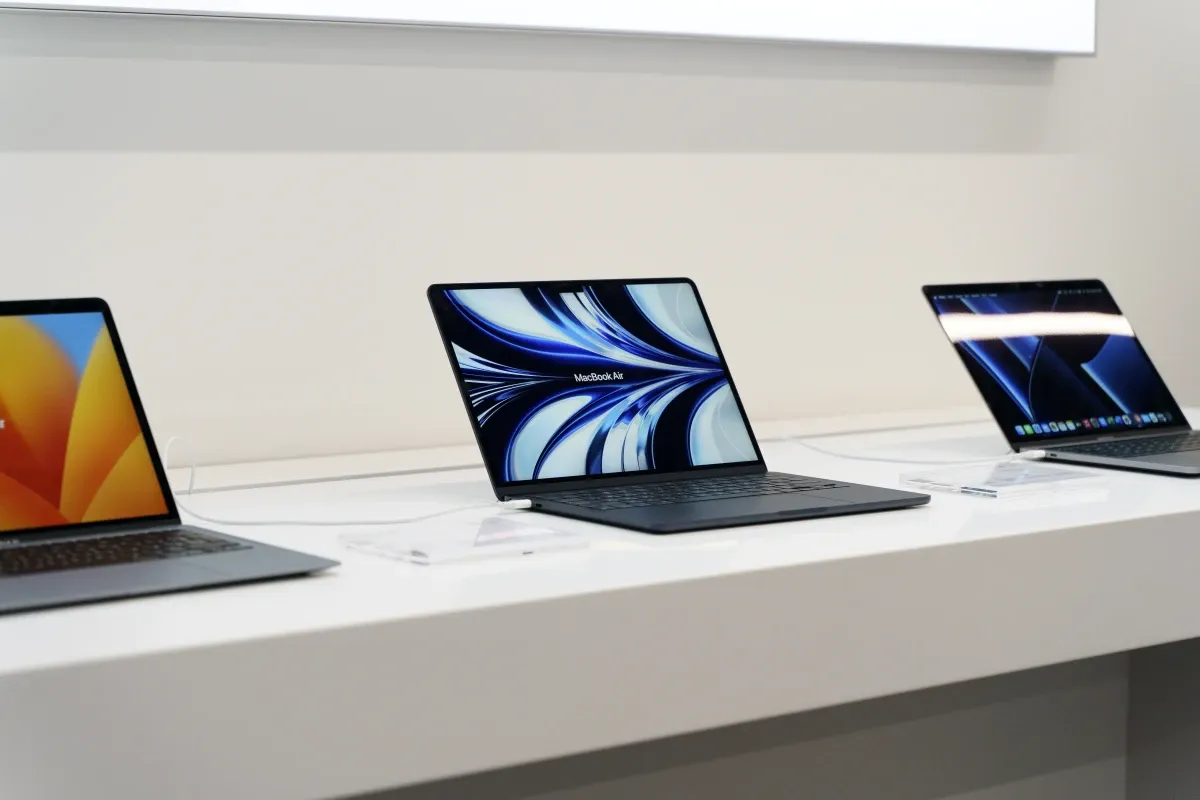
Apple announced a 20% price hike on its MacBook and iPad lines, but it stopped short of any increases for the iPhone.