OpenAI Canceled Microsoft Sale Exclusivity
OpenAI revised an agreement with Microsoft, which gave the software giant exclusive rights to sell the former’s AI models.

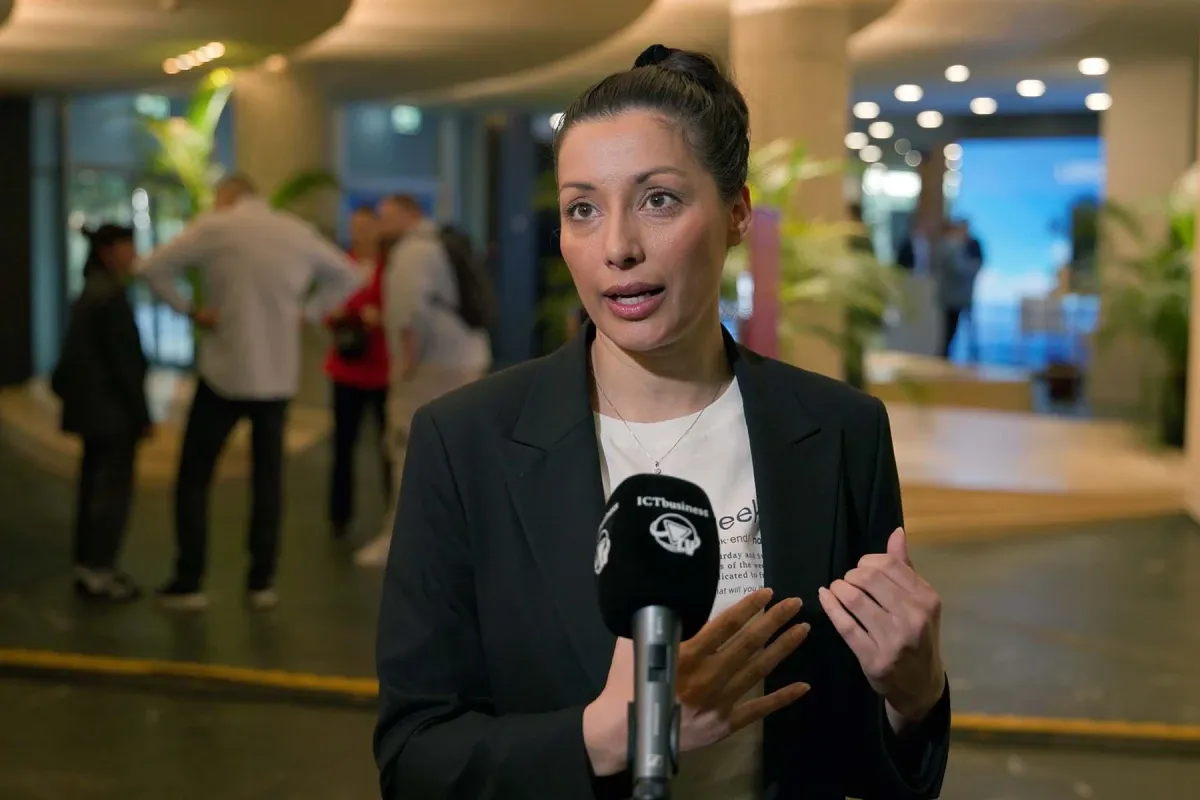
At a time when productivity is often measured by speed, constant availability, and an endless flow of meetings, Danish scientist, author, and longevity educator Dr. Susanna Søberg argues that modern living no longer creates occasional pressure for many people, but a persistent state of strain. Speaking at the Future Tense conference, she focused on how the “modern lifestyle” creates stress that is “manifesting in the body”, while also insisting that recovery does not have to begin with complicated protocols. Instead, she points to “simple tools” such as cold and heat exposure.
Søberg draws a sharp line between two different kinds of stress. As she puts it, “there’s something called good stress and something called bad stress”, and the problem in contemporary society is that bad stress accumulates day after day while the body loses the ability to reverse it effectively. People move constantly from one obligation to another, she says, but not in a way that healthily activates the body. The burden largely sits in the mind, and the result is an elevated heart rate, higher blood pressure, and an ongoing sense of tension. That is why, in her view, controlled exposure to healthy stressors matters, because “healthy stress can actually reverse the bad stress”.
The core of her work is the body’s hormetic response. When exposed to cold or heat, Søberg says, cells activate an adaptive mechanism that supports repair and resilience. In her words, this process “repairs the enzymes, repairs the proteins” and helps the body prepare for the next challenge. That is why she argues that “adaptation to stress is widening your window for stress”. The goal, then, is not to remove every stressor from daily life, but to increase the body’s and mind’s capacity to handle pressure without tipping into chronic exhaustion. In that framework, longevity is not only about living longer, but about functioning better.
What makes her message especially relevant is the way she addresses business audiences directly. At Future Tense, she noted, the room is filled with people operating at a high level, and “high performers have a high stress level” because they live under the pressure of deadlines, decisions, and mental overload. Those are precisely the people who need tools that can restore clarity quickly. Søberg points to cold exposure as one such method, saying “a cold plunge could do" a powerful reset for the body. In contrast, “a cold immersion into water” triggers the release of dopamine and noradrenaline, leaving both mind and body clearer. In her framing, this is not a wellness fad, but a practical performance tool.
A final part of her argument concerns reach and influence. Søberg believes it matters that these ideas are presented at conferences attended by executives, athletes, and decision-makers, because when they show that cold and heat help them “reverse my stress”, “set my balance in my mind”, and “set my balance in my body”, the message travels far beyond a niche health audience. That is the broader significance of her appearance: in an era of digital overload, resilience is no longer just a health issue, but a factor in better work, sharper decisions, and the long-term sustainability of modern life.

OpenAI revised an agreement with Microsoft, which gave the software giant exclusive rights to sell the former’s AI models.
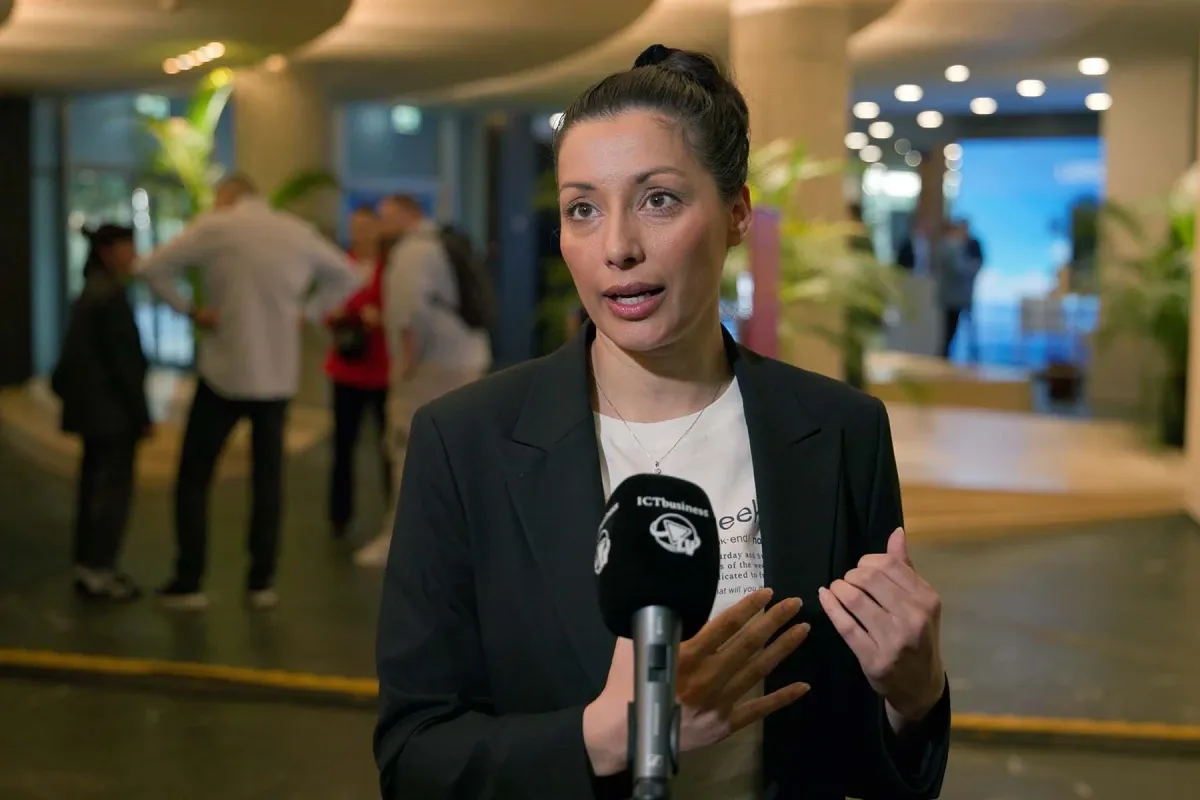
At a time when productivity is often measured by speed, constant availability, and an endless flow of meetings, Danish scientist, author, and longevity educator Dr. Susanna Søberg argues that modern living no longer creates occasional pressure for many people, but a persistent state of strain.
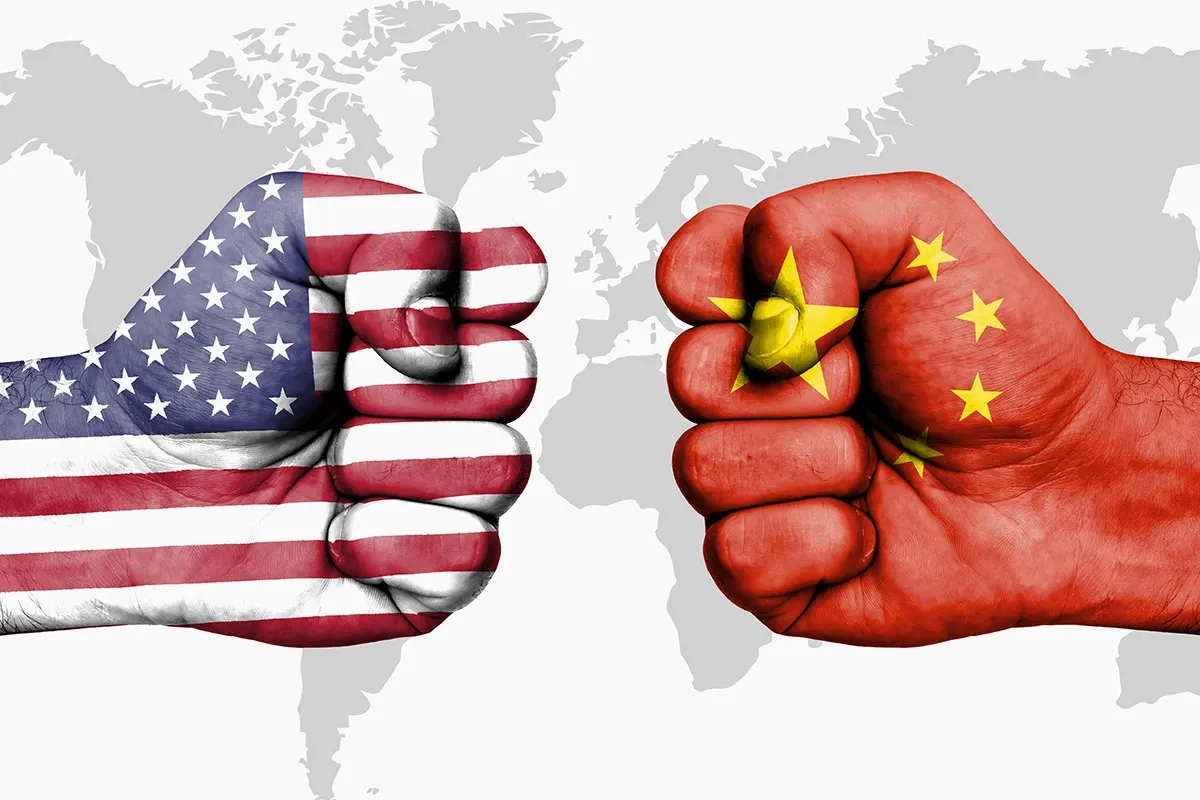
The Chinese National Development and Reform Commission told Meta Platforms to cancel its $2 billion acquisition of agentic AI specialist Manus.