
EU Council Backs Digital Euro
The European Council agreed to enable the introduction of a digital euro by better clarifying the legal tender status of euro cash.

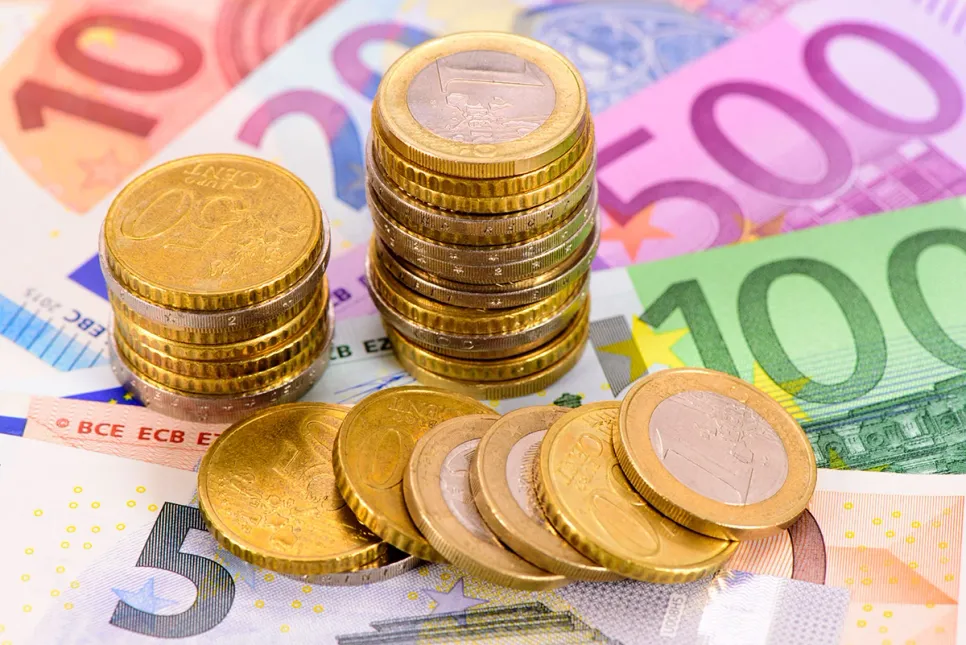
The European Council agreed to enable the introduction of a digital euro by better clarifying the legal tender status of euro cash. In turn, the body said, these initiatives will help improve the EU’s strategic autonomy, economic security, and resilience. The proposals relate to two regulations that set out the legal framework for the potential issuance of a digital euro, as well as a regulation to safeguard the role of cash in the EU by ensuring its widespread acceptance and availability.
The digital euro would complement cash and be available to the general public and businesses for making payments anytime and anywhere in the euro area. As a truly public facility directly backed by the European Central Bank (ECB), it would help preserve central bank money as the main anchor for a well-functioning payments system. The Council would effectively ban non-acceptance of cash by retailers or service providers with a few exceptions, notably for payments for goods or services purchased at a distance, including online, and unmanned points of sale. Businesses may still, however, indicate a preference for card or digital forms of payment.
Under the proposal, the digital euro would be available online or offline and therefore usable even without an internet connection. It would allow for payments and money transfers with a high degree of privacy, and exist alongside national and international private means of payment, such as cards or applications run by privately-owned providers. Once the European Parliament and Council adopt the proposal, the ECB would decide whether to issue the digital euro. The ECB has recently indicated that the digital euro could be up and running by 2029.
The Council has also clarified a number of important elements regarding the design of the digital euro. To avoid the digital euro being used as a store of value and any impact on financial stability, the text provides for limits on the total amount of digital euros that can be held on online digital accounts and in digital wallets at any one time. The limits will be set by the ECB, but must respect an overall ceiling agreed by the Council, which will be reviewed at least every two years.
Payment service providers may not charge consumers for certain mandatory services, such as opening and closing accounts, carrying out digital euro payment transactions from their account or wallet, or funding and defunding their digital euro accounts or wallets with money from their other deposit accounts in the same payment service provider. However, certain added-value services may be subject to fees.
The proposal text also lays out a framework to ensure that providers of digital euro interfaces and services receive the necessary access to mobile device producers’ hardware and software to ensure that fair access can be granted. Additionally, the text lays out the framework for how PSPs shall be compensated. During a transitional period of at least five years, interchange and merchant service charges will be capped at a level based on fees for comparable means of payment. After the transitional period, fee caps will be set based on the actual costs associated with the digital euro.

The European Council agreed to enable the introduction of a digital euro by better clarifying the legal tender status of euro cash.

This year, for the 30th time, Siemens is awarding the title “Inventor of the Year” to outstanding researchers working in Germany, the United States, China, and Switzerland.

President Donald Trump's administration warned that the US could impose fees or restrictions on European service providers.


