Google Employees Sign Letter Against Military AI Use
More than 560 Google employees signed an open letter to CEO Sundar Pichai, urging him to reject classified military contracts for the company’s AI technology.

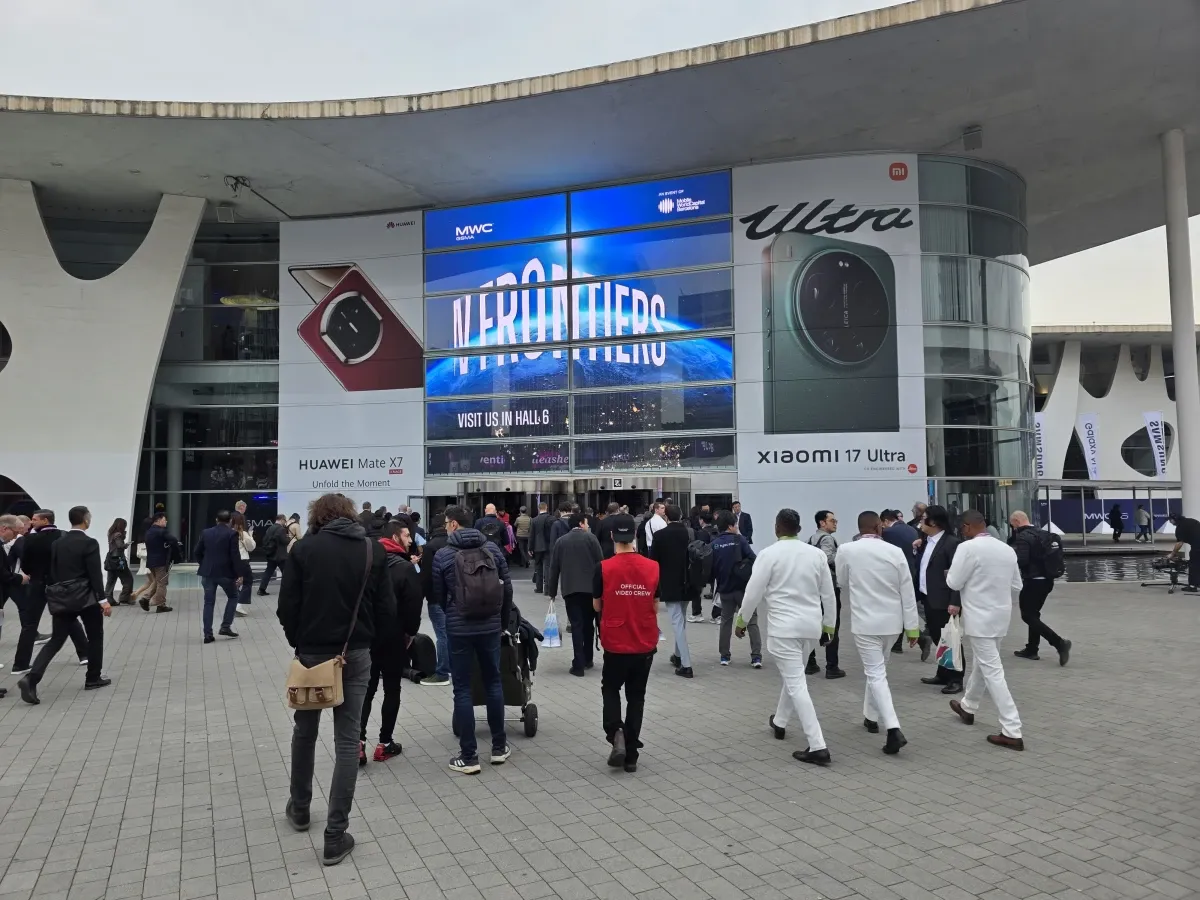
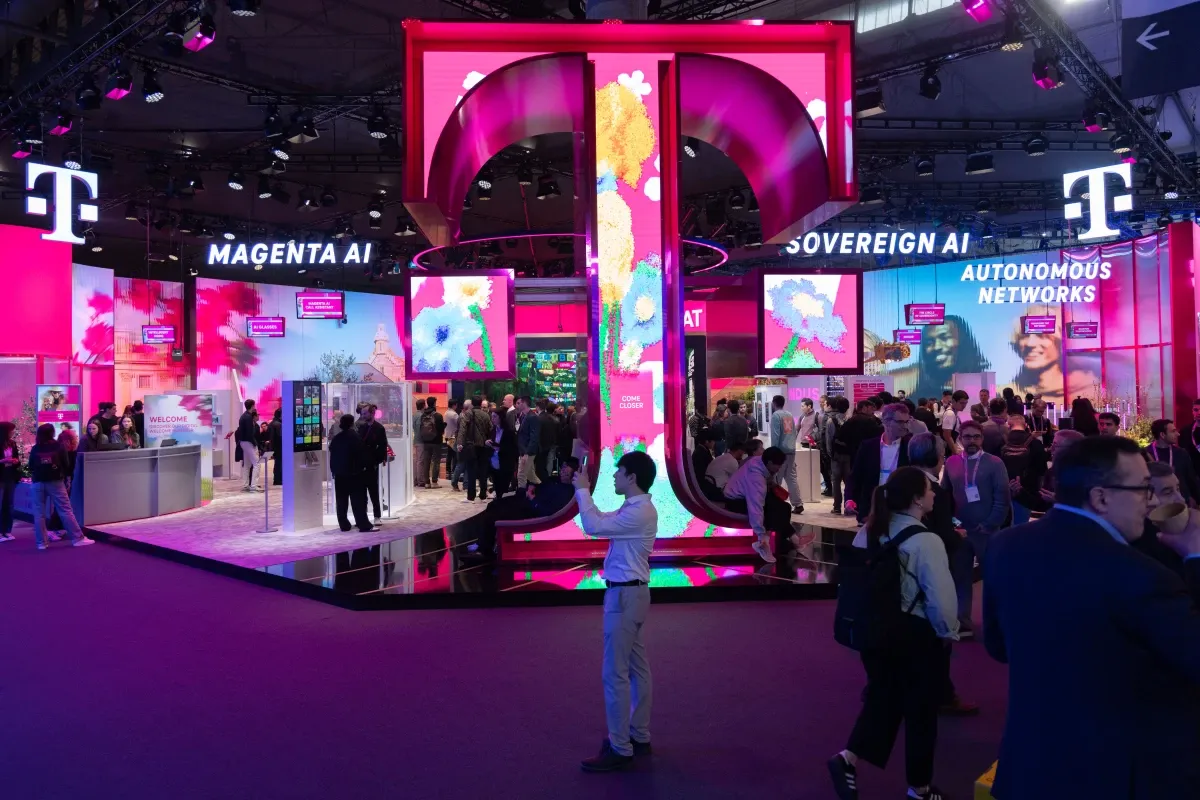
MWC 2026 concluded its jubilee twentieth edition in Barcelona with nearly 105,000 visitors from 207 countries and territories, confirming that the event remains the central gathering point of the global connectivity and digital technology industry.
Despite global travel disruptions, GSMA reports that during the week, the event brought together exhibitors, industry leaders, startups, and policymakers under one roof, with a strong focus on Artificial Intelligence, innovation, and debates shaping the industry's direction. However, the number of visitors was about 20 percent lower than expected due to difficulties at major aviation hubs, including Dubai and Doha.
John Hoffman, CEO of GSMA Ltd., in his closing address, emphasized that “twenty years in Barcelona and MWC still surprises and exceeds expectations,” adding that GSMA and the hosts had shared from the very beginning the vision of building an event “that will matter to the world.” He particularly highlighted Barcelona's role as a city with the infrastructure, ecosystem, and readiness to grow together with the event, and thanked partners in Barcelona, Catalonia, and Spain, as well as exhibitors, speakers, visitors, staff, and the citizens of Barcelona.
In numbers, MWC26 attracted around 2,900 exhibitors, sponsors, and partners, and the conference programme featured more than 1,700 speakers and industry experts. Among them, 40 percent were speakers in C-level positions, while 35 percent were women, which GSMA highlights as an indicator of broader inclusion of diverse leadership profiles in industry discussions. The audience structure further shows MWC’s influence expanding beyond the traditional mobile ecosystem: 58 percent of visitors came from industries connected to the mobile sector, 17 percent were from the C-suite, and 45 percent were at the director level or higher. In total, 27 percent of visitors were women.
A strong signal of international visibility is also reflected in the figure of nearly 2,600 journalists and industry analysts from around the world, alongside more than 1,300,000 views of keynote sessions and live broadcasts via official channels, including the MWC Barcelona website, social media platforms, the MWC application, Mobile World Live, and media partner platforms. In the political and regulatory segment, the GSMA Ministerial Programme gathered 188 delegations, 45 intergovernmental organizations, 54 ministers, and 118 heads of regulatory authorities, once again highlighting MWC’s role as a place where technology and regulation meet in real time.
In terms of content, MWC26 was organized around six official thematic tracks, ranging from intelligent infrastructure and AI-driven connectivity to the application of AI in enterprises, discussions within the AI Nexus framework, the Tech4All concept, and the Game Changers themes that seek the next breakthrough. Across halls and stages, the focus was on the practical application of Artificial Intelligence, network transformation, and the commercialization of 5 G's potential, as well as on security issues, particularly the growing threat of fraud and cybercrime.
In the closing message, Vivek Badrinath, who attended MWC Barcelona 2026 as his first MWC in the role of Director General of GSMA, summarized the atmosphere by saying that the industry is “more energetic and purposeful than ever,” with the message that MWC shows what happens “when the brightest minds in the world come together around really hard problems,” from “open and inclusive Artificial Intelligence” and the full potential of 5G to protecting the world from the growing threats of fraud and cybercrime. He added that he leaves Barcelona “inspired by what he has seen” and even more convinced of the connectivity industry's role in building a safer, better-connected world.
Alongside the traditional exhibition and conference programme, GSMA also highlighted content that pushed the format of the event forward, including new programme segments such as Airport of the Future and New Frontiers, as well as robotics demonstrations “of all shapes and sizes,” which fit into the dominant theme of convergence between AI, automation, and physical systems. The startup segment 4YFN, located next to MWC in Hall 8, gathered more than 1,000 exhibitors from leading startups and corporations, more than 300 speakers, and a large number of investors whose combined funds, according to GSMA, reach 70 billion dollars. At the same time, the Talent Arena, organized by Mobile World Capital Barcelona and held at Fira Montjuïc, attracted more than 25,000 visitors, further underscoring digital skills and talent availability as key prerequisites for ecosystem development.
MWC Barcelona traditionally marks the beginning of GSMA’s global event calendar. After Barcelona, MWC Kigali returns from June 16 to 18, MWC Shanghai follows from June 24 to 26, and MWC Doha is planned for November 8 to 11. In addition, GSMA’s regional M360 series continues with editions in Mexico City on May 13 and 14 and the debut of M360 Eurasia in Samarkand on May 20 and 21, while M360 ASEAN returns to Kuala Lumpur on September 9 and 10.
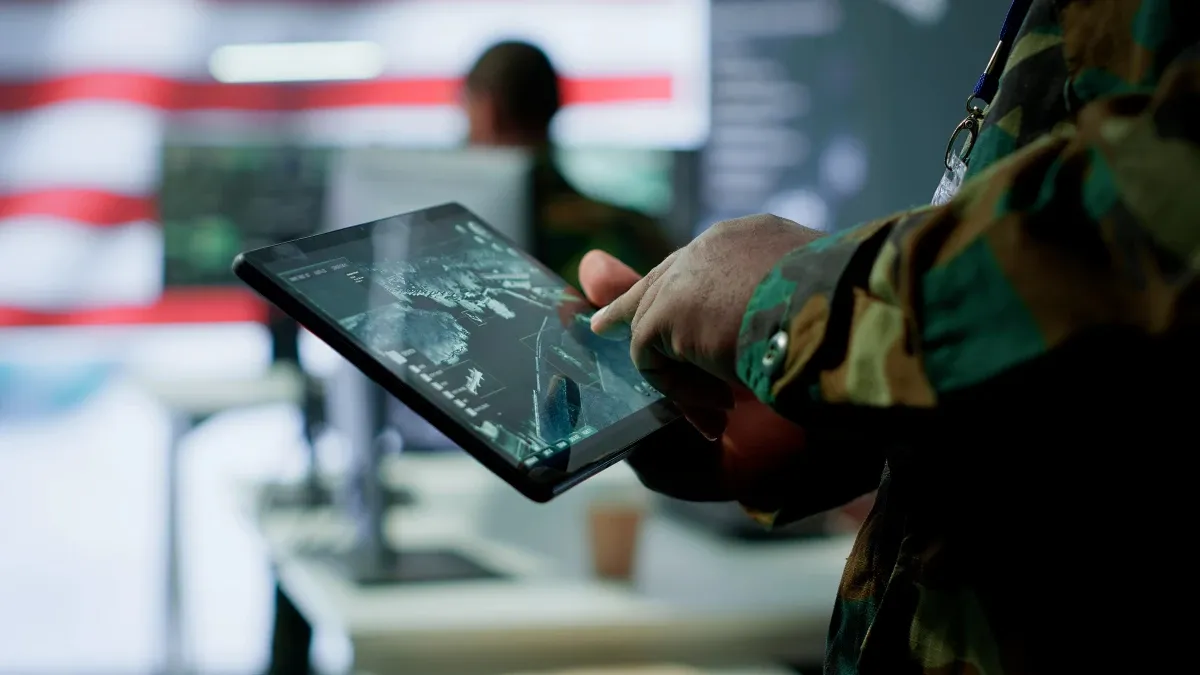
More than 560 Google employees signed an open letter to CEO Sundar Pichai, urging him to reject classified military contracts for the company’s AI technology.
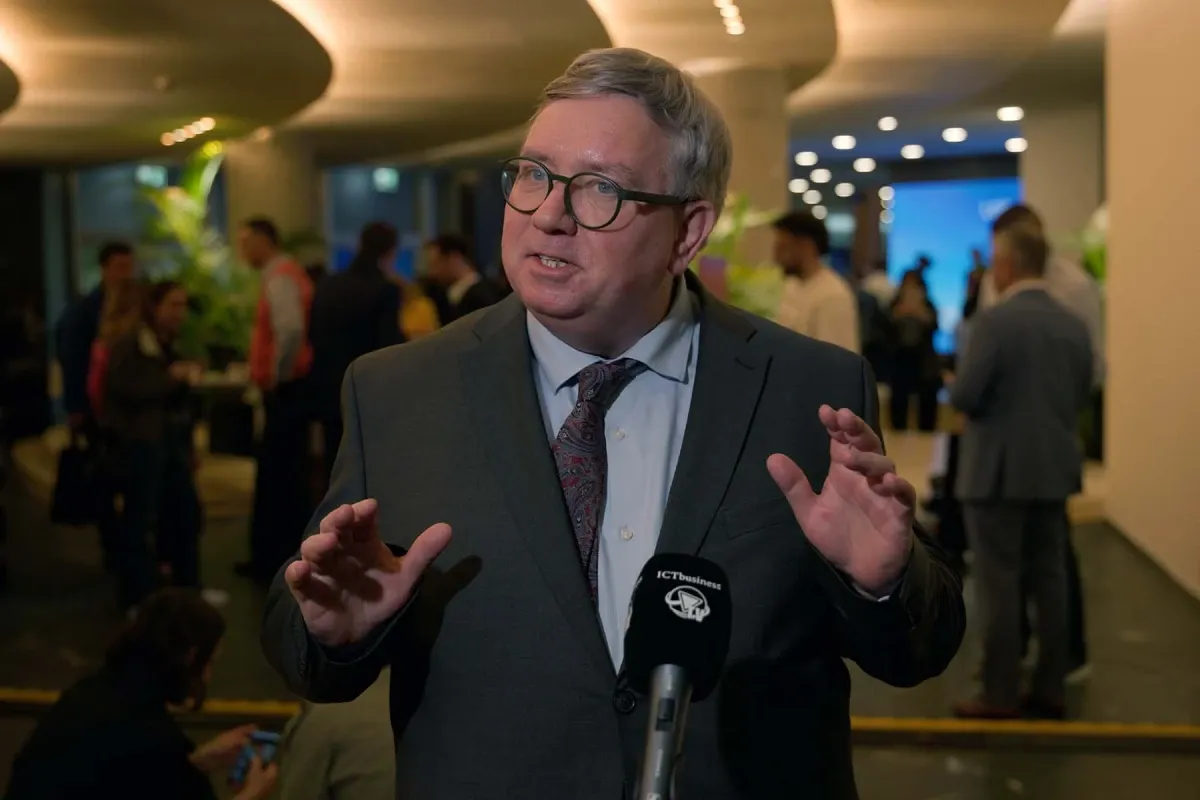
Global trade can no longer be understood through the old formula in which the world simply became more integrated while cost remained the dominant organising principle.
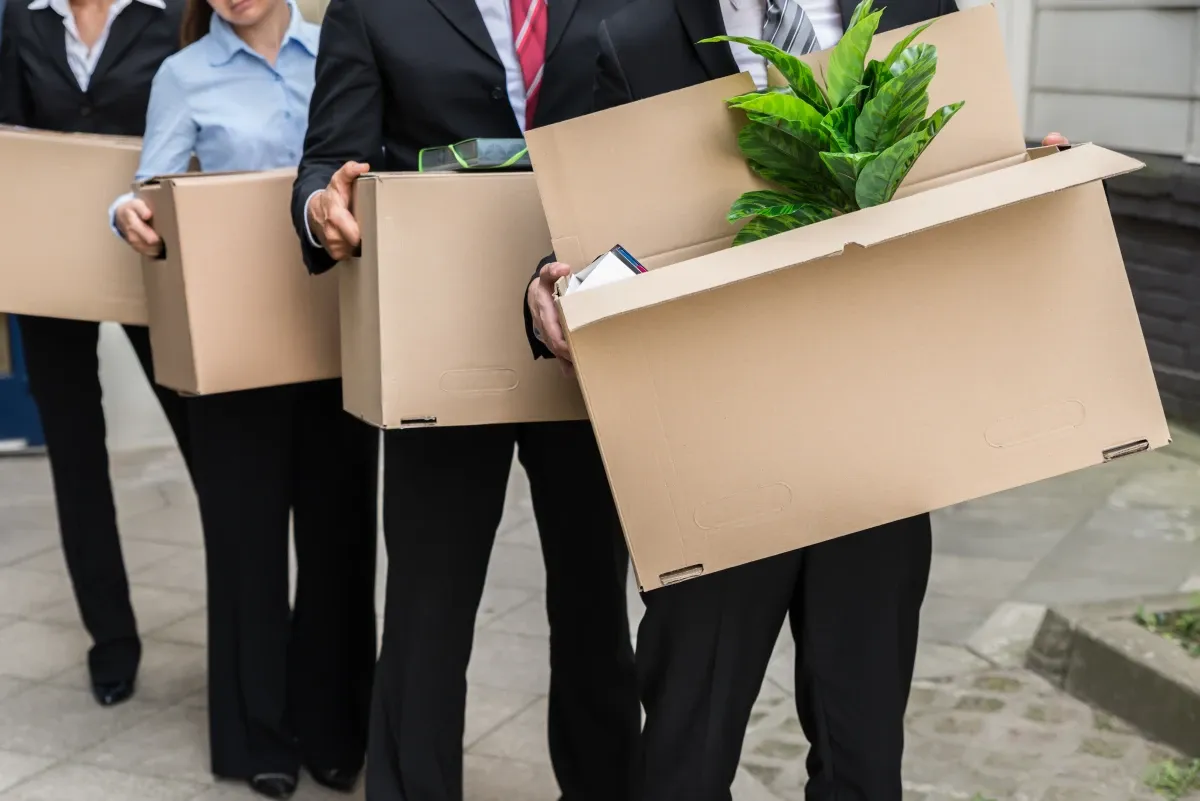
IT giants, Meta Platforms and Microsoft, have both decided to cut their workforces.