Globalisation Is Not Over, but is Rapidly Rewired by Geopolitics
Global trade can no longer be understood through the old formula in which the world simply became more integrated while cost remained the dominant organising principle.

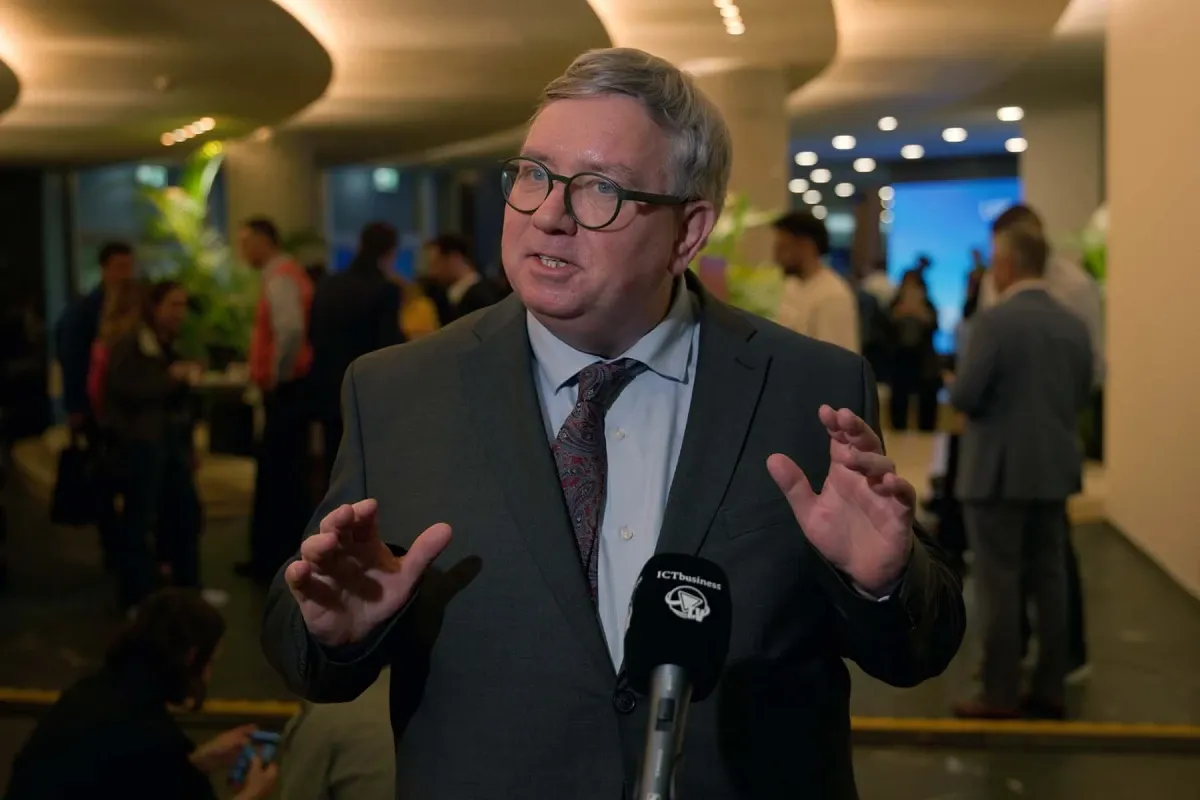
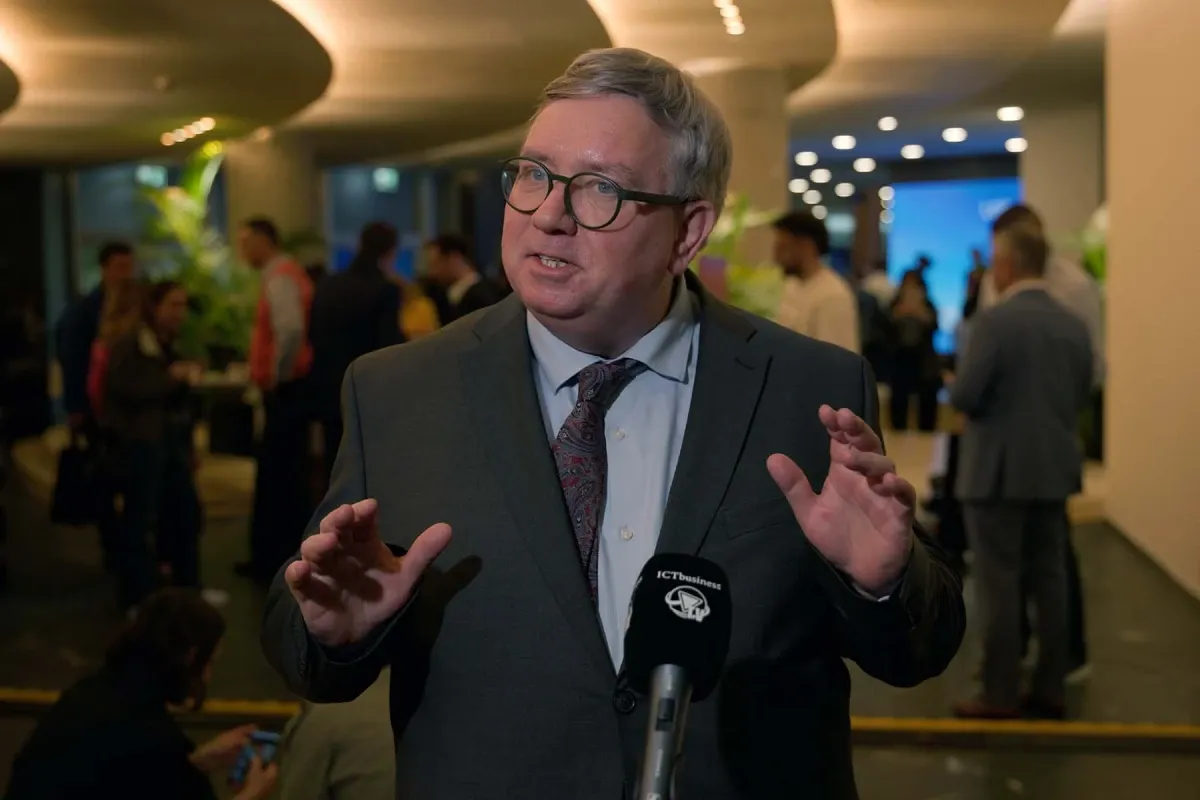
Global trade can no longer be understood through the old formula in which the world simply became more integrated while cost remained the dominant organising principle. That is the argument made by Prof. Simon J. Evenett, trade and geopolitics expert, who says cross-border business has entered a period of far greater disruption and far more complex differentiation. As he puts it, “global goods trade is definitely facing much more disruption”, driven increasingly by geopolitics, conflicts, and broader security risks. At the same time, he stresses that not every part of international commerce is under the same pressure, because “other areas of cross-border commerce” are still growing rapidly, especially digital delivery of services. That is why, he argues, we now need to “differentiate between the different types of cross-border business”.
Evenett sees this as part of a deeper shift in the role of governments. Trade and industrial policy used to be driven mainly by competitiveness, but increasingly the key forces are “national security concerns”, “geopolitical rivalry”, and shortages. He captures this transition in a single phrase: “globalization is being rewired”. In his view, it is wrong to say that globalisation is over, but it is accurate to say that “the old form of globalisation is receding quickly”. The model of an even more integrated global marketplace is giving way to a more uneven system shaped around major economic centres such as North America, Western Europe, China, and India.
Still, Evenett rejects the simplistic idea that the world is now defined only by a handful of major blocs. Beyond those centres, he notes, there remains “a hell of a lot of the world” that also has “agency and choice” in deciding how to engage with the evolving global order. That is an important corrective to the deglobalisation narrative. The world is not closing uniformly; rather, influence, leverage, and patterns of connection are being redistributed. For companies, that means market size and labour cost are no longer enough. Political stability, security of supply, regulatory direction, and long-term resilience now matter just as much.
That change is especially visible in supply chains. Evenett argues that the “sole emphasis on lowest possible cost” has given way to a stronger emphasis on “continuity of supply”. Cost still matters, but it is no longer the only metric. Consumers, buyers, and governments are all forcing companies to rethink their assumptions, which means “risks are being managed differently along supply chains”. In that environment, resilience is no longer just a procurement issue. It becomes a strategic question that directly shapes decisions about suppliers, regions, and exposure to particular markets.
When it comes to Europe, Evenett is candid without being pessimistic. He openly says that “the situation in Europe at the moment could be better” and acknowledges that both China and the United States hold different forms of leverage over Europe. Yet he also points out that Europe still has “first-rate science”, “first-rate companies” and highly educated people whose capabilities can be mobilised. That is why he says, “I’m not giving up on Europe.” In his assessment, Europe is learning quickly, governments and companies “are getting their act together”, and within a decade the picture could look very different in terms of defending strategic autonomy. That, ultimately, is his central point: globalisation has not disappeared, but its next phase will demand a new mix of resilience, geopolitical awareness, and strategic adaptation.
Global trade can no longer be understood through the old formula in which the world simply became more integrated while cost remained the dominant organising principle.

IT giants, Meta Platforms and Microsoft, have both decided to cut their workforces.
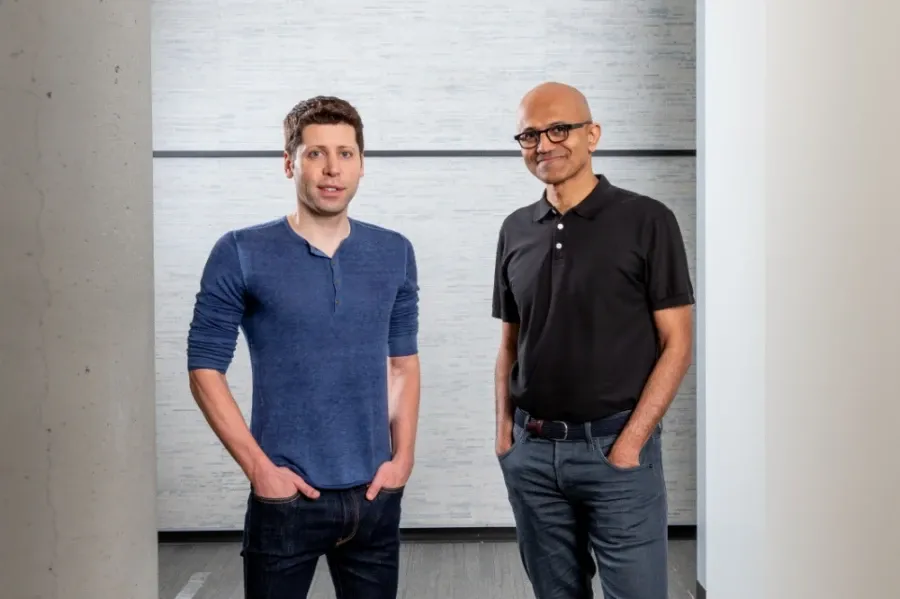
OpenAI revised an agreement with Microsoft, which gave the software giant exclusive rights to sell the former’s AI models.