


Business RCS Messages to Hit 485 Billion by 2030
The volume of business Rich Communication Services (RCS) messages is projected to surpass 485 billion globally by 2030, increasing from 125 billion in 2026, according to a study by Juniper Research.
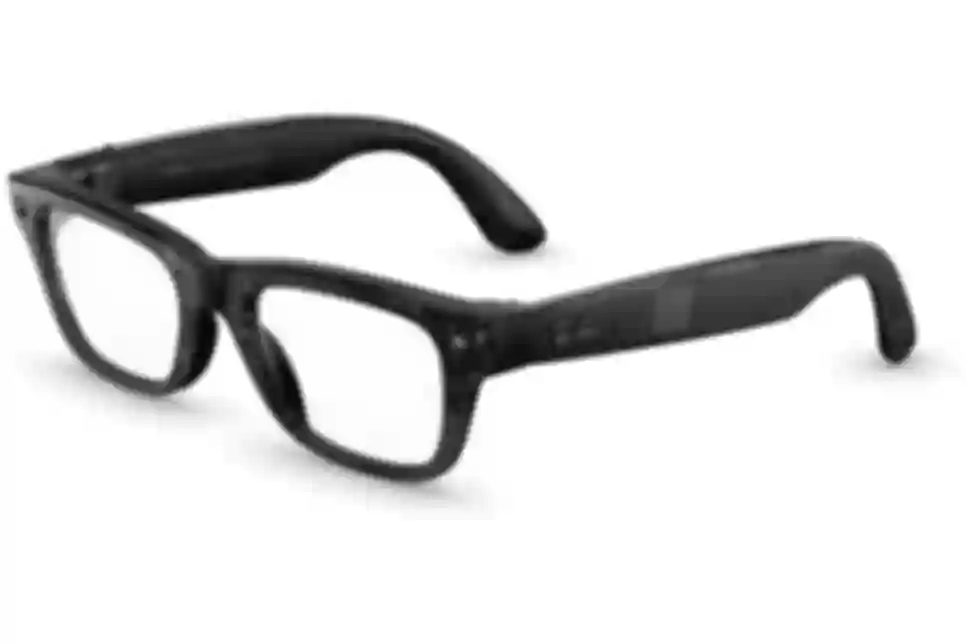
Global extended reality (XR) device shipments grew 44.4% year-over-year in 2025, driven primarily by the rapid adoption of smart glasses, according to IDC. As lightweight, AI-enabled eyewear gained traction, shipments of VR and MR headsets declined sharply, signaling a structural shift in how users engage with XR.
The expansion in the availability of smart glasses—led by products such as Ray-Ban Meta AI glasses and competing devices—was the primary driver of XR market growth. At the same time, demand for bulkier VR and MR headsets narrowed, increasingly concentrated in gaming-centric use cases.
Meta maintained a dominant position in the market in 2025, capturing 72.2% market share. However, shipments of Meta’s Quest headset lineup declined 42.3% year-over-year, impacted by supply chain challenges and softening demand outside core gaming audiences. Xiaomi ranked second with 4.2% share, driven largely by its domestic market. XREAL captured 2.3% share, ahead of RayNeo, ByteDance, and Viture.
IDC expects 2026 to be a transition year, as the market continues shifting toward glasses-based form factors. Smart glasses without displays will drive near-term growth, while display-enabled glasses will gain momentum by 2027. Competition will intensify across both hardware manufacturers and AI platform providers.
“New products from Google’s Android XR ecosystem, Snap, and a growing number of Chinese vendors will accelerate adoption by expanding smart glasses availability and familiarizing consumers with AI-first experiences,” said Jitesh Ubrani, research manager at IDC Worldwide Mobile Device Trackers.
Looking ahead to 2026, IDC expects a tumultuous transition year as the XR market continues shifting from traditional headsets toward glasses. Glasses without displays already represent the majority of XR shipments, but by 2027, IDC expects glasses with displays to gain momentum and surpass VR and MR headsets in overall volume.

The volume of business Rich Communication Services (RCS) messages is projected to surpass 485 billion globally by 2030, increasing from 125 billion in 2026, according to a study by Juniper Research.

The integration of artificial intelligence and other sophisticated technologies throughout the automotive value chain is projected to increase significantly over the next five years, according to a report from PwC.

Global expenditure on AI-optimized infrastructure as a service (IaaS) is projected to increase by 96% through 2026, reaching $42 billion, according to Gartner.


