The AI Revolution Will Come from How Work is Done
Artificial intelligence in business can no longer be viewed merely as another technology tool.

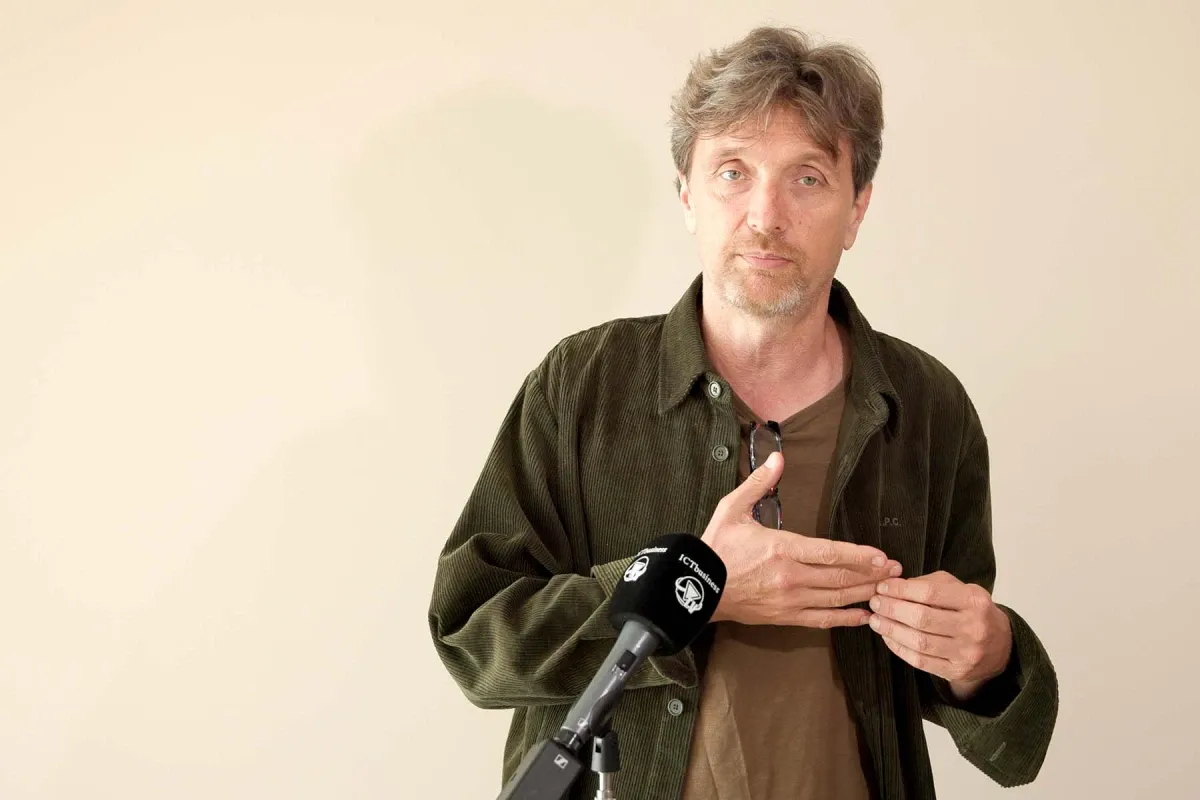
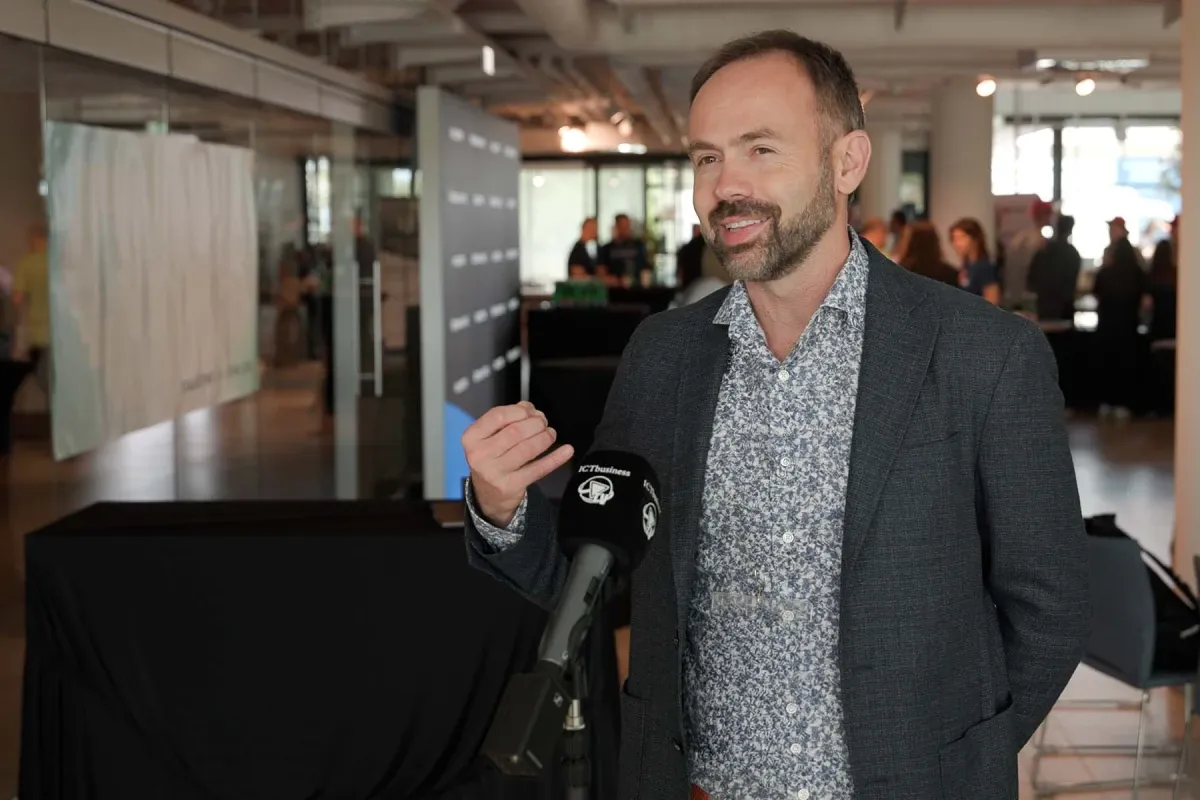
Artificial intelligence in business can no longer be viewed merely as another technology tool. It is increasingly becoming a shift that affects how organisations structure work, develop software, manage projects, and create business value. Krešimir Mudrovčić, one of the co-founders of CROZ, says that the main message after the company’s 11th annual conference is the need to move beyond fascination with tools and focus on their real-world adoption.
In his view, discussions about AI too often remain trapped in technical comparisons, model capabilities, and the question of which tool is more powerful. “People today like to talk about tools, about which one is stronger and what can be done better with each of them, but real life is something else,” Mudrovčić says. The fact that a presentation, text, or code suggestion can be generated in a few clicks does not mean that an organisation has truly changed how it works.
That is why CROZ is emphasizing practical application, or the adoption of AI in real business processes. “Beyond the tools themselves, the first thing is their practical use, and the next step is governance,” he says. After that come the platform, rules, processes, and measurement of business value. In other words, AI is not a technological add-on, but a change that must have a clear business purpose.
Mudrovčić warns that many organisations remain stuck in the early phase of amazement. “People are fascinated that in three clicks you can get an almost perfect presentation, which is nice and can save someone a little time, but that is not the revolution we are all expecting,” he says. Real transformation starts only when an organisation asks what it wants to achieve, how it must change, and which processes need to be redesigned.
He expects the biggest changes to happen in the culture of work. The traditional way of working, he argues, is changing dramatically, and this is not only a matter of technology but also of psychology, habits, and organisational maturity. “Organisational and cultural changes in companies, countries, and all kinds of organisations are becoming extremely important,” Mudrovčić says. AI is therefore becoming a test of a company’s ability to adopt a new operating model, not just another licence or tool.
CROZ, he explains, created an internal manifesto at the end of last year with guidance for software developers on how to work with new AI tools. The first message was deliberately direct. “We told them: do not program by hand anymore,” Mudrovčić says. This does not mean that programmers are disappearing. Their role is changing. Instead of manually writing every part of the code, the focus shifts to understanding the problem, defining specifications, preparing the system, and controlling quality.
In this new model, testing becomes just as important as development. “These systems can already test software themselves, but they will not invent how they should do it,” he says. People must define tests, success criteria, and verification methods. If the tests are set up properly, the system can identify bugs and help remove them, but human responsibility remains in designing the process and understanding the objective.
This transformation, however, is creating anxiety. Mudrovčić says he understands the fear, because certain professions and individuals may face uncomfortable transitions. But in a broader sense, he sees it as part of a historical pattern in which new tools reshape work, create new roles, and force organisations to adapt. “Many people are afraid, and I understand them, but this is part of progress, new tools and platforms that are coming,” he says.
Speaking about CROZ’s business, Mudrovčić acknowledges that 2025 was a lean year for the company, but also describes it as a test of resilience. “Last year was somewhat thinner, and this year is quite good so far,” he says. The company’s focus remains on Germany, but also on projects beyond Europe. CROZ completed a major project in the Philippines last year and is preparing to start another project in Asia. Increasingly, he adds, conversations with clients are focused precisely on the practical application of AI in large organisations.
That, in his view, is becoming one of CROZ’s key opportunities. Large organisations can relatively easily buy powerful tools, but the real challenge begins when they need to apply them in everyday work. “The tools are extremely powerful, especially if you have 200 dollars per employee to pay for them, but applying them in real life requires experience from people who have already gone through it,” Mudrovčić concludes. For CROZ, this means focusing on projects that turn AI from an experiment into measurable business value.
Artificial intelligence in business can no longer be viewed merely as another technology tool.

Arm and SoftBank Group attempted to acquire Cerebras weeks before its highly anticipated initial public offering (IPO).

Honor will officially launch its Robot Phone in the third quarter of this year.