


Ericsson Connects Counter-Drone and Air-Defense Systems over 5G
Ericsson showcased the potential of a 5G solution designed for military use to support rapid data exchange between air defence systems.
Ericsson connected counter-drone and air defence systems using what it terms a tactical 5G network, which ran on an ultra-compact defence-grade core and military-exclusive spectrum.
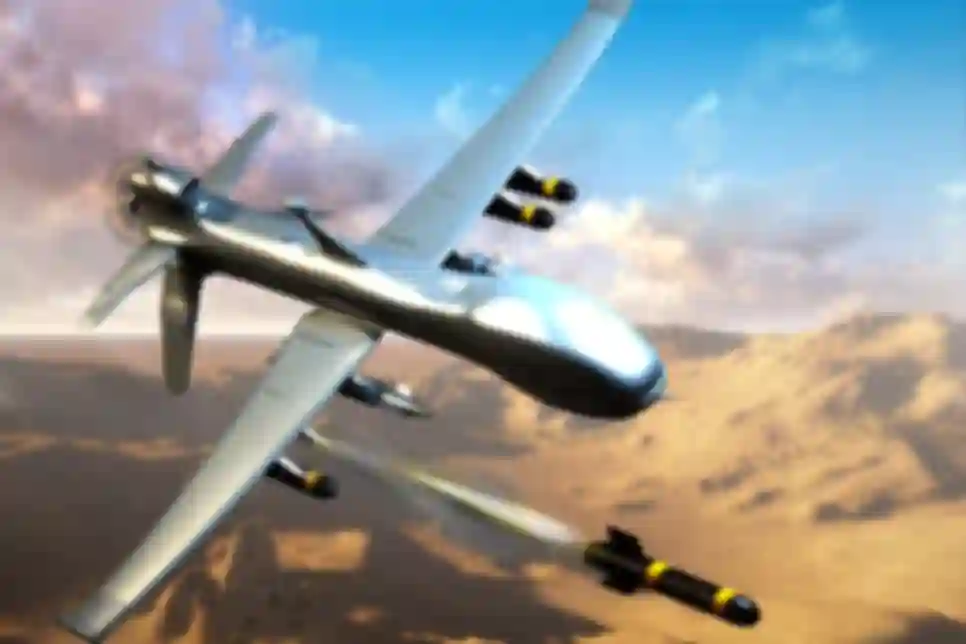
Ericsson showcased the potential of a 5G solution designed for military use to support rapid data exchange between air defence systems. During the Spanish Armed Forces’ Atlas 26 military drill in Huelva, the vendor connected counter-drone and air defence systems using what it terms a tactical 5G network, which ran on an ultra-compact defence-grade core and military-exclusive spectrum.
Tactical 5G kit, it explained, provided armed forces with the ability to deploy mobile connectivity quickly and adapt it to changing conditions. Ericsson noted that the demo showcased how this type of network can support real-time data exchange between sensors, radars, command posts and effectors, providing faster coordination across connected defence systems. It hopes the demonstration provided a practical foundation for wider adoption.
The demonstration used Ericsson Ultra Compact Core, a compact, mobile, defense-grade and rapidly deployable 5G Core. The deployment featured a pre-integrated solution comprising Ericsson 5G Core software, the Ericsson Container-as-a-Service platform and the necessary hardware infrastructure and was operated by the 5G Spanish Cyber Defense Centre of the Joint Cyberspace Command (Mando Conjunto del Ciberespacio). Ericsson equipment installed operated in bands reserved exclusively for military use.
Ericsson Spain country manager Juan Olivera said that the exercise showed how commercial 5G innovation hardened for defence can give armed forces a decisive operational edge. “A sovereign, deployable 5G network puts resilient, high-capacity connectivity exactly where it is needed, with no dependence on fixed infrastructure. By linking sensors to effectors in real time, we help defence forces coordinate their systems more effectively and operate with greater flexibility on the ground.” He noted the technology's ability to operate in complex environments.
Tactical 5G provides armed forces with a mobile connectivity layer that can be rapidly deployed and adapted to changing operational conditions. By reducing reliance on fixed cabling and connecting distributed sensors, command-and-control systems, and effectors, the Atlas 26 demonstration highlights how tactical 5G can give armed forces greater flexibility to deploy, reposition, and connect their systems in the field, providing a practical foundation for its wider adoption across Spain’s and Europe’s future operations.
Ericsson showcased the potential of a 5G solution designed for military use to support rapid data exchange between air defence systems.

Infobip has integrated Hiya’s Caller Reputation and Number Registration tools into its voice services.
OpenAI has implemented more rigorous safety protocols within ChatGPT.


