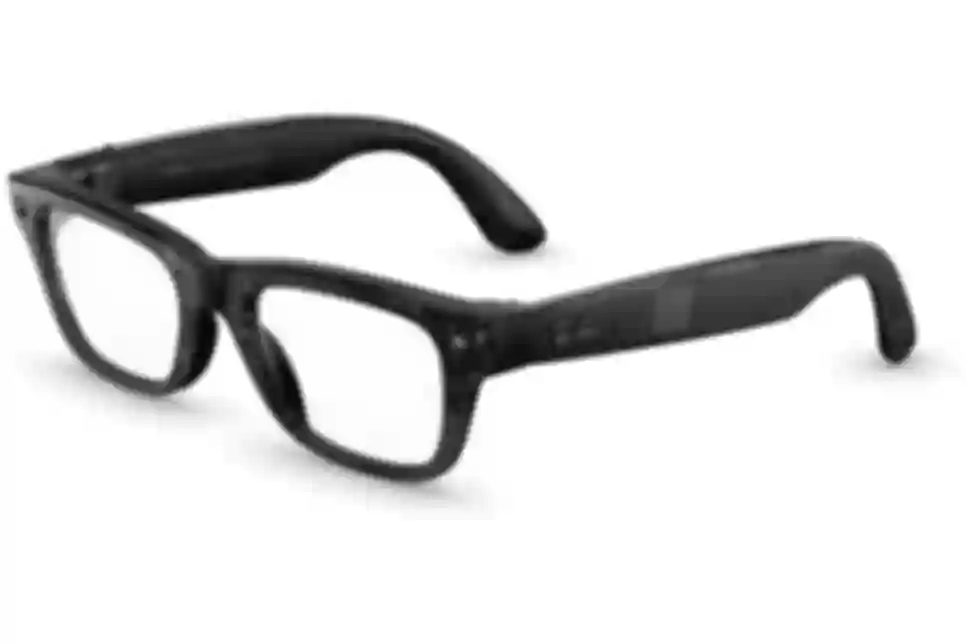
Global shipments of artificial intelligence eyewear, encompassing both display-less and AR-integrated models, escalated by 263% year-over-year in the first half of 2026, according to Counterpoint Research. Lower-priced, lightweight display-less variants continued to command the market, representing 96% of total volume, while AR-integrated models remained comparatively niche due to elevated costs, technological immaturity, and more substantial form factors.
The display-less segment experienced a 258% year-over-year increase and a 22% rise compared to the second half of 2025, driven largely by the ongoing expansion of Meta and EssilorLuxottica. “Three years after the launch of the Ray‑Ban Meta AI Glasses in 2023, the competitive landscape of the global AI glasses market remains largely unchanged. Meta further strengthened its dominance in 1H26, accounting for about 94% of global shipments,” stated Peter Richardson, Research VP at Counterpoint Research.
Meta’s shipment volume grew by 260% year-over-year and 22% sequentially, propelled by new Ray-Ban Meta AI Glasses iterations, the introduction of more affordable models, entry into new markets, and expanded retail initiatives. Aside from Meta, the market remains fragmented despite product launches from Chinese firms such as Alibaba and Huawei. The AR-integrated segment, though small, is expanding rapidly, with shipments increasing 449% year-over-year and 18% sequentially in the first half of 2026. Conversely to the display-less category, Chinese manufacturers like Rokid, Even Realities, Alibaba, and INMO are leading commercialization efforts, positioning China as the leader in this specific sub-sector.
“At this early stage, the competitive landscape is shaped more by product supply than consumer demand. China has established a relatively mature AR glasses ecosystem, spanning micro-display makers, waveguide suppliers – one of the most critical components – to manufacturing partners, audio component suppliers, and other key component providers. Chinese companies also tend to launch products earlier, iterate faster, and refine their offerings based on user feedback. In comparison, companies like Meta and Apple generally take a more cautious approach, waiting for technologies to become more mature before scaling up,” observed Flora Tang, Principal Analyst at Counterpoint Research.
In the display-less category, Meta and EssilorLuxottica have pursued an aggressive growth strategy, increasing their presence across North America, Western Europe, Latin America, India, and new Asia-Pacific regions. Meanwhile, China remains the primary market for AR-integrated glasses, followed by North America. As the global sector matures, new challenges are surfacing, particularly the rising costs of semiconductor components, specifically memory, and growing public discourse regarding privacy and integrated cameras. These factors could introduce uncertainty and impact growth trajectories in the immediate future.
Despite these near-term impediments, Juniper Research anticipates the market will sustain its robust growth path as Meta, Google, Samsung, and Apple increase their investments and competitive efforts. The subsequent phase of expansion is expected to be driven by agentic AI eyewear providing proactive, contextually aware experiences, facilitated by advancements in integrated software, specialized operating systems, vocal interaction, and ultra-low-power computing. These advancements are projected to yield new opportunities for vendors within the ecosystem. We also anticipate a more diverse range of form factors to address privacy concerns, including audio-only models and glasses utilizing cameras primarily for environmental context rather than media capture.