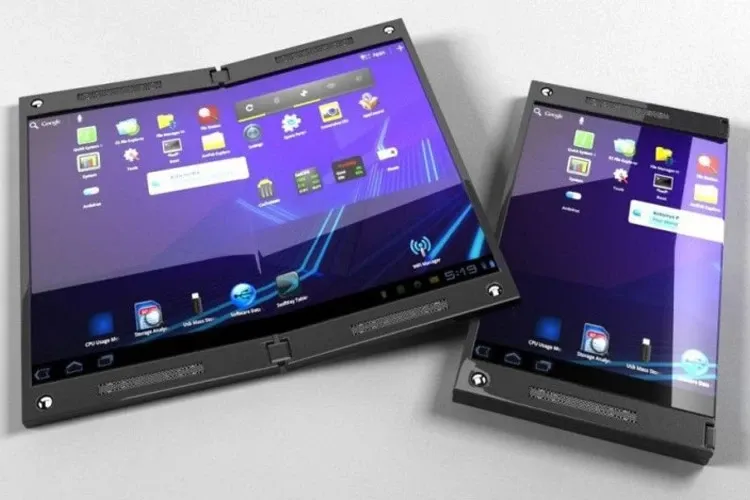
Global foldable smartphone shipments are projected to grow 20% in 2026, supported by Apple’s expected entry, continued premiumization, and expanding OEM participation, according to Counterpoint Research. As Apple prepares to launch its first foldable iPhone, the foldable smartphone market enters a new competitive phase in 2026.
As the foldable market evolves, competitive dynamics are expected to shift rapidly. Apple’s entry will be a key inflection point, with the company projected to capture a 28% share in 2026, approaching Samsung’s leading position. This development is expected to significantly reshape the global competitive landscape. Given the premium positioning of foldables, early demand for Apple’s foldable iPhone is expected to come primarily from existing iPhone users. However, some Android users considering book-type foldables may also evaluate Apple’s upcoming device as an alternative, increasing the potential for ecosystem switching.
Anticipating intensified competition after Apple’s entry, leading OEMs are increasingly centering their foldable strategies on book-type devices, which offer larger displays suited for multitasking, media consumption, and productivity-oriented use cases. Over the past several years, OEMs have invested significant resources in improving the large-screen user experience, making it more refined and better optimized than before. As a result, consumer familiarity with the book-type form factor has steadily increased.
While these efforts by OEMs have laid the groundwork, Apple appears particularly well-positioned given its long-standing experience with iPadOS and large-screen software optimization. With the launch and broader adoption of its first foldable model, Apple will play a pivotal role in elevating book-type foldables from what has largely been viewed as an experimental niche category to productivity-focused flagship devices. In response, major Android OEMs are accelerating updates to their foldable portfolios to defend their positions in the premium segment.
Samsung is preparing updates to its foldable portfolio with the next-generation Galaxy Z Fold and Z Flip series, expected to launch in Q3. The company is expected to adjust its lineup by replacing the previous Flip FE with a Fold variant with a wider aspect ratio, designed to compete more directly with Apple’s expected book-type foldable. Motorola, which has recently strengthened its presence in the foldable market through aggressive pricing strategies in the clamshell segment with its Razr lineup, will start selling its first book-type device, the Razr Fold. Expected to be priced broadly in line with other book-type foldables, it is projected to launch in Q2. Google is also expected to refresh its foldable lineup with the next-generation Pixel Fold in Q4. The new model is expected to feature a thinner chassis and improved hinge design, positioning the device firmly in the ultra-premium tier.
Despite foldables representing only 1.6% of the overall smartphone market in 2025, the category is becoming increasingly important for OEMs as they look for models with attractive margins to offset pricing pressure in the entry and mid-range segments. Within the premium smartphone segment, foldables are gradually establishing a clearer role as manufacturers continue to improve device durability and optimize software experiences for larger displays.
“Foldables still represent only a small fraction of the overall smartphone market, suggesting the category has considerable room for expansion as vendors continue improving device durability, usability, and software experiences,” said Liz Lee, Associate Director at Counterpoint Research. “As Apple’s entry approaches, competition will shift toward book-type foldables, while North America is set to see the most significant disruption.”