PC Shipments Grew 3.2 Percent in 1Q26
Global PC shipments grew 3.2% in 1Q26 to reach 63.3 million units, according to Counterpoint Research.

Global PC shipments grew 3.2% in 1Q26 to reach 63.3 million units, according to Counterpoint Research. The growth was fueled by two key drivers – pre-emptive buying before memory-led price increases hit the retail level, and the necessary hardware refreshes caused by the termination of Windows 10 support.
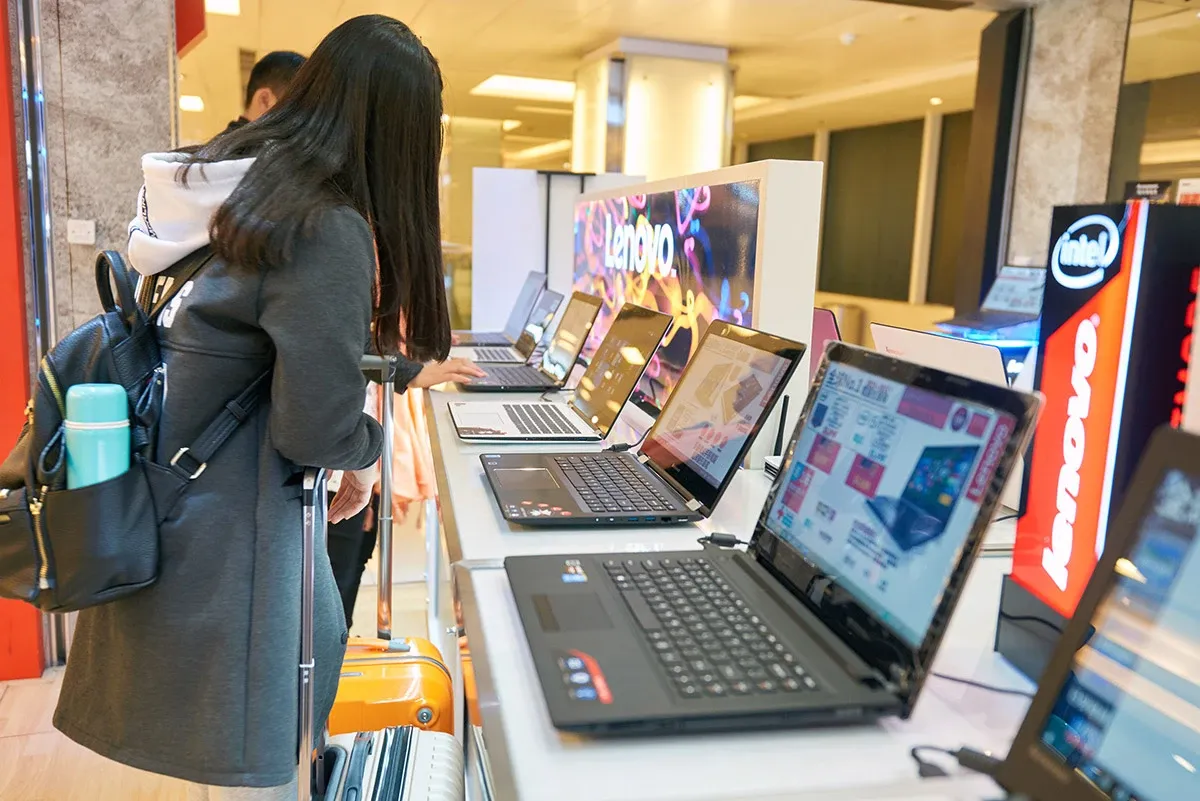
The competitive landscape saw major players capitalizing on the refresh cycle, with several companies posting double-digit YoY percentage growth. Lenovo maintained its market leadership, with shipments rising 9% YoY in 1Q26 to 16.5 million units, achieving a 26% market share and marking the highest first-quarter performance on record. HP saw a 5% decline in shipments, yet it maintained a substantial lead over the third-placed vendor.
Dell saw an 8% increase driven by replacement demand within the commercial sector. Apple’s shipments jumped 11%, delivering 6.7 million units, thanks to the initial shipments of the new MacBooks in March. Looking ahead, the ramp-up in production and delivery of these models is set to drive even more significant growth in the following quarter. Asus recorded the most explosive growth, surging 20% to 4.8 million units, driven by strong consumer notebook demand. Together, these top five vendors captured nearly 80% of the global PC market, underscoring continued consolidation at the high end. Smaller OEMs, by contrast, saw flat or declining volumes.
“According to Counterpoint’s Memory Price Tracker and Forecast, PC memory prices surged nearly twofold in 1Q26 compared to the previous quarter, and this upward trend is expected to persist through Q2 at a moderated pace. The aggressive expansion in AI infrastructure investment is driving up overall component costs, which will likely impact the pricing of CPUs and other key components in PC. Ultimately, the sustained upward pressure on costs and the resulting hike in retail prices are expected to have a significant negative impact on the PC market’s growth in 2026,” noted Minsoo Kang, Senior Analyst at Counterpoint Research.
While higher prices may provide some ASP (average selling price) uplift, the projected YoY drop in shipment volumes will result in revenue declines for most of the OEMs. However, around 40% of the current installed base still consists of Windows 10 or older systems, suggesting that a significant portion of devices still require upgrades. Consequently, the PC market’s decline is likely to be less pronounced compared to other consumer electronics segments. Furthermore, with the launch of Qualcomm’s second-generation chipsets and the steady rollout of AI-capable CPUs from Intel and AMD, the demand for AI PCs is set for sustained growth.
“PC demand in 1Q26 benefited from short-term tailwinds, particularly pre-emptive buying ahead of memory-driven price increases and the ongoing Windows 10 refresh cycle. However, these factors are frontloading demand rather than signaling sustained growth. As we move through 2026, supply-side pressures from DRAM and NAND pricing will continue to weigh on volumes, and the refresh cycle alone will not be enough to offset the expected decline. Looking ahead to 2027, easing memory constraints combined with the continued ramp of AI PCs should help stabilize the market and support a return to modest growth,” said David Naranjo, Associate Director at Counterpoint Research.
This year will be a critical period for testing how PC OEMs respond to market volatility. Only those who can ensure a reliable supply chain for essential components and successfully transition their business focus from low-margin models to more sustainable mid-tier and premium segments are expected to endure.
Global PC shipments grew 3.2% in 1Q26 to reach 63.3 million units, according to Counterpoint Research.

This year will be a watershed moment in the digital ad industry, as a major upset will take place, according to eMarketer.
The global smartphone market performed above expectations in 1Q26, growing by 1% year on year, according to Omdia.