


Hydrogen Energy Market Shifts Focus to Grid Stability and Load Balancing
The hydrogen sector is transitioning from its primary role as a mainstream fuel source toward a specialized utility for long-term grid balancing and energy adequacy.
According to GlobalData, round-trip efficiency challenges and competition from chemical battery storage have limited hydrogen's viability for standard generation, refocusing its application on managing renewable intermittency and securing critical backup power.
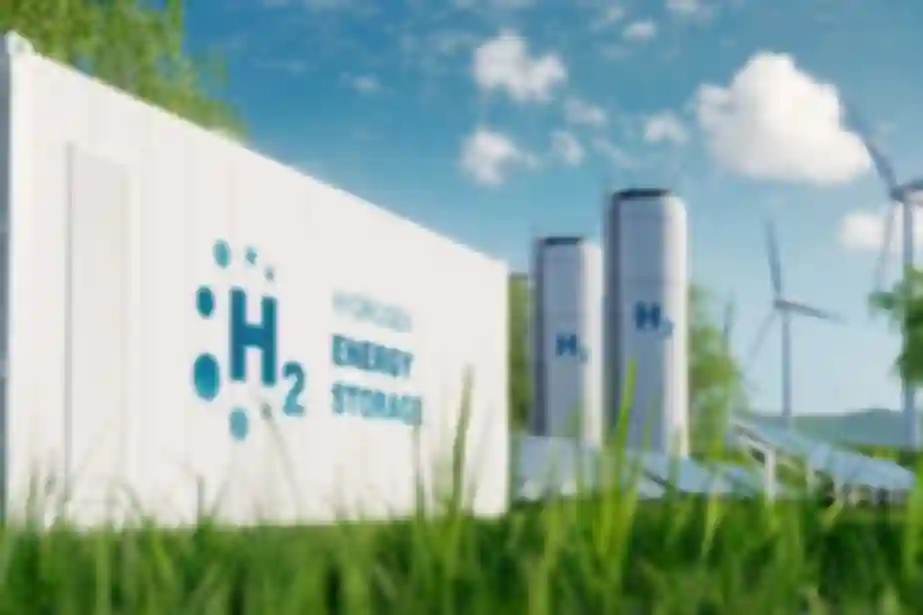
The hydrogen sector is transitioning from its primary role as a mainstream fuel source toward a specialized utility for long-term grid balancing and energy adequacy. According to GlobalData, round-trip efficiency challenges and competition from chemical battery storage have limited hydrogen's viability for standard generation, refocusing its application on managing renewable intermittency and securing critical backup power.
Market analysis indicates that hydrogen adoption within the power industry is increasingly concentrated on projects with established economics and robust policy frameworks. Factors such as elevated development costs, slow reductions in electrolyzer pricing, and complex regulatory environments have delayed various large-scale initiatives. Consequently, utilities are increasingly evaluating hydrogen against more cost-effective energy alternatives, leading to recent project pauses in Chile, Europe, and the US.
“Hydrogen maintains its strategic relevance in scenarios where industrial demand acts as a primary anchor and renewable energy remains inexpensive,” noted Rehaan Shiledar, Power Analyst at GlobalData. He suggested that global production capacity is still projected to expand, driven primarily by specific industrial mandates, the requirements of heavy transport, and specialized grid stability needs.
While low-carbon hydrogen production remained in a preliminary stage during 2025, GlobalData estimates suggest significant expansion by the end of 2026. This growth will be primarily facilitated by the development of blue and green hydrogen variants. By 2030, the industry is expected to reach substantial production levels, with the green hydrogen segment securing the majority of the market.
Blue hydrogen is anticipated to lead low-carbon capacity in the short term, though it will likely be surpassed by green hydrogen by the end of the decade. Projections suggest that green hydrogen capacity will be approximately 5.5 times greater than blue hydrogen by 2030, supported by the expansion of solar and wind power. Key geographic contributors to this growth include Spain, Australia, China, the US, Germany, and Brazil.
Utilities are increasingly integrating hydrogen-ready gas turbines and engines to provide the flexible generation necessary to manage intermittent renewable energy sources. Shiledar noted that manufacturers are addressing technical hurdles such as flame speed and material durability through hardware upgrades. Recent commitments from firms like RWE, EnBW, and Ansaldo Energia, alongside developments from GE Vernova, indicate a growing industrial adoption.
Governments in prominent hydrogen markets are currently refining policy frameworks to address high operational costs and infrastructure limitations. The European Commission has accelerated reviews of renewable fuel rules, while China's 2026–30 strategy emphasizes hydrogen's role in industrial decarbonization. Simultaneously, nations like Brazil and Indian states such as Bihar are implementing targeted subsidies to support domestic manufacturing and demand aggregation.
Hydrogen’s role in the energy sector is becoming more selective and commercially focused rather than losing its broad relevance. Investment is migrating toward blending initiatives and industrial-led developments that benefit from established demand. The most significant near-term growth opportunities are emerging in regions characterized by low-cost renewable power, extensive storage capacity, and stable regulatory environments.

The hydrogen sector is transitioning from its primary role as a mainstream fuel source toward a specialized utility for long-term grid balancing and energy adequacy.

Global smartphone revenue increased by 3% year-on-year to $114 billion in the third quarter of 2026, despite a significant 19% contraction in unit shipments, according to Counterpoint Research.

Global expenditure on telecommunications and pay TV services is projected to reach $1,585 billion in 2026, representing a year-on-year increase of 2.3%, according to IDC.


