Telefónica and Sateliot Collaborate on Satellite 5G Connectivity
Telefónica España has signed a collaboration agreement with Sateliot to apply 5G NR (New Radio) technology in the space domain.

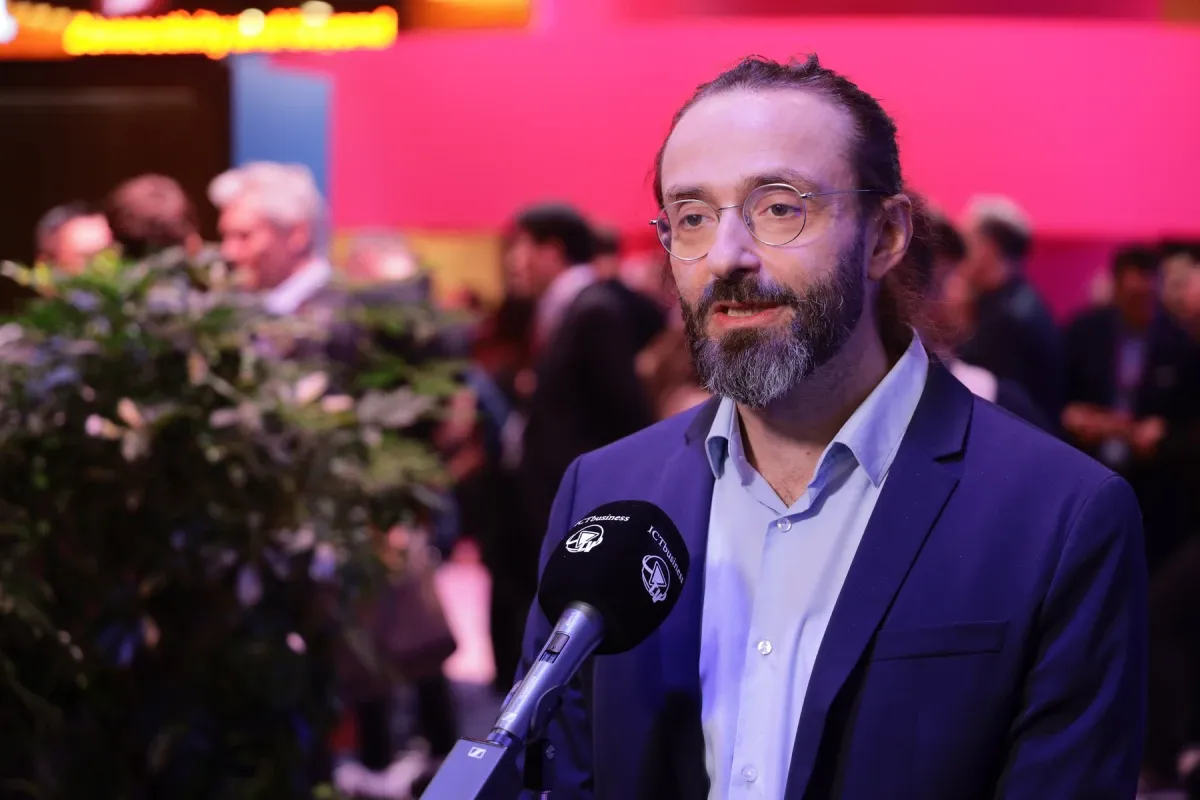
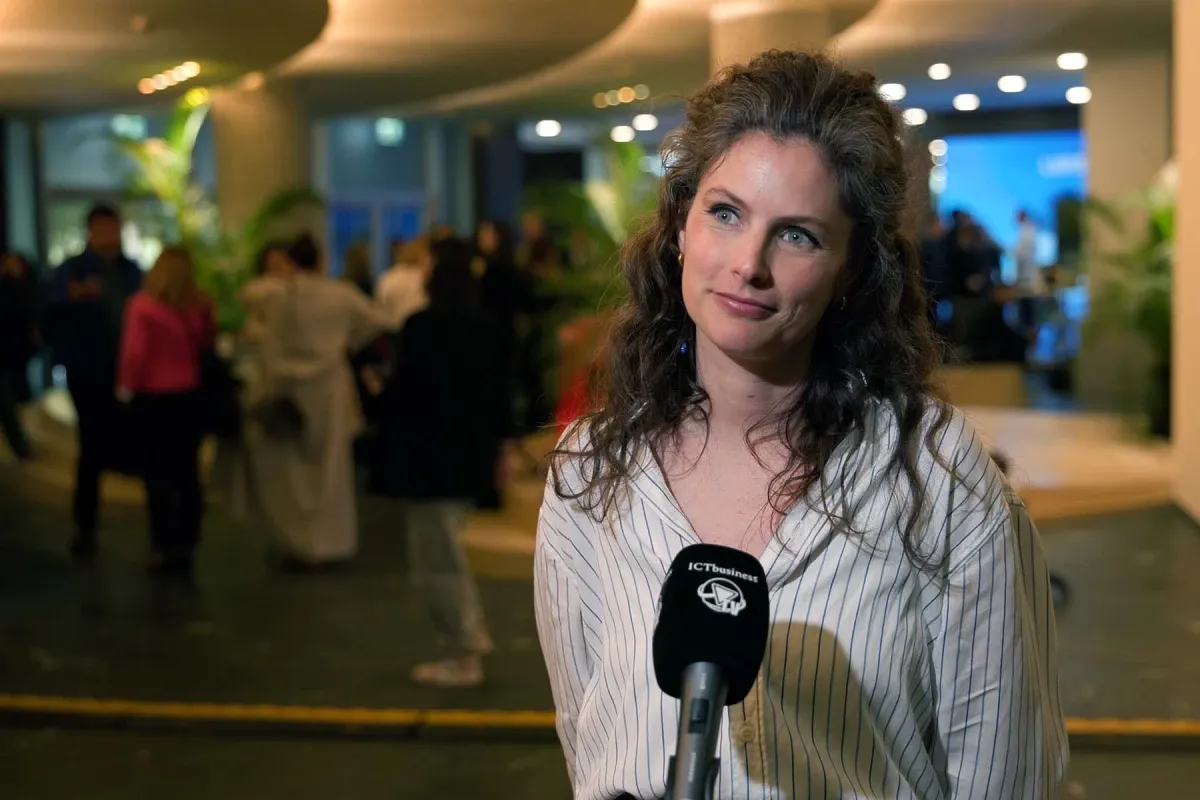
With his transition from Hrvatski Telekom to Deutsche Telekom, Boris Drilo has taken on a broader European perspective at a time when the industry is entering a new technological phase. As Director for Technology in Europe, he now observes the market from a higher vantage point, enabling a clearer view of the structural trends shaping telecommunications.
This year’s Mobile World Congress signals a gradual shift towards 6G, but more importantly, towards the deep integration of artificial intelligence into core network functions. “AI is no longer just a layer on top of the network. Agents are becoming part of network functions,” Drilo explains. This evolution points to autonomous networks capable of independently reallocating capacity, mitigating cybersecurity threats, or adapting services to specific user categories.
Despite revenue stagnation across much of the European telecom sector, Drilo underlines that connectivity remains the core value proposition. Deutsche Telekom Group’s recent results confirm continued growth in the connectivity segment. “In everything that comes with AI, reliable connectivity is essential,” Drilo said, stressing that traditional telecom services are simultaneously being upgraded. One example is AI Calling, enabling real-time conversations between people speaking different languages. Such capabilities are particularly relevant for countries with significant migrant populations or strong tourism sectors, but also for broader enterprise use cases.
Satellite communications represent another strategic frontier. A clearer delineation is emerging between satellite and terrestrial spectrum, with mobile operators continuing to focus on terrestrial assets. However, from 2028 onwards, deeper integration of satellite capabilities into standard mobile devices is expected, particularly in areas lacking traditional coverage. The integration of satellite chipsets into smartphones will gradually transform them into hybrid terrestrial-satellite devices.
Looking ahead five years, Drilo anticipates a continued convergence between telecom networks and the application layer. Historically rigid by design, engineered for reliability, availability, and quality, networks are now opening up through APIs and AI-driven functionalities. “We are witnessing a marriage between new application approaches and core network functions,” concluded Drilo. European telecom is thus entering a phase where transformation happens not at the edge, but at the very heart of the network, through autonomy, intelligence, and the convergence of terrestrial and satellite infrastructures.
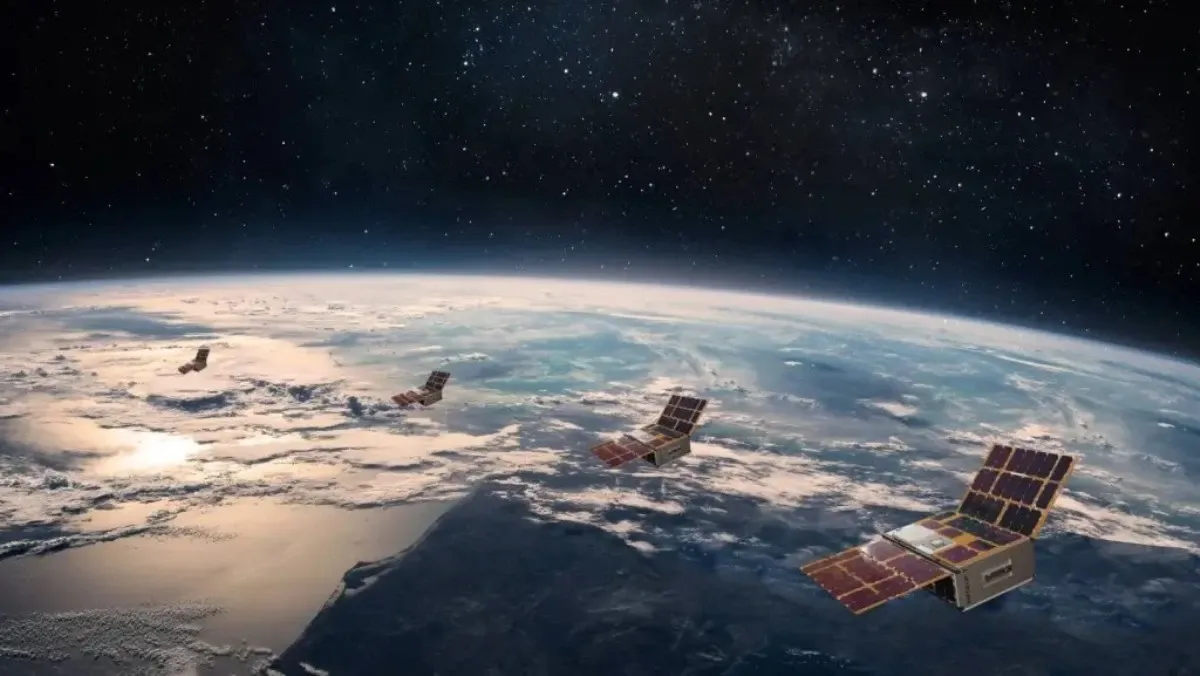
Telefónica España has signed a collaboration agreement with Sateliot to apply 5G NR (New Radio) technology in the space domain.
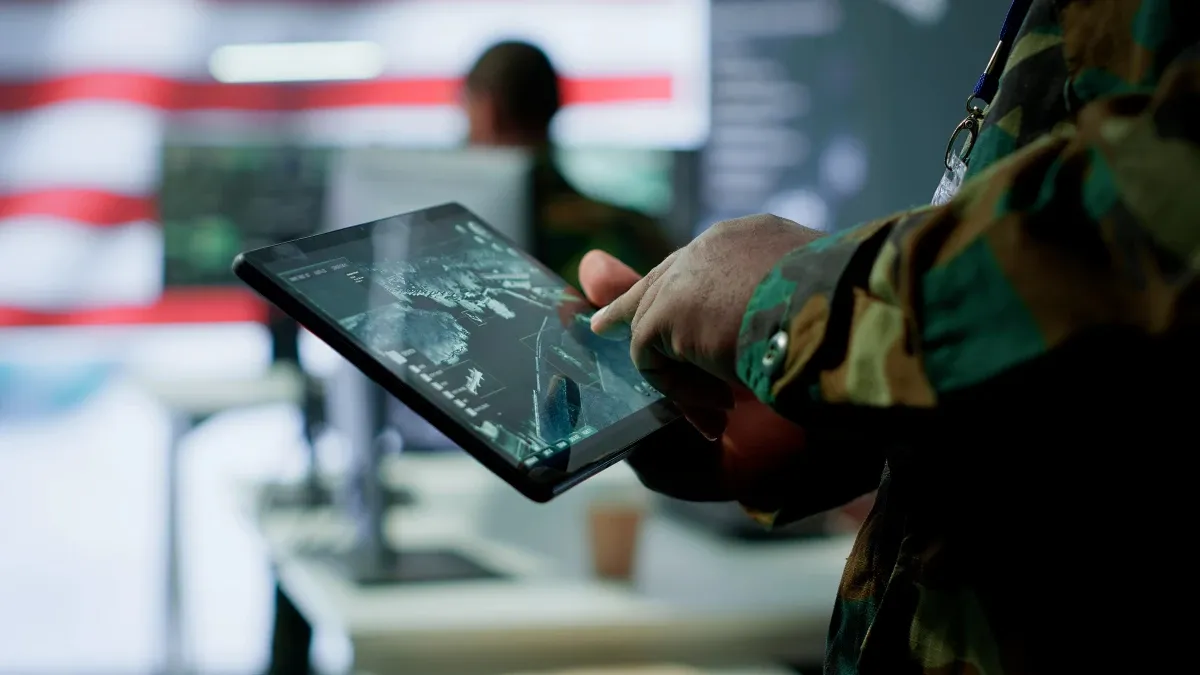
More than 560 Google employees signed an open letter to CEO Sundar Pichai, urging him to reject classified military contracts for the company’s AI technology.
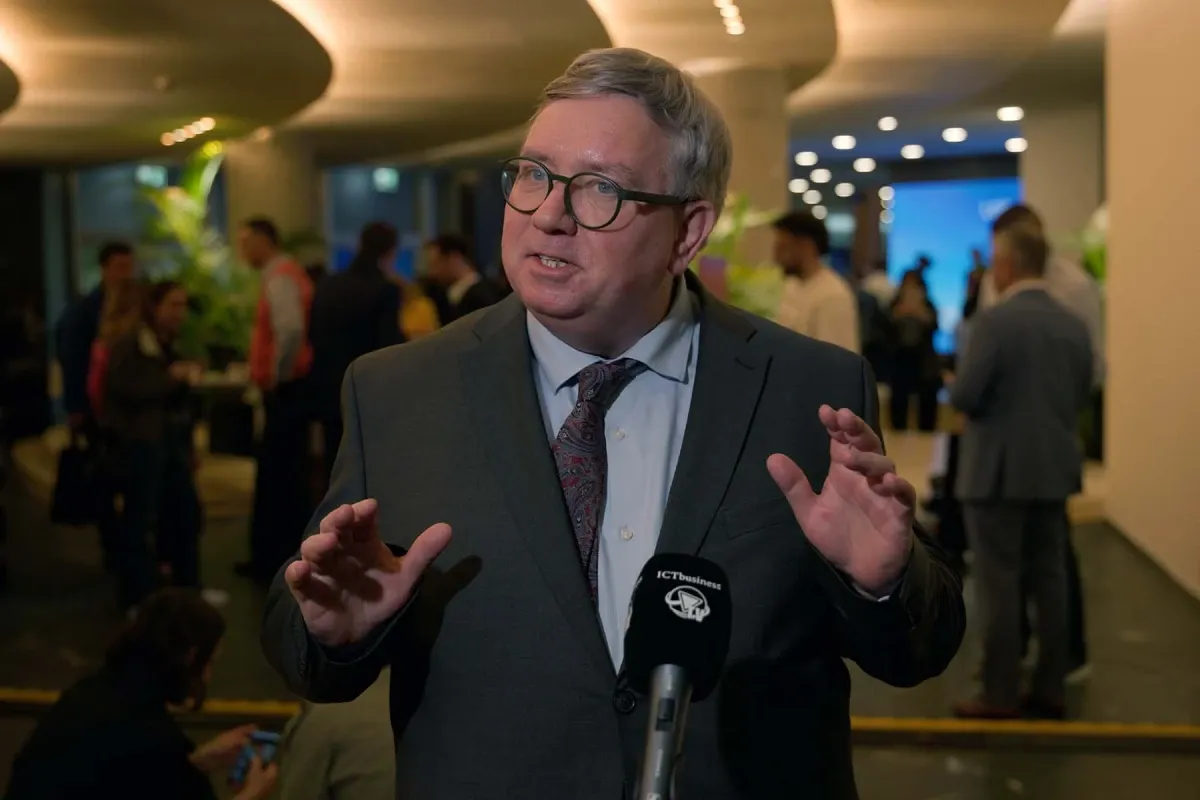
Global trade can no longer be understood through the old formula in which the world simply became more integrated while cost remained the dominant organising principle.