Samsung Reported a Record First Quarter
Samsung’s semiconductor business was behind record quarterly revenue and profit in the opening three months.

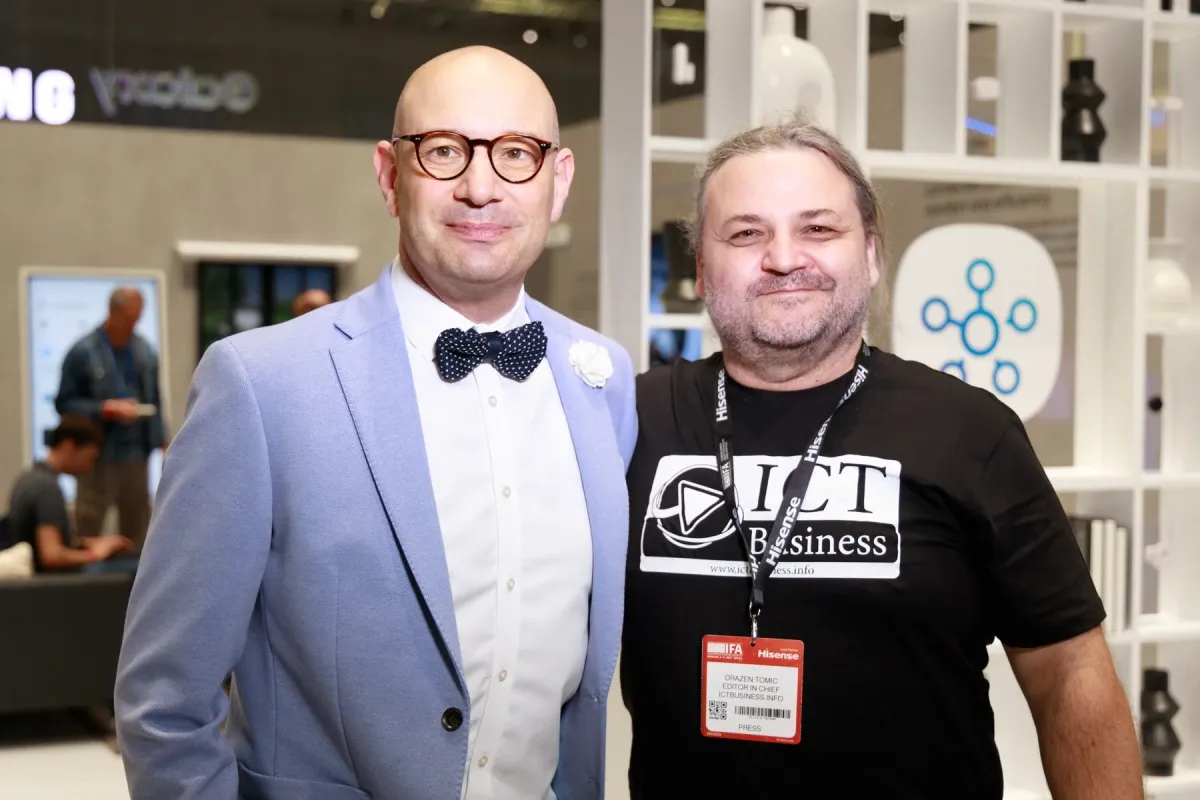
The European smartphone market is entering a new phase in which artificial intelligence and data privacy are becoming the primary axes of differentiation. According to Benjamin Braun, CMO at Samsung Europe, the next industry cycle will be defined by the democratization of AI and hardware-level security.
“Samsung is the biggest manufacturer of mobile phones and TVs in the world, and because of that, we need to accommodate everyone’s needs, from the most premium to the most affordable devices,” stated Braun. In his view, AI is no longer a premium add-on but a matter of accessibility. “AI in phones really becomes an issue about democratization, because we want to make sure that everyone can use AI.”
While some competitors restrict advanced AI capabilities to flagship devices, Samsung is extending them to more affordable models and even rolling them out via over-the-air updates. “Even on some of our most affordable devices, we’re now enabling AI,” Braun emphasizes, noting that users of one- or two-year-old Galaxy devices are also receiving features free of charge.
Currently, 400 million Samsung Galaxy devices are AI-enabled worldwide, with a target to double that figure to 800 million this year. “We really believe in the power of AI for the people,” he says. However, availability alone is not enough. Internal research shows that 81 percent of respondents recognize AI’s potential benefits, yet 85 percent do not know how to use it. “That’s why we’re trying to simplify it as much as possible.”
The approach centers on system-level integration: activating AI through a side button or camera, without navigating multiple apps. The focus shifts from technical complexity to usability and time-saving functionality.
Privacy forms the second strategic pillar. “Your data is your data, and we want to make sure that you can protect your data,” Braun underlines. The new Galaxy S26 introduces a hardware-based privacy display that prevents side viewing of on-screen content – particularly relevant in public transport or business travel scenarios. Protection can be configured at the app level, covering banking, messaging, or photo galleries.
Samsung is also reinforcing permission management. Users can decide whether an app has access to precise location, microphone, camera, or contacts – and modify those choices at any time. Security and control are designed to be transparent and user-driven rather than hidden behind complex menus.
On the hardware front, camera upgrades include a significantly larger aperture and enhanced sensors for improved night photography and video, alongside a “horizontal lock” feature that stabilizes footage without external equipment. The objective, Braun suggests, is not innovation for its own sake but tangible user value.
Looking ahead, he points to the onset of a “semiconductor supercycle.” “There is still a lot of demand out there, but supply is going to become somewhat constrained,” Braun notes. Samsung’s vertical integration and semiconductor manufacturing capabilities position the company favorably in a potentially tight supply environment.
As Europe’s mobile market evolves, competitive advantage will hinge on combining AI innovation, supply chain resilience, and user trust. In Braun’s framework, AI “for the people” and privacy “by design” are set to define the industry’s next chapter.
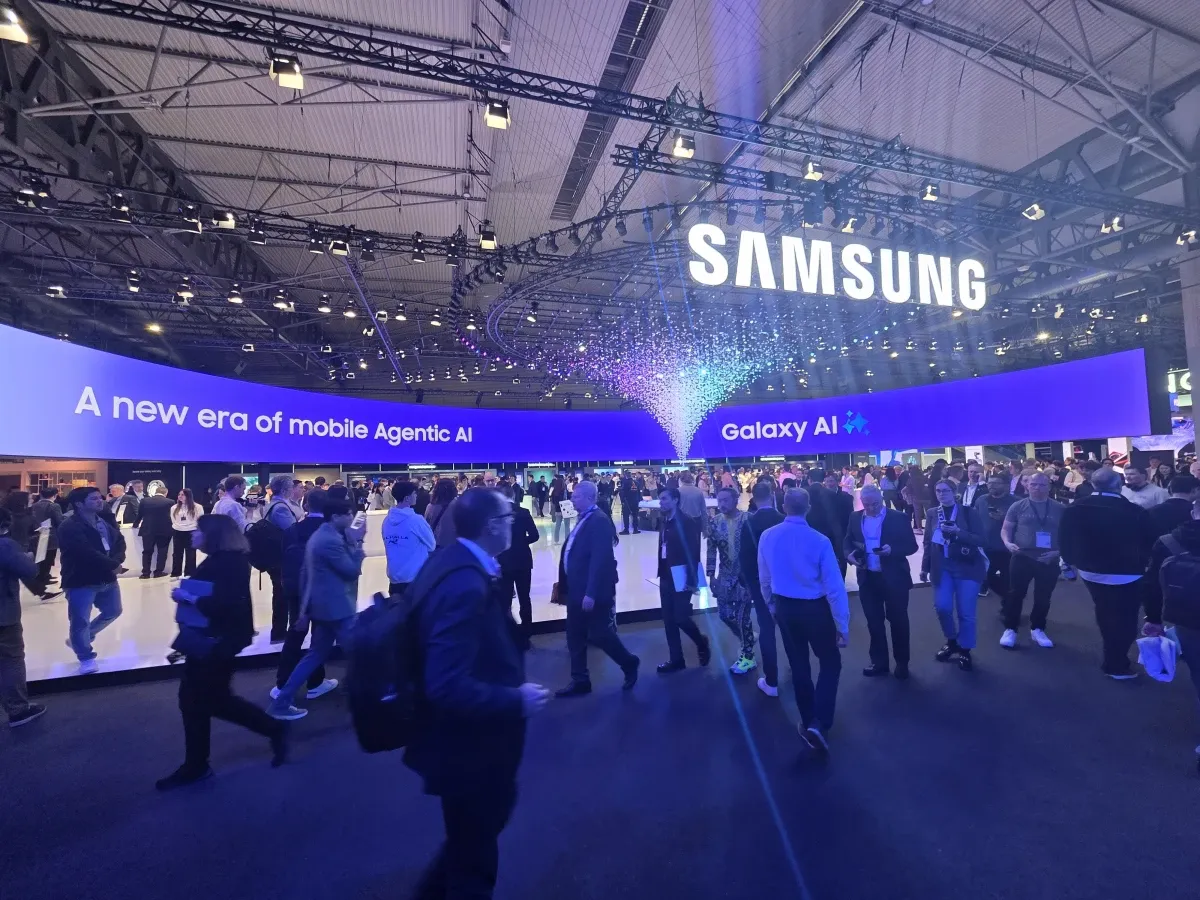
Samsung’s semiconductor business was behind record quarterly revenue and profit in the opening three months.

Telefónica España has signed a collaboration agreement with Sateliot to apply 5G NR (New Radio) technology in the space domain.

More than 560 Google employees signed an open letter to CEO Sundar Pichai, urging him to reject classified military contracts for the company’s AI technology.