Apple Set to Launch Five New iPhones by 2027
Apple will launch at least five new iPhone models between the second half of this year and the first half of 2027 while ramping up production of foldable devices.

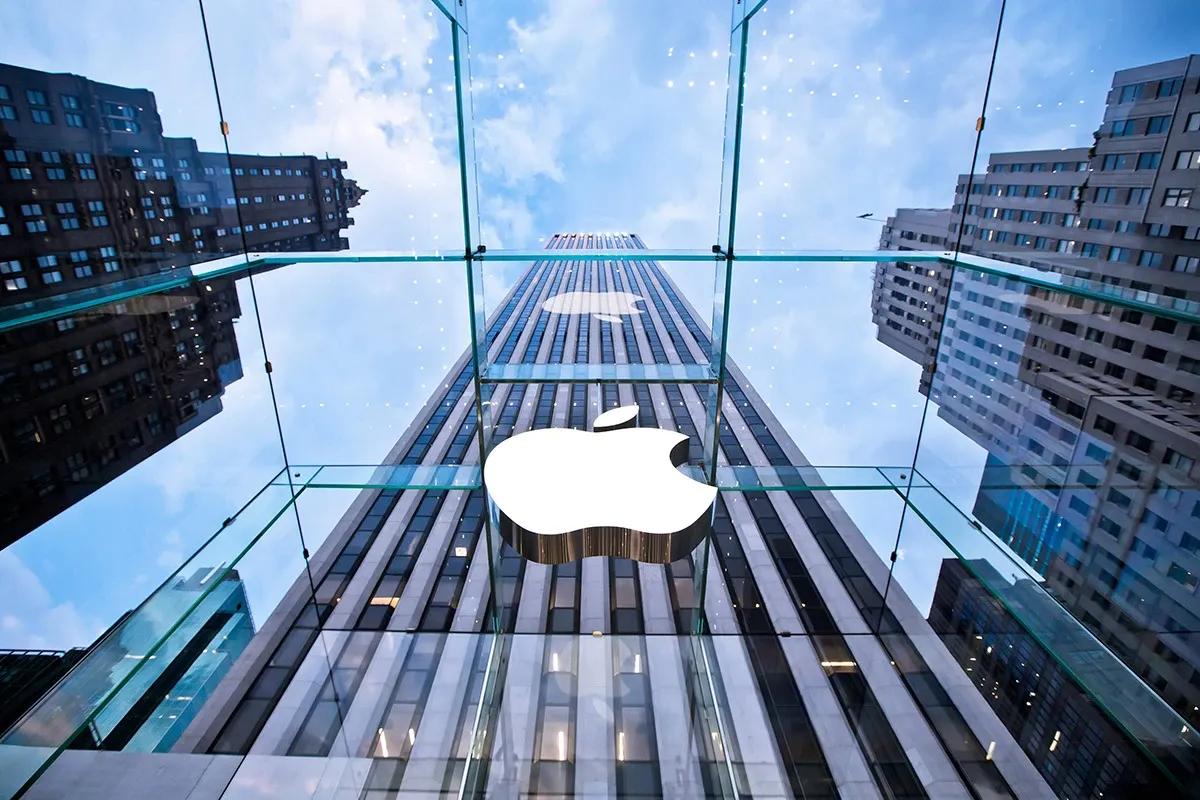
Apple will launch at least five new iPhone models between the second half of this year and the first half of 2027 while ramping up production of foldable devices. Nikkei Asia reported that the company is telling suppliers to prepare to produce about 10 million foldable iPhones this year, up from an earlier forecast of 7 to 8 million units.
Ahead of launching its first foldable device, Apple is securing components for roughly 80 million smartphones across new models slated for the second half of 2026. The company’s total smartphone production for 2026 is expected to top 220 million devices. Apple’s scale and purchasing power for sourcing memory and components remain far stronger than most rivals, even as AI-driven demand strains chip supply chains globally.
The advantage has let Apple weather the shortage better than Chinese competitors including Xiaomi, Oppo, and Vivo, which have each cut their annual production targets below 100 million units, according to the report. An executive at a supplier serving both Apple and Xiaomi said that Chinese manufacturers are in a weaker position to secure additional memory chips or absorb price increases, giving Apple an incentive to launch new iPhones earlier in the year to take a larger share of the market.
Apple is also in talks to source memory chips for devices sold in China from Chinese manufacturers ChangXin Memory Technologies and Yangtze Memory Technologies, both of which appear on a Pentagon list of companies alleged to support China’s military. The company has not confirmed the discussions, while media state that the negotiations remain ongoing.
The talks come as Apple looks to widen its supplier base amid memory shortages squeezing production across the consumer electronics industry. Apple also plans to introduce at least two new iPhones in the first half of 2027, including a standard iPhone 18 and a new iPhone Air model. The expanded product roadmap follows price increases Apple recently implemented on its MacBook and iPad lineups, as rising memory and storage costs ripple through its broader hardware business.
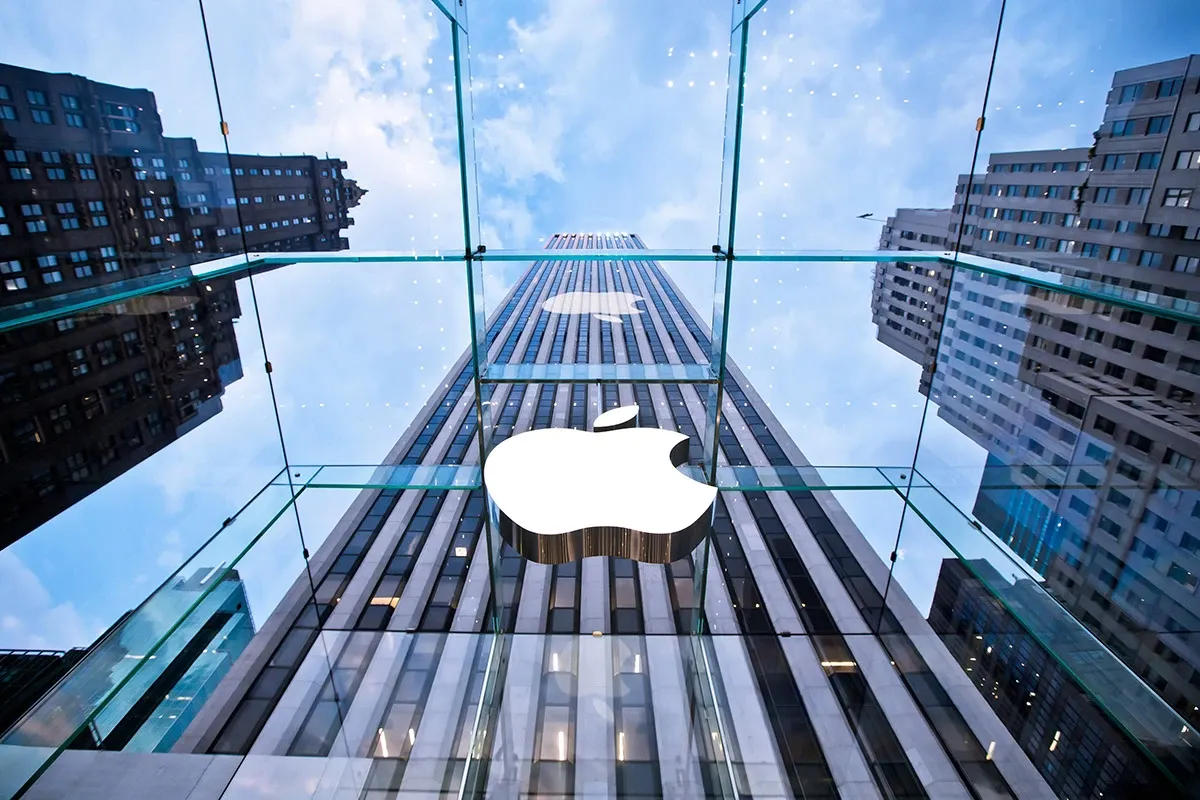
Apple will launch at least five new iPhone models between the second half of this year and the first half of 2027 while ramping up production of foldable devices.

European Court of Justice upheld a €4.1 billion fine issued to Google by the European Commission for abuse of its Android operating system.

Microsoft announced it has invested $2.5 billion into a new business division called Microsoft Frontier Company.