DT and Rheinmetall Target Drone Threats
Deutsche Telekom and German arms manufacturer Rheinmetall outlined plans to develop defensive technologies to counter drone attacks and sabotage threats targeting critical infrastructure.

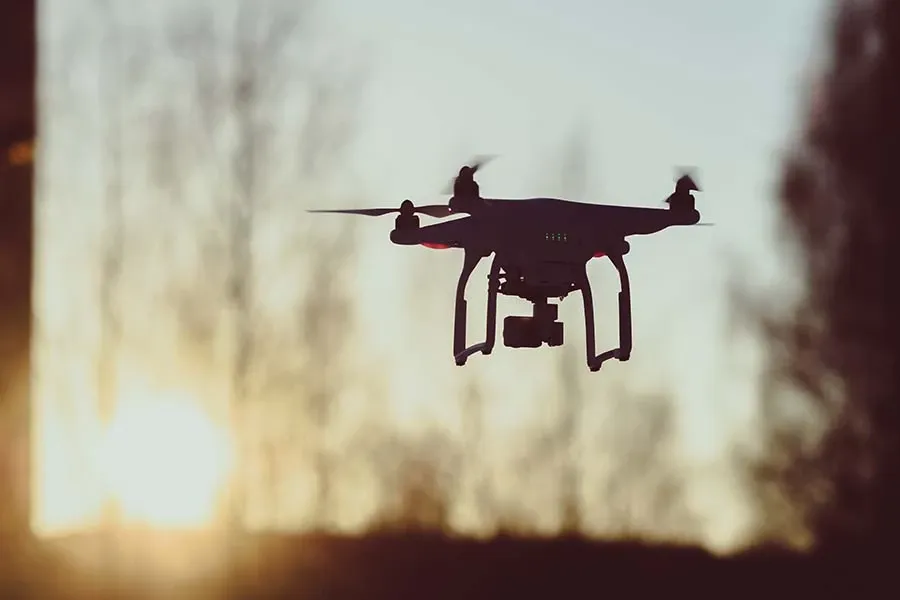
Deutsche Telekom and German arms manufacturer Rheinmetall outlined plans to develop defensive technologies to counter drone attacks and sabotage threats targeting critical infrastructure. Under the deal, the pair will combine drone defence, secure communications, cybersecurity, and physical perimeter security technologies to create a multi-threat protection approach.
Rheinmetall CEO Armin Papperger warned: “The threat posed by drones is highly digital,” adding effective defence requires “the combination of sensor technology, effectors and secure communication networks”. Meanwhile, Deutsche Telekom CEO Tim Hoettges stated the operator would contribute expertise in “connectivity, cloud and data analysis” to “take drone defence to a new level”, adding “sovereignty is not only created through discussions, but through deeds”.
The partners did not disclose details or a timeline for the partnership, noting further information would be announced later. According to the operator, the partnership reflects heightened geopolitical tensions across Europe as concerns around hybrid threats and attacks on critical infrastructure mount. Deutsche Telekom has worked on drone detection systems since 2017 and said it utilises a mix of detection technologies, including video, radar, audio, and radio frequency (RF) sensors. It noted RF systems currently make “more than 90% of all drones visible in lower airspace”.
However, the operator flagged an emerging challenge from drones controlled over cellular networks rather than traditional radio links, adding that it is researching new detection methods with Helmut Schmidt University using a standalone 5G network built on Ericsson technology. The concept would allow the mobile network to act as a “giant radar” by identifying anomalies in network traffic linked to drone communications. Rheinmetall, meanwhile, already supplies defence systems deployed in Ukraine and the Middle East.
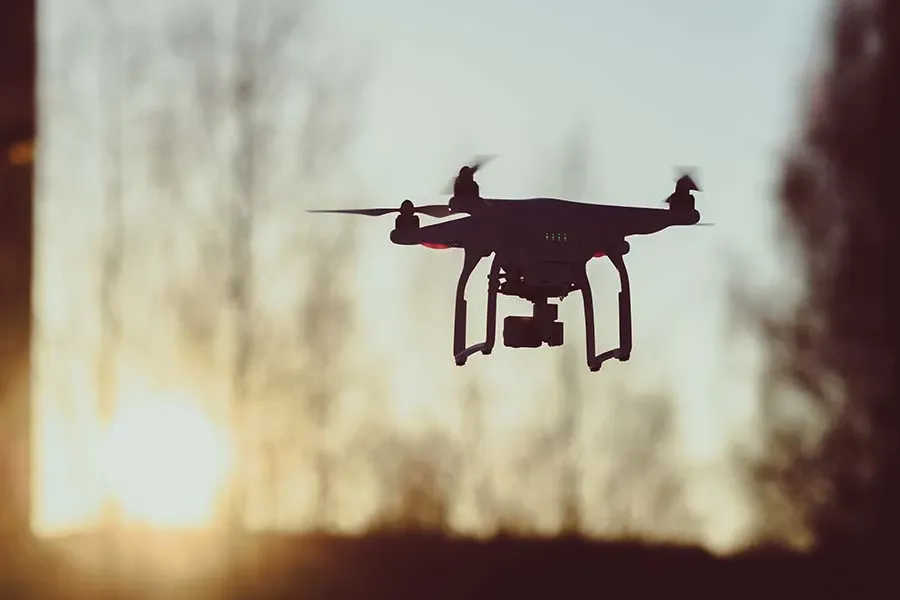
Deutsche Telekom and German arms manufacturer Rheinmetall outlined plans to develop defensive technologies to counter drone attacks and sabotage threats targeting critical infrastructure.

Artificial intelligence in business can no longer be viewed merely as another technology tool.
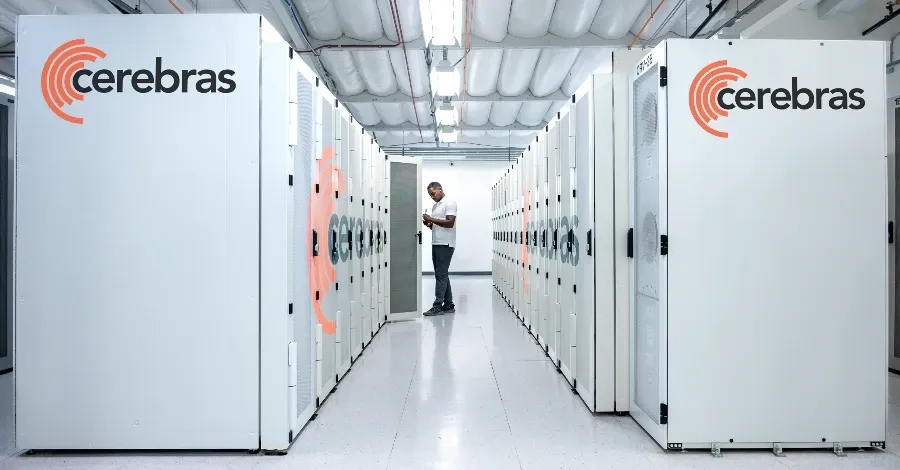
Arm and SoftBank Group attempted to acquire Cerebras weeks before its highly anticipated initial public offering (IPO).