Telefónica and Sateliot Collaborate on Satellite 5G Connectivity
Telefónica España has signed a collaboration agreement with Sateliot to apply 5G NR (New Radio) technology in the space domain.

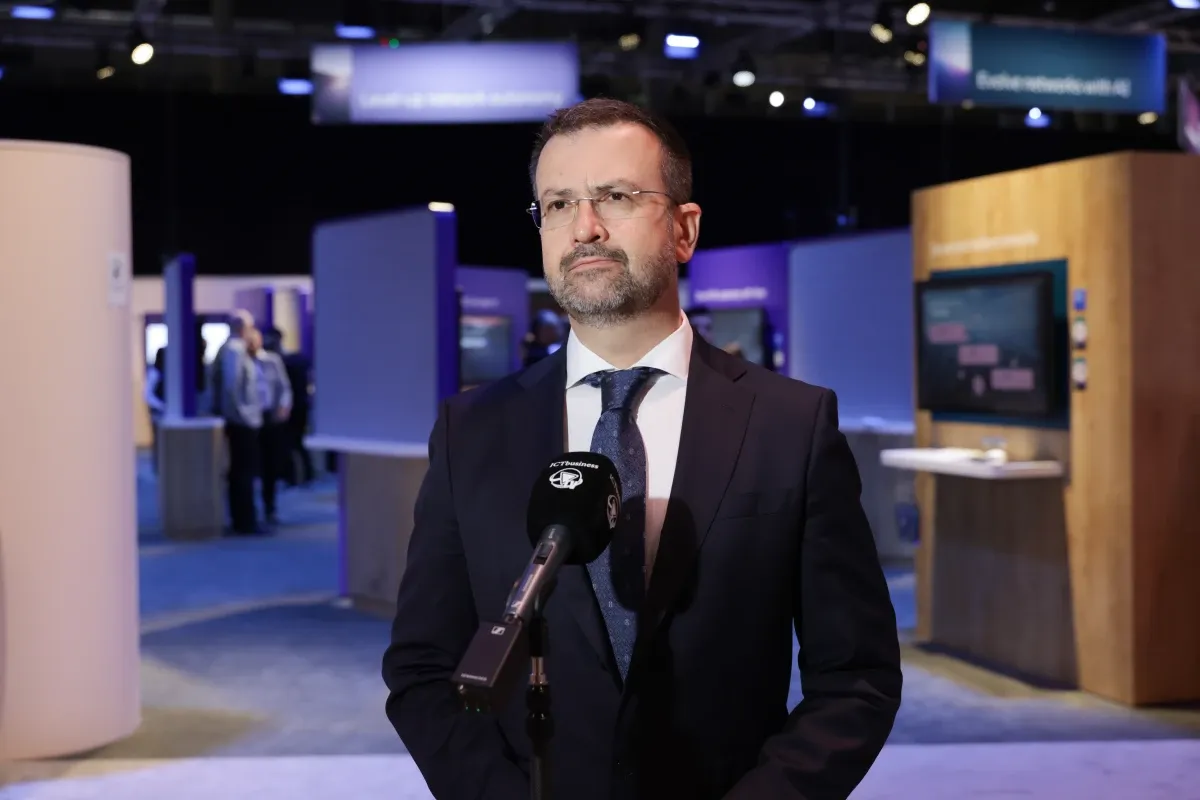
Ericsson Nikola Tesla is entering a new strategic phase focused on stronger software development, digital transformation, and the growing role of AI, while continuing to play a key role in the development of telecommunications infrastructure in Croatia and the wider region. According to the company’s President and CEO, Siniša Krajnović, ENT already represents one of the most important technology and development organisations in the country, with ambitions to further strengthen its position by the end of the decade.
In 2025, ENT generated revenue of €238.6 million, representing a decline of 4.4 percent compared with the previous year, primarily due to weaker performance in export telecommunications markets. Despite this, the company maintained stable operations and continued investing in the development of new solutions. “We achieved relatively stable results, and our focus is now strongly directed toward 2026, and a new strategy we are developing with our leadership team called Ericsson Nikola Tesla 2030,” Krajnović says.
The goal, he explained, is to strengthen performance across key business segments and maintain the company’s role as an important driver of Croatian industrial and technological competitiveness. The company’s transformation toward a software-driven business model has been underway for years. Today, Ericsson Nikola Tesla employs around 3,000 people, the vast majority of them highly educated professionals, primarily engineers. Research and development represent a particularly strong pillar of the organisation. “Our R&D organisation includes around 1,500 people, and close to 2,000 employees are engaged in software development. This clearly shows that we are primarily a software company, combined with strong services and solutions capabilities,” Krajnović noted.
The company’s operations are structured around three key segments. The first is telecommunications infrastructure, where Ericsson Nikola Tesla works closely with leading operators across Croatia and neighbouring markets, such as Bosnia and Herzegovina, Montenegro, and Kosovo. The second segment focuses on digital transformation of public administration and society, while the third covers software development and export-oriented projects within Ericsson’s global ecosystem. “We believe we are one of the largest software exporters in Croatia, and we are confident we can further strengthen that position,” he said.
Digital transformation of the public sector represents one of the company’s key strategic directions. ENT is involved in projects modernising government administration, healthcare systems, land registries, and other public services, as well as initiatives related to critical infrastructure and security systems. “We work extensively with ministries, national and local government institutions, but also in the field of critical infrastructure and national security. As a Croatian technology company, we believe we can significantly contribute to the digital transformation of society and the country’s strategic resilience,” Krajnović explains.
At the same time, telecommunications infrastructure remains the backbone of the digital economy and technological development. The rollout of 5G networks continues, while early concepts for future 6G systems are already being explored. “Telecommunications will remain the fundamental technological infrastructure of every country. It is extremely important that trusted suppliers exist — companies that governments and societies can rely on,” he emphasises.
Geopolitical developments in recent years have also intensified discussions around technological sovereignty and the security of communication networks. In this context, European infrastructure vendors are gaining strategic importance. “We are proud to be a trusted supplier for both Croatia and the European Union. We see not only a business opportunity but also a responsibility to contribute to secure and reliable communications,” Krajnović says.
Artificial intelligence is increasingly shaping the evolution of networks and digital solutions, already playing a major role in modern telecommunications systems. “Artificial intelligence is present today in access networks, core networks, and transport networks. It increases functionality, energy efficiency, and overall service quality,” he explained. Within Ericsson Nikola Tesla, AI plays three key roles. The first is integrating AI capabilities into solutions delivered to customers, the second is improving internal efficiency and operational processes, and the third is strengthening the company’s research and development capabilities.
“Our focus is not only to help customers through AI-enabled solutions or to improve our own efficiency. It is equally important that we maintain a world-class development team capable of building the most advanced software,” Krajnović added. With strong research capabilities, export-oriented software development, and a central role in digital infrastructure, Ericsson Nikola Tesla aims to remain one of the most influential technology players in Croatia and the broader regional market over the coming decade, concluded Krajnović.

Telefónica España has signed a collaboration agreement with Sateliot to apply 5G NR (New Radio) technology in the space domain.
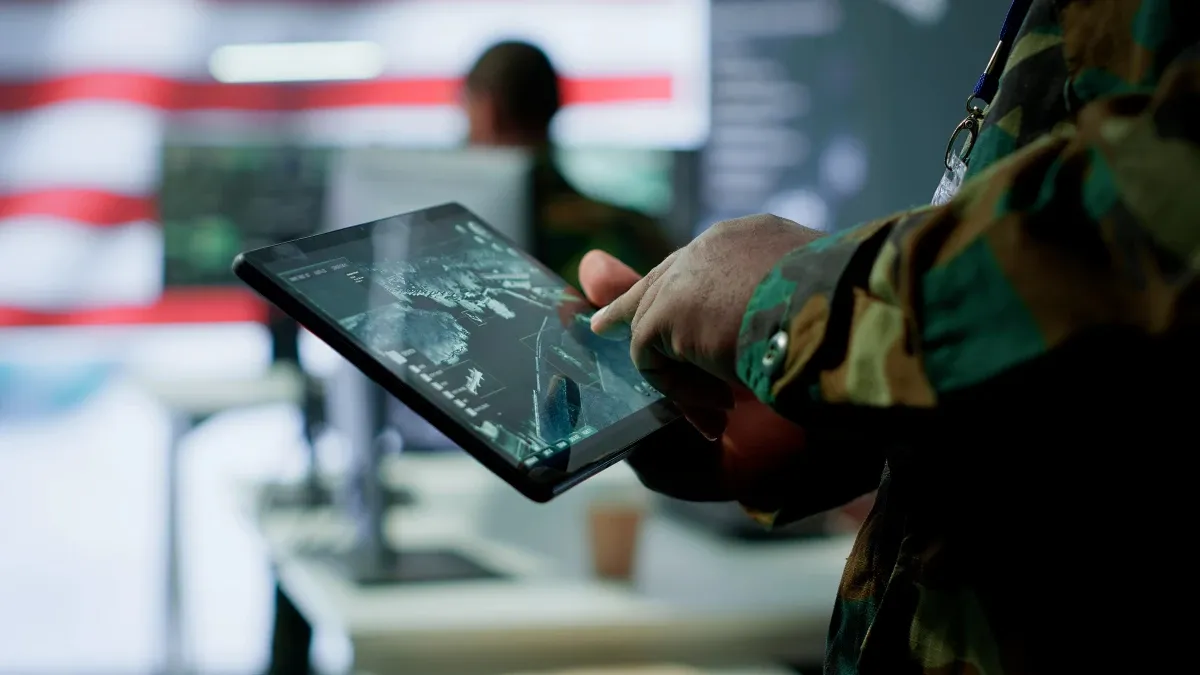
More than 560 Google employees signed an open letter to CEO Sundar Pichai, urging him to reject classified military contracts for the company’s AI technology.
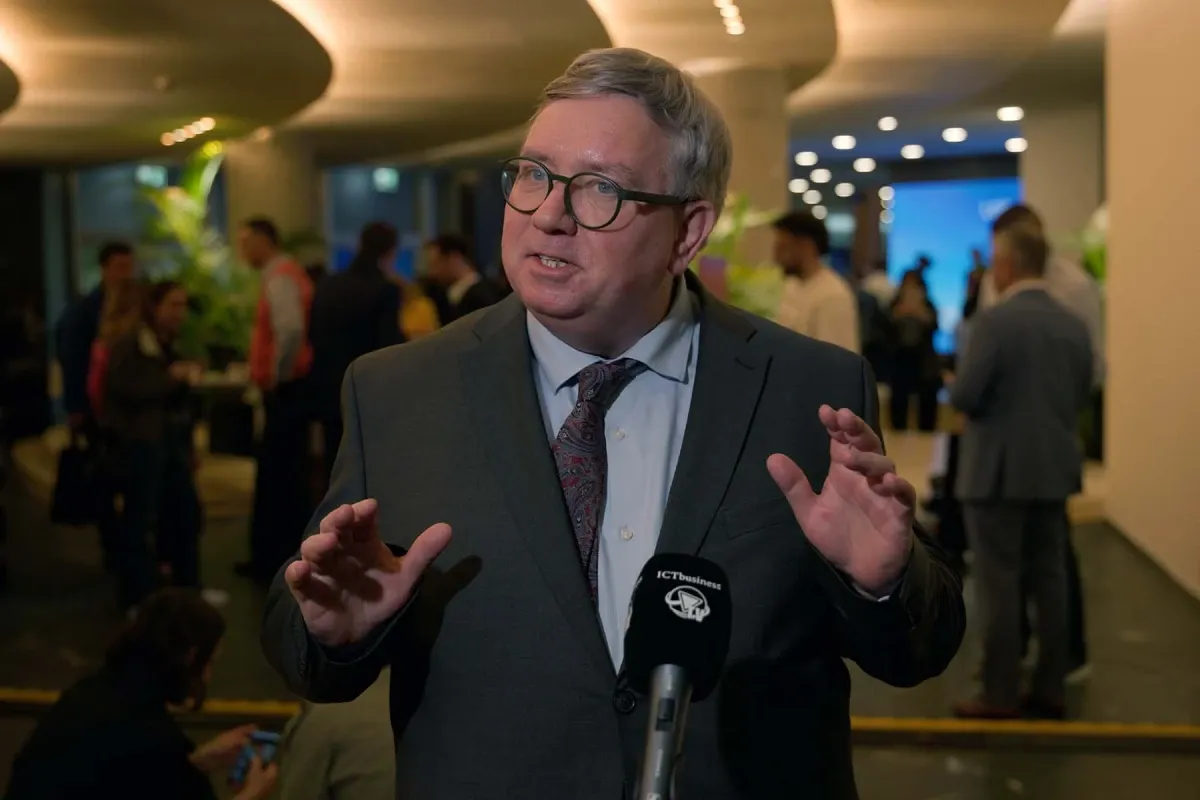
Global trade can no longer be understood through the old formula in which the world simply became more integrated while cost remained the dominant organising principle.