EU Players to Get Bulk of MSS Spectrum
European Commission EVP Henna Virkkunen unveiled a proposal to allocate the 2GHz spectrum band for mobile satellite services.

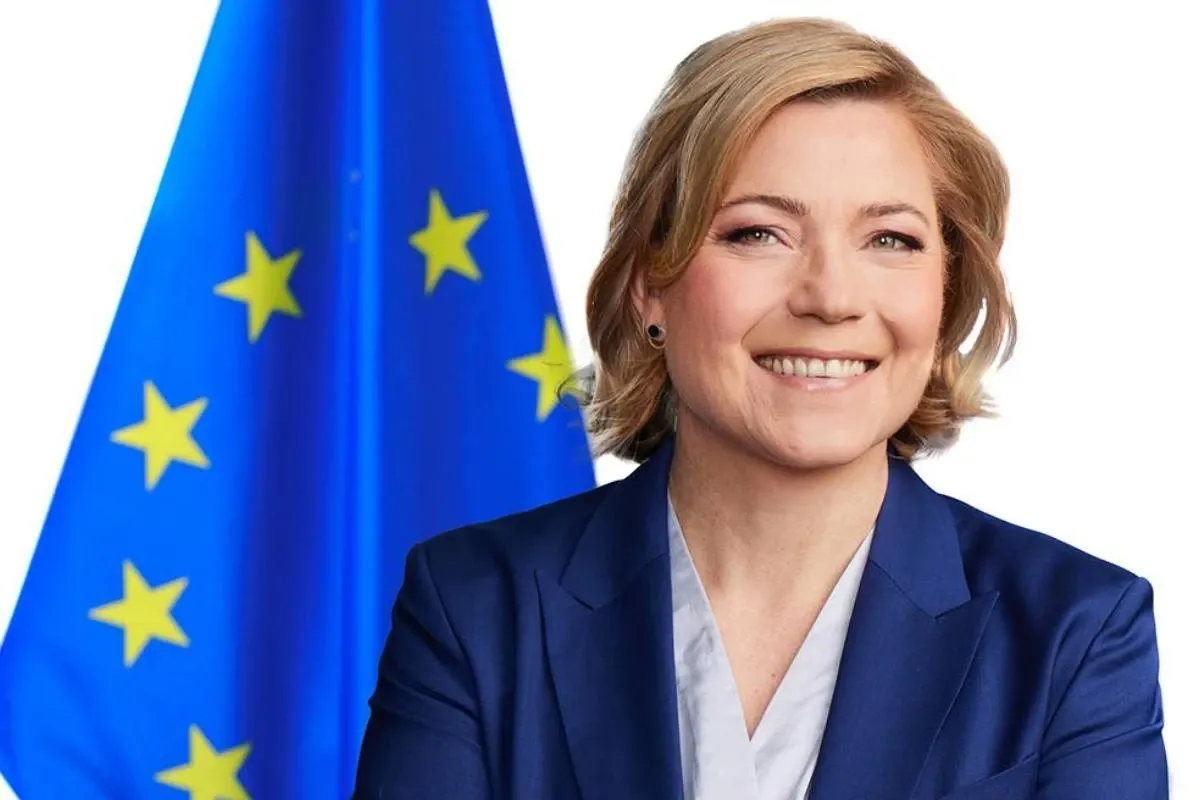
European Commission EVP Henna Virkkunen unveiled a proposal to allocate the 2GHz spectrum band for mobile satellite services. According to her announcement, the largest share would be reserved for companies based in the EU.
Under the plan, the EC would allocate a third of the spectrum for government and critical communications use, with the remainder available for commercial applications, including direct-to-device smartphone connectivity and IoT applications. Virkkunen stated the segment used for critical communications and government agencies would be awarded to an operator within the EU, which would be tasked with ensuring integration with the IRIS2 infrastructure.
Half of the proportion available for commercial use would be reserved for providers based in the EU, and the remainder would be open to bids from companies based anywhere. She noted that reserving allocations to local operators would encourage the diversification of suppliers and incentivise entry into the market. The EC is planning an EU-level selection process for the assignment of the spectrum to ensure regulatory consistency across the bloc and allow operators to provide cross-border services. Licences currently active for the band were allocated on an EU-wide basis.
Virkkunen said that the 2GHz band is foundational to providing satellite and terrestrial connectivity directly to our mobile devices, ensuring that all areas in the EU, and namely those where terrestrial networks are unavailable, are equipped with voice and internet connectivity. Noting that large networks of low Earth orbit satellites are becoming the space version of mobile towers, she added that they also pave the way for 6G.
“In short, this band is absolutely vital for our citizens, businesses, and governments alike,” Virkkunen added. She argued that the EC’s proposal would aid in achieving the aims to boost Europe’s competitiveness and security, along with embracing new technological possibilities. Although opening the way for big-name US operators, the move to reserve a large proportion for EU-based entities fits with a recent push around technology sovereignty and attempts to bolster local companies.
European Commission EVP Henna Virkkunen unveiled a proposal to allocate the 2GHz spectrum band for mobile satellite services.
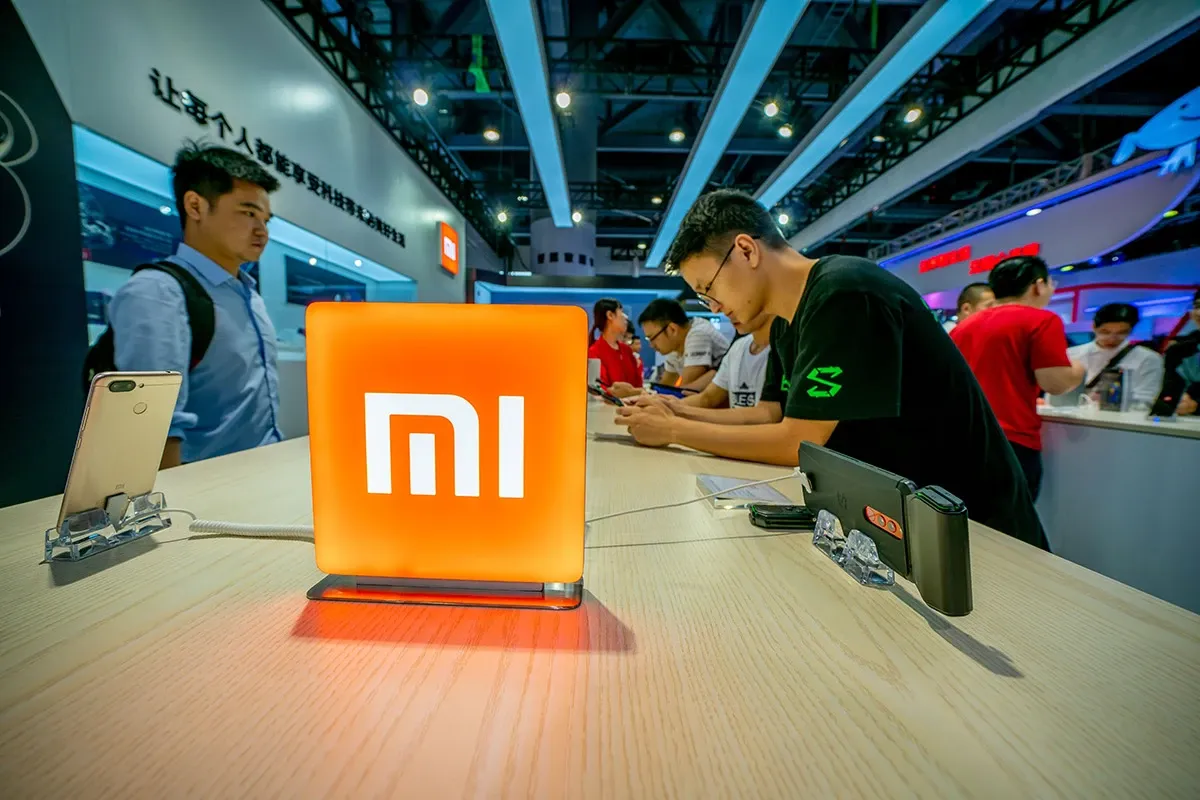
Xiaomi confirmed a 19% year-on-year drop in smartphone shipments in the first quarter of 2026.
The EU made limited progress in securing access to details of vulnerabilities that Anthropic’s Mythos AI model could reveal.