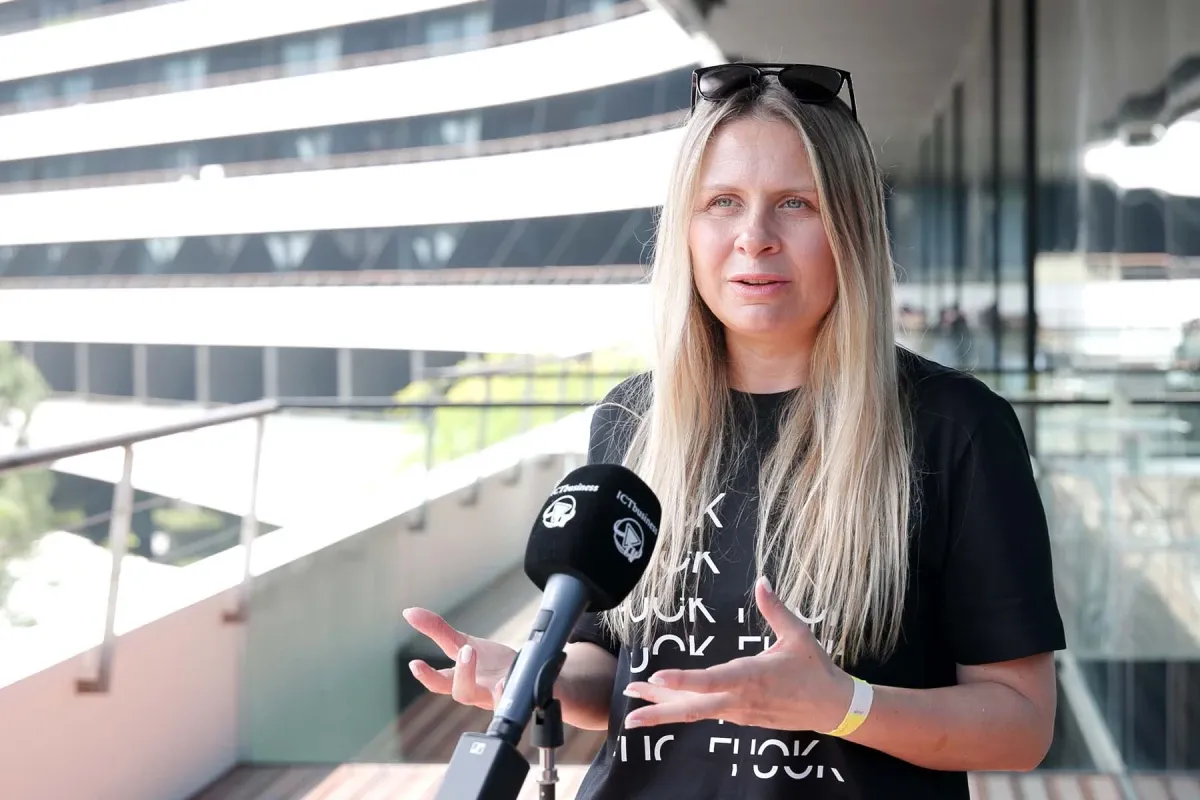
Croatia’s data center market is no longer a narrow infrastructure niche. It is becoming part of a much broader discussion about digital sovereignty, artificial intelligence, and the ability of the domestic economy to keep data, services, and development within a controlled technology environment. Filip Olujić, director of DataBox, sees this shift from the perspective of a Croatian operator and investor: the market is moving from individual projects and informal cooperation toward a more structured ecosystem in which data centers, suppliers, integrators, public administration, and users need to speak the same language.
Olujić says the Croatian Data Center Association was created out of a concrete market need. “The idea of the association came from the need to bring providers, operators, and other industry stakeholders together around a common vision for the development of the market in Croatia,” he says. In practice, this means connecting companies that build, maintain, and develop infrastructure solutions, while also creating a recognised counterpart for dialogue with the state and public administration.
This cooperation did not appear overnight. Olujić recalls that operators had already been exchanging very practical operational experience. “Five years ago, when we were looking for a supplier for a specific solution or maintenance segment in a data center, I often called colleagues from competing companies and asked who was working for them,” he explains. Through this exchange, specialised suppliers gradually emerged, and some companies learned about the data center segment through cooperation with operators.
He sees institutional visibility as an important step forward. “Today, the association has enabled the Government to recognise us as a partner for constructive dialogue,” Olujić notes, pointing in particular to the openness of the Ministry of Justice, Public Administration and Digital Transformation. The association’s conference was therefore a logical next step: a message that Croatia has serious stakeholders capable of building and developing this part of the market.
DataBox is not speaking about the industry only in general terms, but through its own investments. The company is expanding its existing one-megawatt data center and plans to bring it to two and a half megawatts of capacity. “We decided to expand the existing data center because, at the same location, we need to provide capacity for customers that are also growing,” Olujić says. The change in market requirements is visible in equipment density as well: the original design was based on two kilowatts per rack, while the expansion is being designed for eight kilowatts per rack.
Alongside the expansion of its existing facility, DataBox is developing DC2, a new data center project of more than ten megawatts, which Olujić says is already in an advanced preparation phase. The reason is not only capacity growth, but also a change in the type of services the market now requires. DataBox has also entered into a partnership with Datum, where it sees additional value in covering a broader layer of digital sovereignty.
“We do not want to be only a data center provider for an AI company; we want to create additional value,” Olujić says. That added value includes proprietary virtualisation, proprietary infrastructure, and closed environments in which agents can be integrated into customer processes without data leaving a controlled system. In the same direction, the company is developing GPU as a service for businesses building AI solutions that need local infrastructure and full support.
Olujić also warns that public discussion often mixes traditional colocation data centers with large AI data centers. “AI data centers are a completely different segment,” he says, adding that such facilities are built for very specific customers and workloads. Croatia, however, also needs smaller domestic data centers that support local users, regulated industries, and the development of digital services.
Over the next five years, Olujić expects continued growth in the Croatian market. “It is certain that new colocation data centers will be built in Croatia,” he concludes. Croatia still lags behind more developed markets, but that gap can narrow. If the country positions itself well, part of the investment currently constrained by energy and regulation in major European cities could also move into the Croatian market. That makes data centers not only a technology infrastructure, but an important industrial issue for the next phase of digital development.