G7 Summit Brought US-EU AI Cooperation into Focus
European Commission President Ursula von der Leyen called for closer US-EU cooperation on AI at the G7 Summit in France.

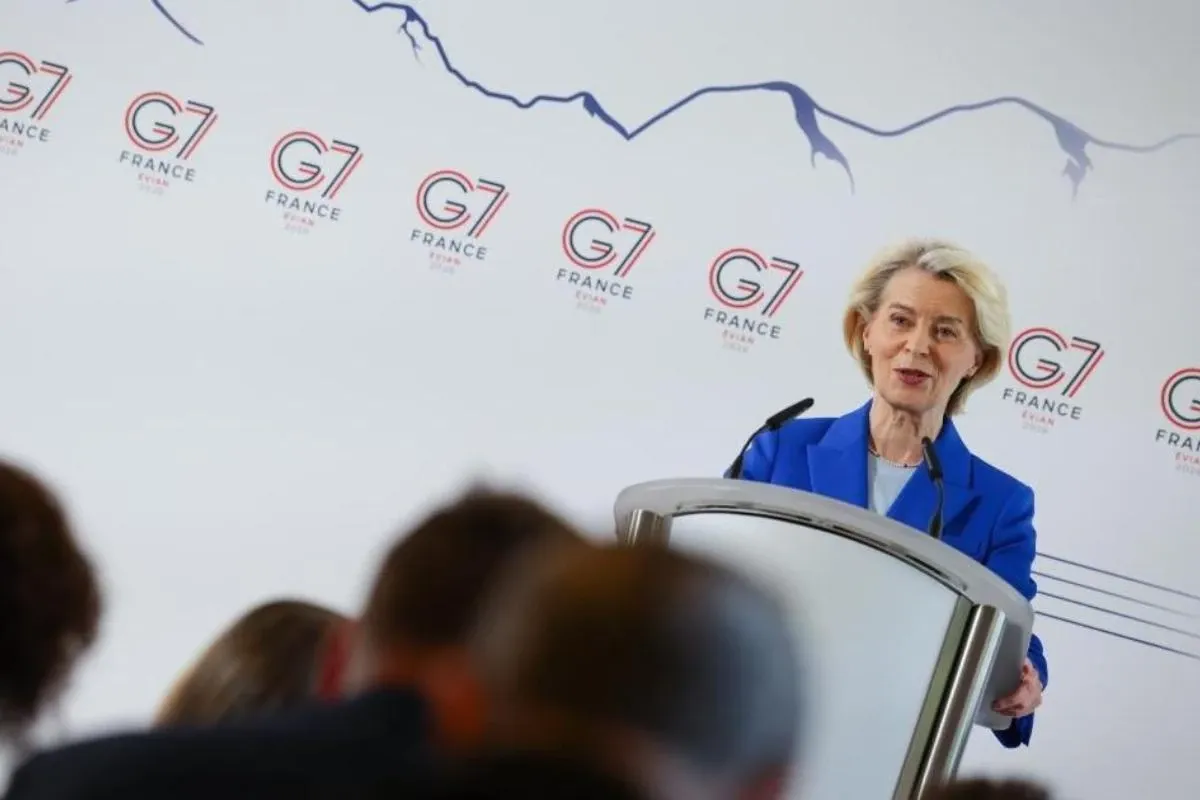
European Commission President Ursula von der Leyen called for closer US-EU cooperation on AI at the G7 Summit in France. She argued that both sides have a shared interest in accelerating adoption and ensuring powerful models are introduced safely.
In a post on X following a roundtable with partner countries and AI business executives, von der Leyen stated that AI is developing exponentially and described it as the most important technology of our time. She said that the technology comes with immense potential, but also risks for free, democratic societies, adding that the EU and the US should work together because they represent 70% of the world market. Von der Leyen framed AI safety as a shared interest, stating: “We use each other’s trusted technology, and our financial systems are interconnected. “It is in our mutual interest that our citizens and companies can safely use the best AI models.”
The remarks follow a US government order issued earlier this week directing Anthropic to suspend access to its most advanced AI models, Fable 5 and Mythos 5, for foreign nationals over national security concerns. Although the Trump administration’s letter targeted foreign nationals, Anthropic said compliance would have required verifying the nationality of every user. It therefore shut both models down entirely for all customers. In an AI sovereignty push earlier this week, French Prime Minister Sebastien Lecornu argued: “We cannot rely on the goodwill of certain partners who, as we have seen in recent days, are capable of cutting off access to the Anthropic model.”
On the issue, von der Leyen said at the summit that the key question of today is how to introduce new models safely, calling for G7 countries to exchange information and cooperate through independent entities evaluating models before market release. She also highlighted adoption as a competitive priority, stating that the EU and the US are at par in terms of AI adoption but that the bloc wants its own AI future, not in isolation, but together with trusted partners.
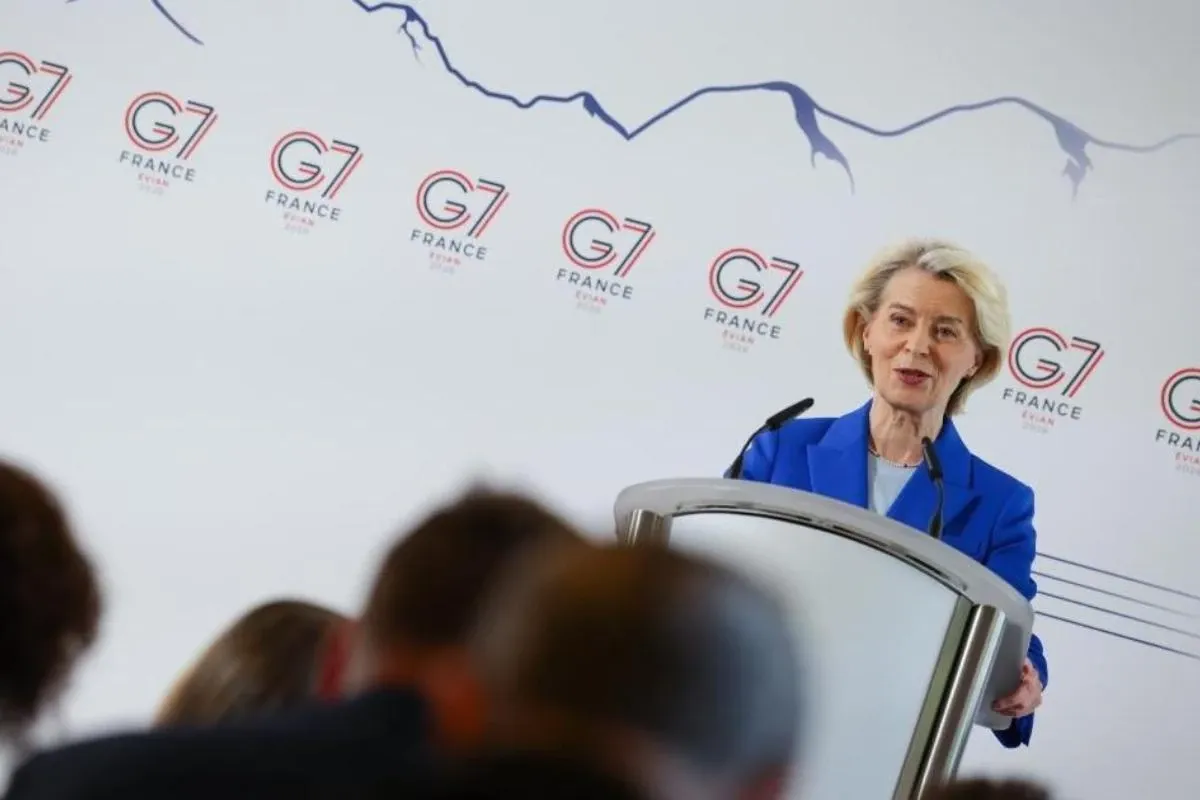
European Commission President Ursula von der Leyen called for closer US-EU cooperation on AI at the G7 Summit in France.

Across Central and Eastern Europe, the conversation around cybersecurity and enterprise AI is changing fast. It is no longer enough to buy another isolated tool, run another disconnected security project, or treat AI as a standalone experiment.
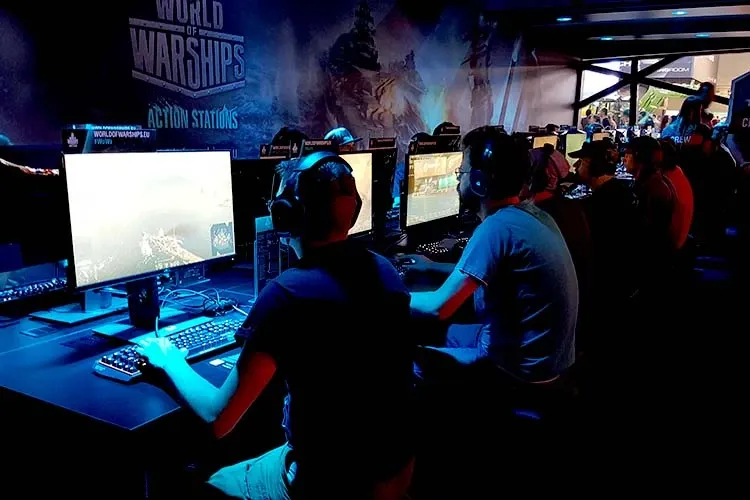
The European Commission stated it would engage with consumers and publishers by the end of this year to explore ways to improve industry standards for video games.