


Marvell Gives Google Right to Buy $12 Billion Stake
Marvell Technology has issued Google a warrant to buy a stake worth around $12.2 billion as part of an expanded deal to develop custom chips for the search giant.
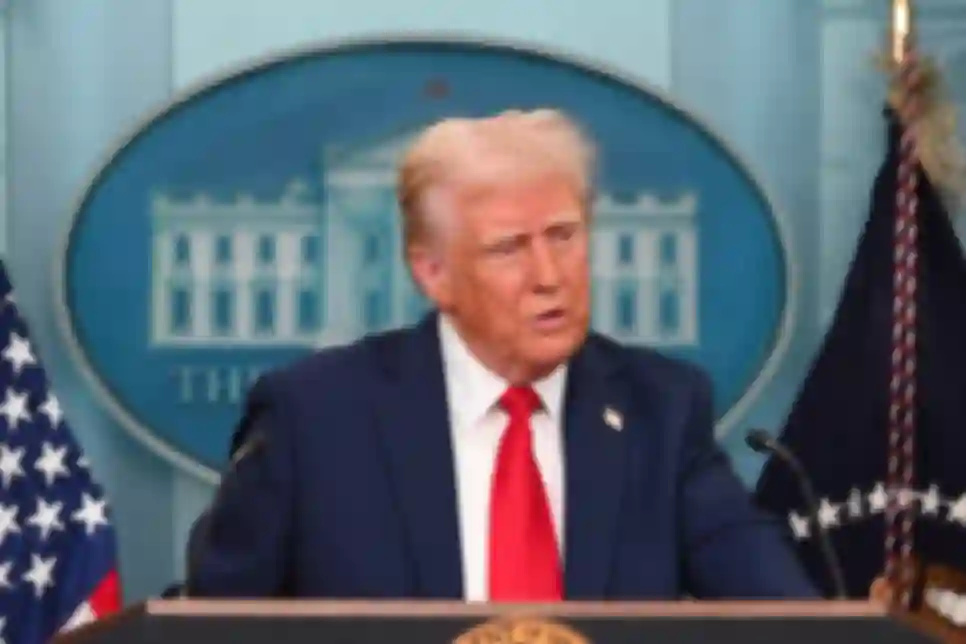
The US administration unveiled its national AI legislative framework that aims to create uniform security and safety guardrails while also attempting to preempt states from enacting their own rules. The framework focuses on six policy priorities related to AI products and infrastructure.
Those policies include new child-safety rules enforced by parents, requiring AI companies to generate power on-site for their data centers, and asking Congress to address intellectual property rights issues. It also calls for Congress to prevent AI systems from being used to silence or censor lawful political expression or dissent.
The administration is also urging Congress to modernize regulations, speed up AI adoption across industries, and expand access to testing environments needed for developing and deploying advanced systems. Lastly, the framework wants US citizens to benefit from AI‑driven growth and is asking Congress to boost workforce training to create new opportunities and jobs.
“The Federal government is uniquely positioned to set a consistent national policy that enables us to win the AI race and deliver its benefits to the American people, while effectively addressing the policy challenges that accompany this transformative technology,” the White House stated. “The Administration looks forward to working with Congress in the coming months to turn this framework into legislation that the President can sign.”
While the framework appears to loosen the reins on companies, the attempt to be the ultimate gatekeeper for the AI industry will face political opposition in the US, as states have been pushed to enact their own regulations. The administration noted the framework will only work if implemented consistently nationwide.
It contends that differing state laws would weaken US innovation and hinder national leadership in the global AI competition. The framework follows an executive order issued by US President Donald Trump in December 2025, which outlined his plan to wrest control of AI regulations and policies away from individual states.

Marvell Technology has issued Google a warrant to buy a stake worth around $12.2 billion as part of an expanded deal to develop custom chips for the search giant.
DeepSeek released an experimental multimodal model.

TikTok and its parent company, ByteDance, agreed to pay $400 million to settle a US Department of Justice (DoJ) litigation.


