Infobip and Haas F1 Team Unveil RaceMate App
Infobip and TGR Haas F1 team are launching Team RaceMate, an AI-powered conversational fan companion on Apple Messages for Business and WhatsApp Business Platform.

Systems integrator Future Technologies Venture and Ericsson unveiled an extended collaboration. The pair has positioned modern wireless connectivity technology as critical infrastructure to support growth in industrial AI uses.
The partners aim to help accelerate the adoption of private 5G and other wireless networks across what they term critical North American industries. In a statement, Future Technologies Venture asserted the companies believe enterprise wireless systems are a “foundational layer” providing the basis for modernisation of physical industries using AI.
Citing manufacturing, logistics, energy infrastructure, and transport sectors as examples, it added that industries require secure, resilient, and deterministic connectivity capable of supporting real-time data movement between connected devices, edge computing platforms, and centralised cloud systems. Devices requiring reliable connectivity include sensors, cameras, autonomous systems, vehicles, and those carried by mobile workers generating operational data.
The increase in use of these assets is creating a growing gap between AI compute capacity and the enterprise networks designed to support it, the integrator noted, adding that companies are increasingly turning to private 5G and enterprise wireless WAN to meet requirements. In terms of the expanded partnership, Ericsson is set to provide its expertise and products in enterprise wireless, while Future Technologies Venture is to cover the integration side, including strategy, architecture, and deployment.
Ericsson SVP and head of business area Enterprise Wireless Solutions, Asa Tamsons, noted that AI is moving into the physical world and that fundamentally changes the role connectivity plays inside enterprises. “Enterprise wireless is becoming foundational infrastructure for AI-driven operations. Our collaboration with Future Technologies strengthens Ericsson’s ability to help organisations deploy the networks required to power the next generation of industrial innovation.”
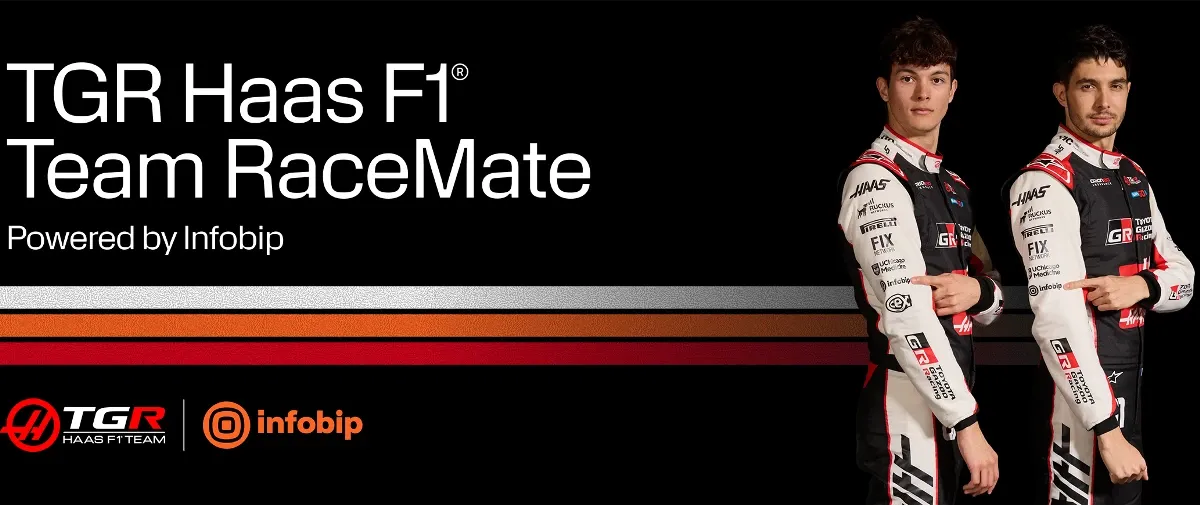
Infobip and TGR Haas F1 team are launching Team RaceMate, an AI-powered conversational fan companion on Apple Messages for Business and WhatsApp Business Platform.

Telefonica unveiled a domestic end-to-end drone service in Spain.

As the global economy faces the need for greater transparency, electronic invoices offer a solution that satisfies both tax authorities and private entrepreneurs.