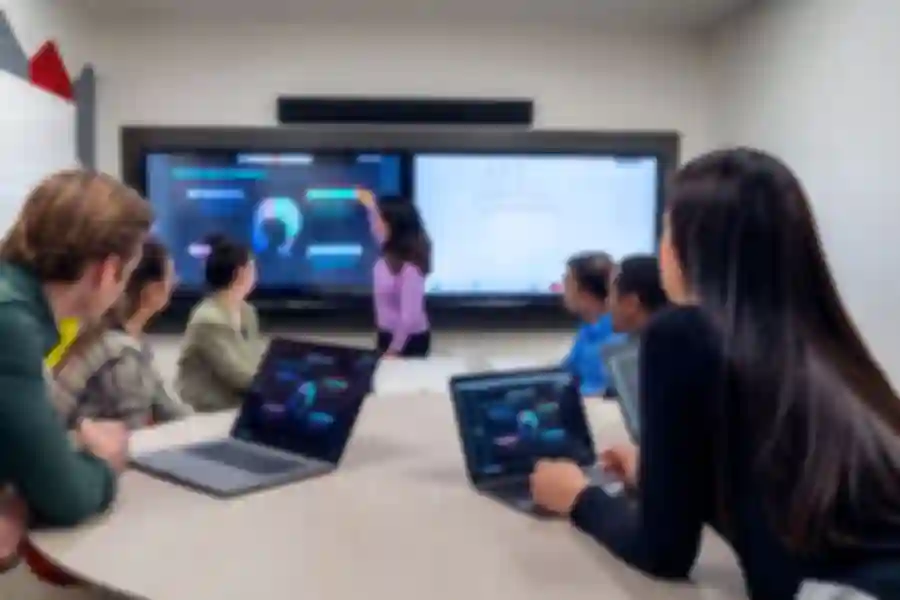
To give businesses more choice, convenience and flexibility, Intel now offers the Intel Unite solution in the cloud, as well as on premise. The new service delivers the same features organizations can expect from the on-premise offering. But instead of spending time and resources to manage a server, this function is now deployed in the cloud, potentially minimizing infrastructure costs and IT overhead.
“Intel Unite is in a unique position to unify the collaboration experience for businesses, by providing a common, easy user experience in every collaboration space. The new service makes our collaboration vision accessible to organizations of all sizes to have flexibility, convenience and choice when deploying the Unite solution, whether that is in the cloud or on premise,“ said Jason Goecke, Intel vice president and general manager of Intel Unite.
The Intel Unite solution helps to modernize meeting spaces. The low-maintenance manageability of the solution gives IT teams more flexibility to focus on other technology priorities. The potential cost and resource savings can help the entire organization and increase productivity for employees by improving meetings. Today, there are nearly 1 million Intel Unite solution-based units being used across organizations globally.
Built on top of the vPro platform, the Intel Unite solution is designed with built-in security, stability and manageability features. With advanced telemetry, IT and facilities management also have access to a broad set of data, from meeting room hardware and connectivity to room usage. Intel Unite is designed to work seamlessly with major unified communication solutions like Skype for Business, Cisco WebEx and Zoom, enabling organizations to have similar room experiences across their collaboration spaces.
Telecom operators approach AI from two directions: as providers of infrastructure for the digital transformation of other industries and as organisations embedding AI into their own processes. A1 Hrvatska has moved from prototypes to concrete products, from customer support to sovereign European cloud services. Daniel Šimić says workforce profiles are also changing, with fast learning, customer understanding and adaptability becoming more important.
Burra was created as a platform for consolidating IT services companies in Southeast Europe, with a commercial focus on Western Europe and the United States. Its first members, Devōt, Tacta and CoreLine, continue to run their existing businesses while integration is planned gradually, primarily through new projects. Sven Marušić says the aim is not to turn founders into corporate employees, but to build a larger organisation in which they remain shareholders and drivers of growth.
Telecom operators are no longer using AI only for network optimisation and routine operations. They are applying it to faster product development and customer conversations. Matija Ražem says AI enables prototypes in hours, quicker market testing, and automation of many standard support questions. The next step may be a world where personal digital agents interact with agents from telecoms, banks and other large organisations.