
A1 Hrvatska and ENT Continue Cooperation
A1 Hrvatska and Ericsson Nikola Tesla are strengthening their long‑standing partnership by signing a new multi‑year agreement for the modernization and expansion of A1 Hrvatska’s radio access network.

A1 Hrvatska and Ericsson Nikola Tesla are strengthening their long‑standing partnership by signing a new multi‑year agreement for the modernization and expansion of A1 Hrvatska’s radio access network.
Social media advertising revenue is projected to rise at a compound annual growth rate (CAGR) of 12% over the next five years, reaching $640 billion by the end of 2030, according to Omdia.
Deutsche Telekom added 81 mobile sites and upgraded capacity at 548 existing locations in Germany.
The regulation of artificial intelligence is moving away from theoretical debate and entering the field of concrete liability, especially when algorithm-driven systems can cause harm to life, health, or property, says Stefan Martinić, a lawyer focused on the legal aspects of new technologies.
Cybersecurity is no longer a topic companies need to be convinced about, but a field in which the market increasingly feels the shortage of experienced experts, the rise of attacks, and the need for a more comprehensive approach to protection, says Hrvoje Englman, Head of Information Security at Span.
By 2028, 25% of all enterprise GenAI applications will experience at least five minor security incidents per year, up from 9% in 2025, according to Gartner.
The debate about cybersecurity today is almost inseparable from the debate about artificial intelligence, but the focus on new tools must not obscure the fact that many attacks still happen because of basic weaknesses, says Joe Tidy, the BBC journalist specialising in cybercrime and ransomware attacks.
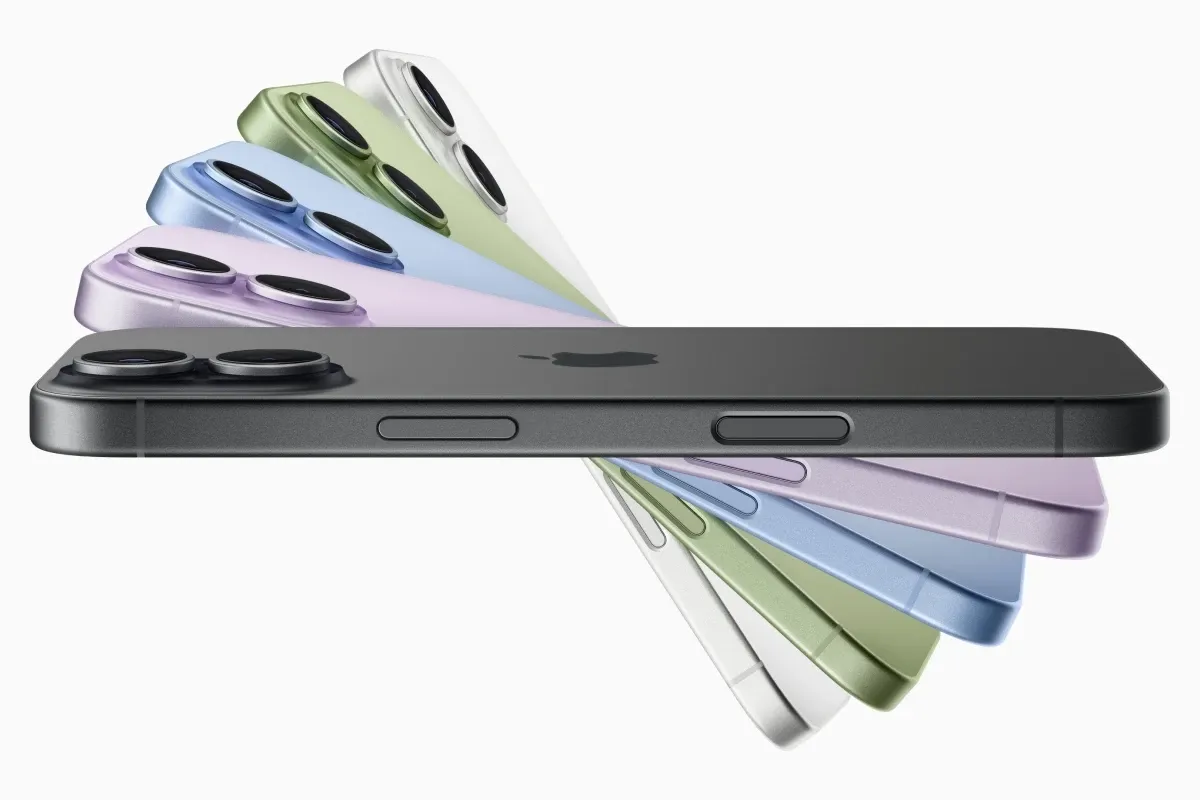
Omdia has revealed that the European smartphone market (excluding Russia) grew 2% to 33.0 million units in 1Q26.
European directives, local laws, and new compliance requirements have opened the door to more serious management of cybersecurity risks, but they have also brought uncertainty, superficial interpretations, and fragmented solutions to the Croatian market, says Antonija Vojnović, Head of the Governance, Risk and Compliance Department at Span.
Layoff discussions among influencers signal a surging moment where workforce budgets are being diverted into massive digital infrastructure for staying ahead in the tech race, according to GlobalData.
Croatia’s data center industry is at a point where it must decide whether it will remain a local market of smaller infrastructure projects or use the opportunity to position itself more seriously on Europe’s digital infrastructure map.
A new study from Juniper Research has found that the total value of cross-border B2B stablecoin transactions will reach $5 trillion by 2035, from $13.4 billion in 2026.
Ericsson Nikola Tesla has recently signed a series of new contracts in the areas of digital transformation, mission-critical systems, and business communication systems.
Deutsche Telekom and SAP, as the top-ranked bidder, have been awarded the contract by the Federal Ministry for Digitalization and State Modernization (BMDS) for the tender “Provision of PaaS services for AI applications on a high-performance, secure, and sovereign cloud platform.”
Samsung and Google unveiled a pair of smart glasses designs set to be released in selected markets later this year.
Croatia’s data center market is no longer a narrow infrastructure niche. It is becoming part of a much broader discussion about digital sovereignty, artificial intelligence, and the ability of the domestic economy to keep data, services, and development within a controlled technology environment.
A new study by Juniper Research has found that the number of businesses deploying post-quantum cryptography (PQC) algorithms will exceed 100 million by 2035 globally.
Poland has become one of Europe’s most dynamic data centre markets in just a few years, and its development is increasingly seen as a model for digital infrastructure investment.
Worldwide spending on edge computing reached $265 billion in 2025, expected to nearly double by 2029, according to IDC.
Croatia’s data centre industry is entering a phase in which individual infrastructure projects are no longer the only issue.