HUAWEI Presents the Tau (τ) Scaling Law
In recent years, Moore's Law, which has guided the semiconductor industry for more than five decades, has faced severe physical limits and diminishing economic returns.

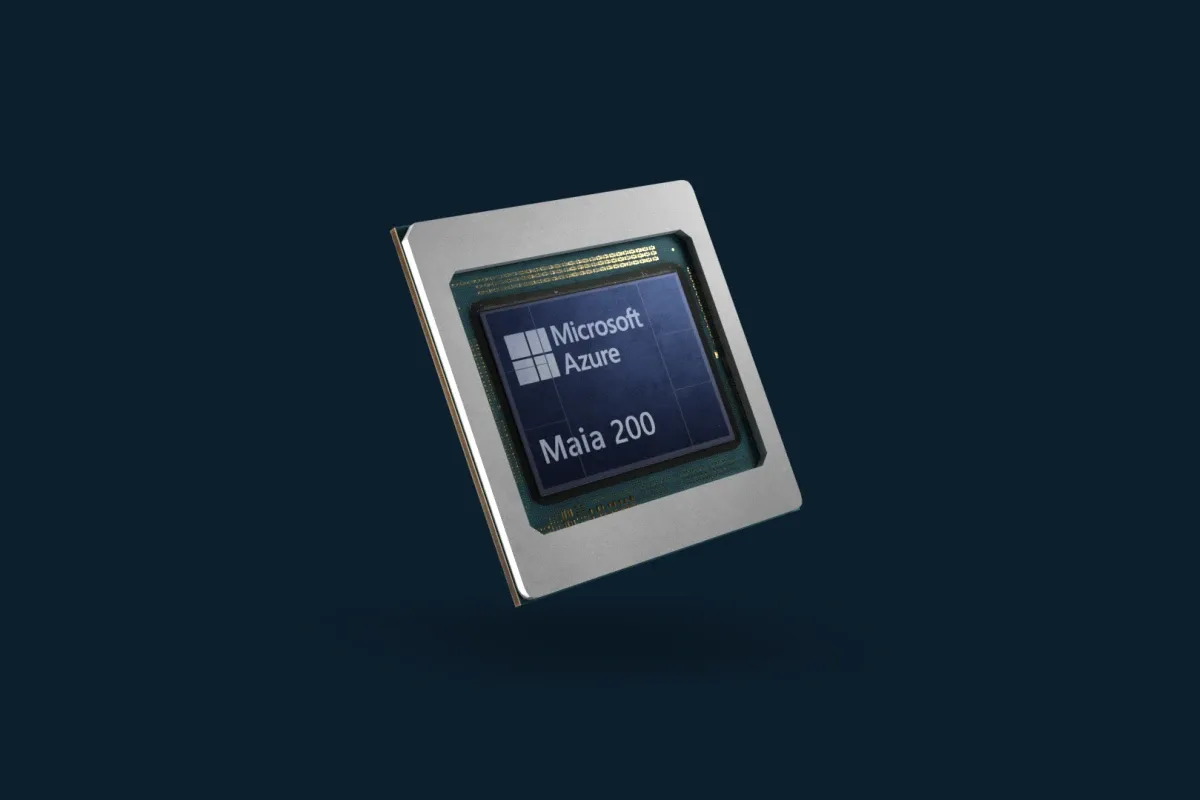
Microsoft introduced a second-generation AI chip to improve the efficiency of its services. The Maia 200 chip is Microsoft’s new high‑performance AI inference accelerator.
The company stated that the new chip is built on TSMC’s 3nm process. It is designed to improve the cost and speed of AI token generation significantly. The chip features FP8/FP4 tensor cores, 216GB of HBM3e delivering 7 Tb/s bandwidth, and 272MB of on‑chip SRAM, making it the tech giant’s fastest and most efficient in‑house silicon to date. Each Maia 200 chip contains over 140 billion transistors, delivering over 10 petaflops in 4-bit precision and approximately 5 petaflops of 8-bit performance.
“This makes Maia 200 the most performant, first-party silicon from any hyperscaler, with three times the FP4 performance of the third-generation Amazon Trainium, and FP8 performance above Google’s seventh-generation TPU,” stated Microsoft’s Scott Guthrie, EVP for cloud and AI. Guthrie stated that developers, academics, AI labs, and people contributing to open-source AI models can apply for a preview of a software development kit. The new chip is deployed in Microsoft’s central data center region in the US state of Iowa, with another rollout scheduled for its data center region near Phoenix, Arizona.
Guthrie explained that the Microsoft Superintelligence team will use Maia 200 for synthetic data generation and reinforcement learning to improve next-generation in-house models. The chips will also be used to power Microsoft’s Copilot assistant for businesses and AI models such as OpenAI’s GPT‑5.2. “Maia 200 is also the most efficient inference system Microsoft has ever deployed, with 30% better performance per dollar than the latest generation hardware in our fleet today,” Guthrie said.
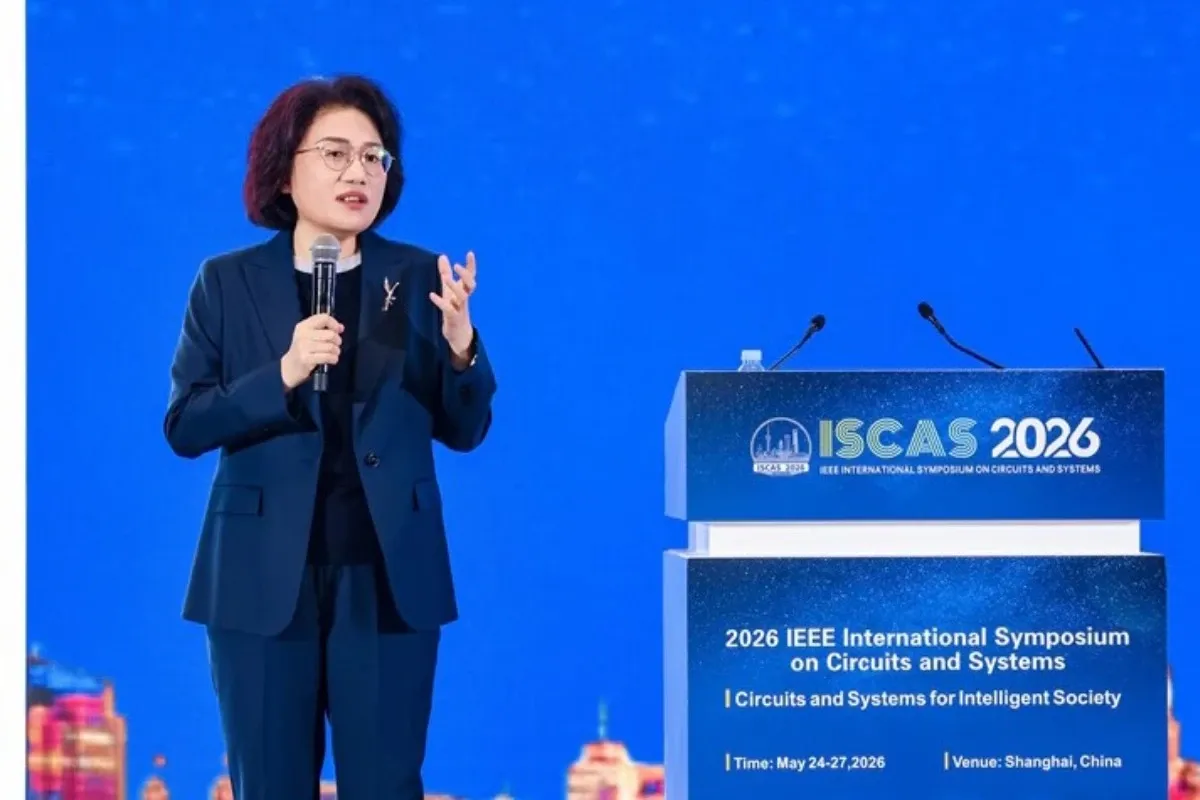
In recent years, Moore's Law, which has guided the semiconductor industry for more than five decades, has faced severe physical limits and diminishing economic returns.
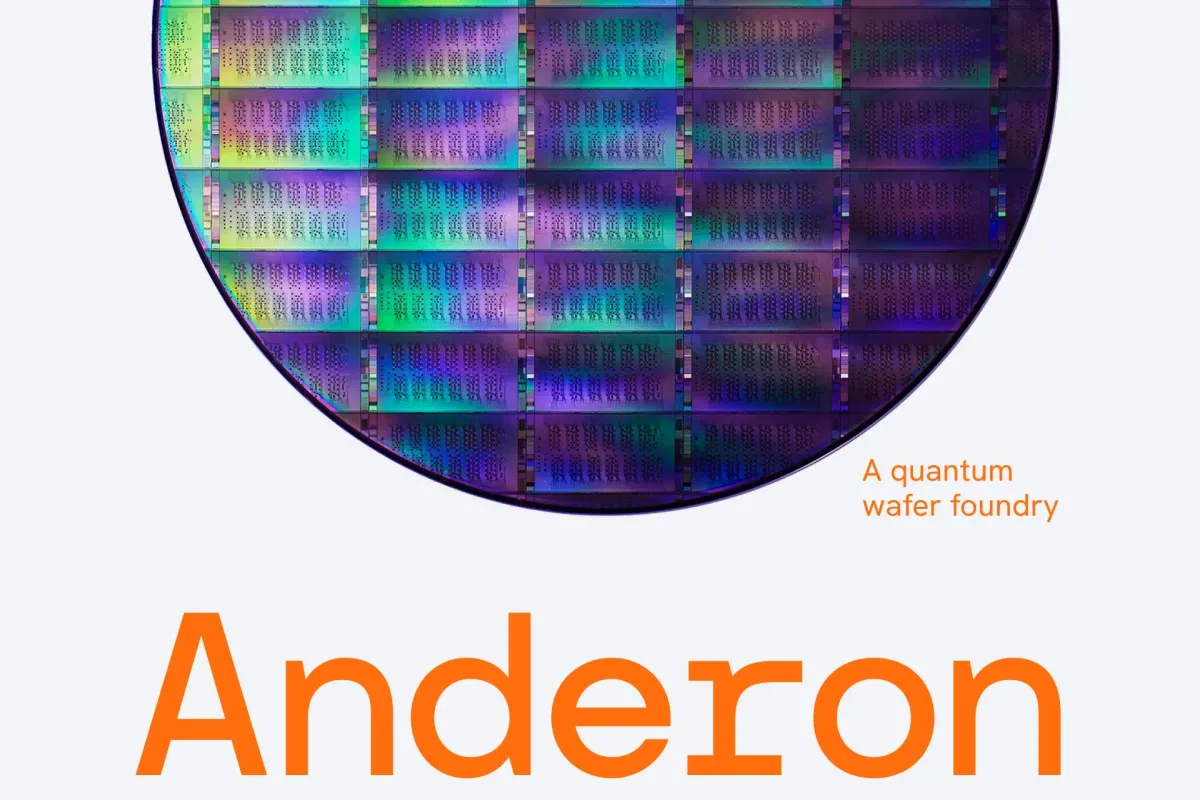
IBM and the US Department of Commerce (DoC) announced a Letter of Intent to build an American quantum chip foundry.
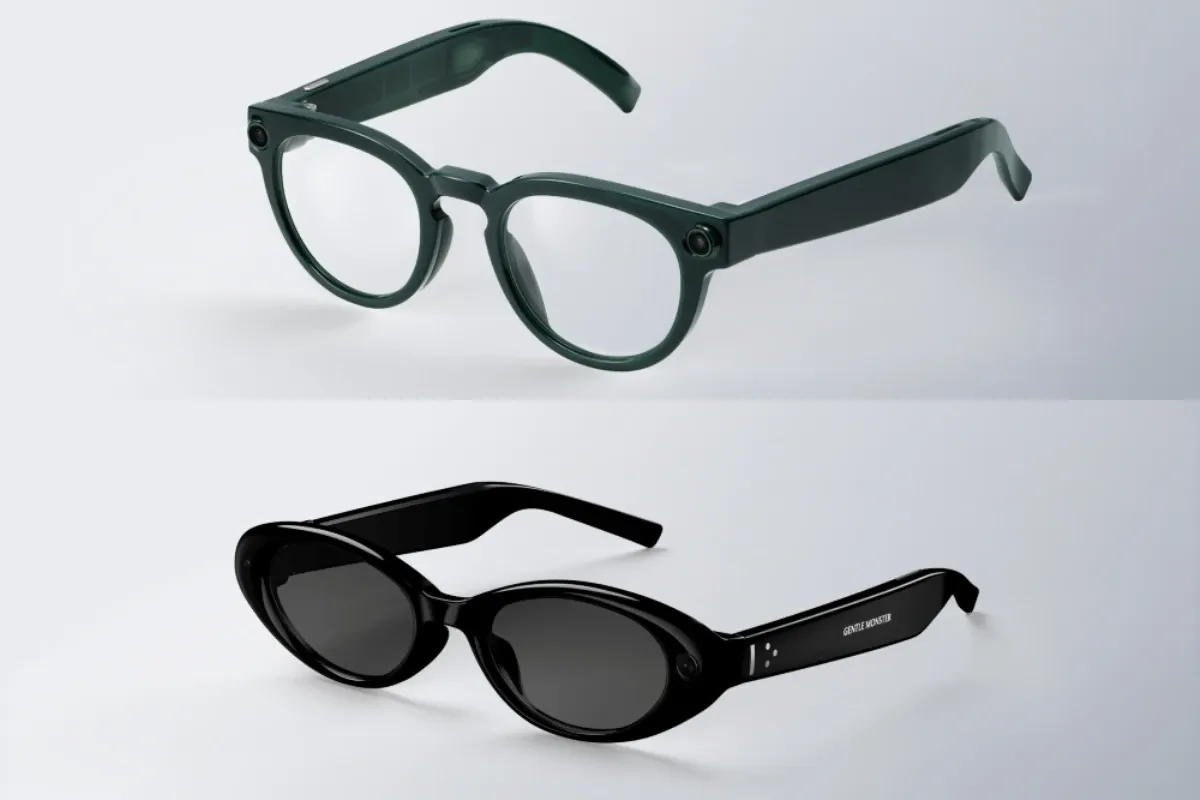
Samsung and Google unveiled a pair of smart glasses designs set to be released in selected markets later this year.