French and Polish Companies Combine on Satellite Defence Project
French company Thales Alenia Space signed an agreement with Polish Radmor and Airbus to develop a telecoms defence satellite for the Polish armed forces.

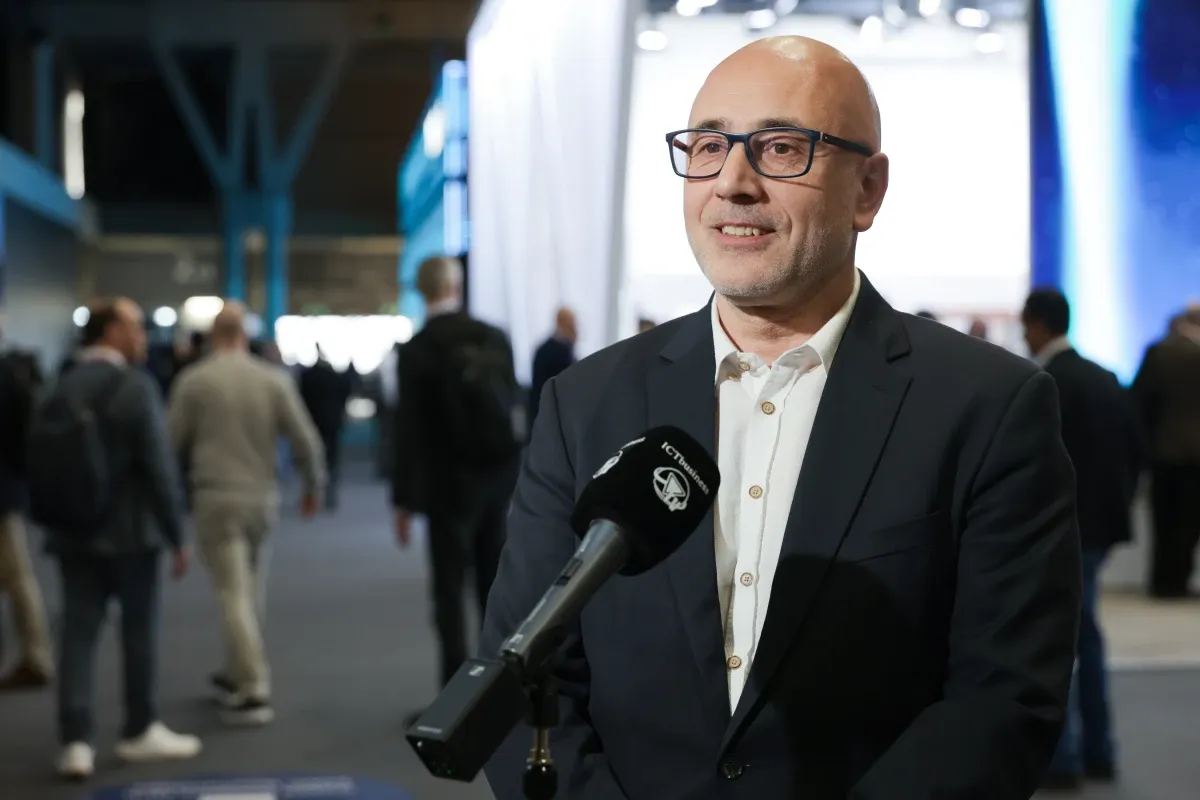
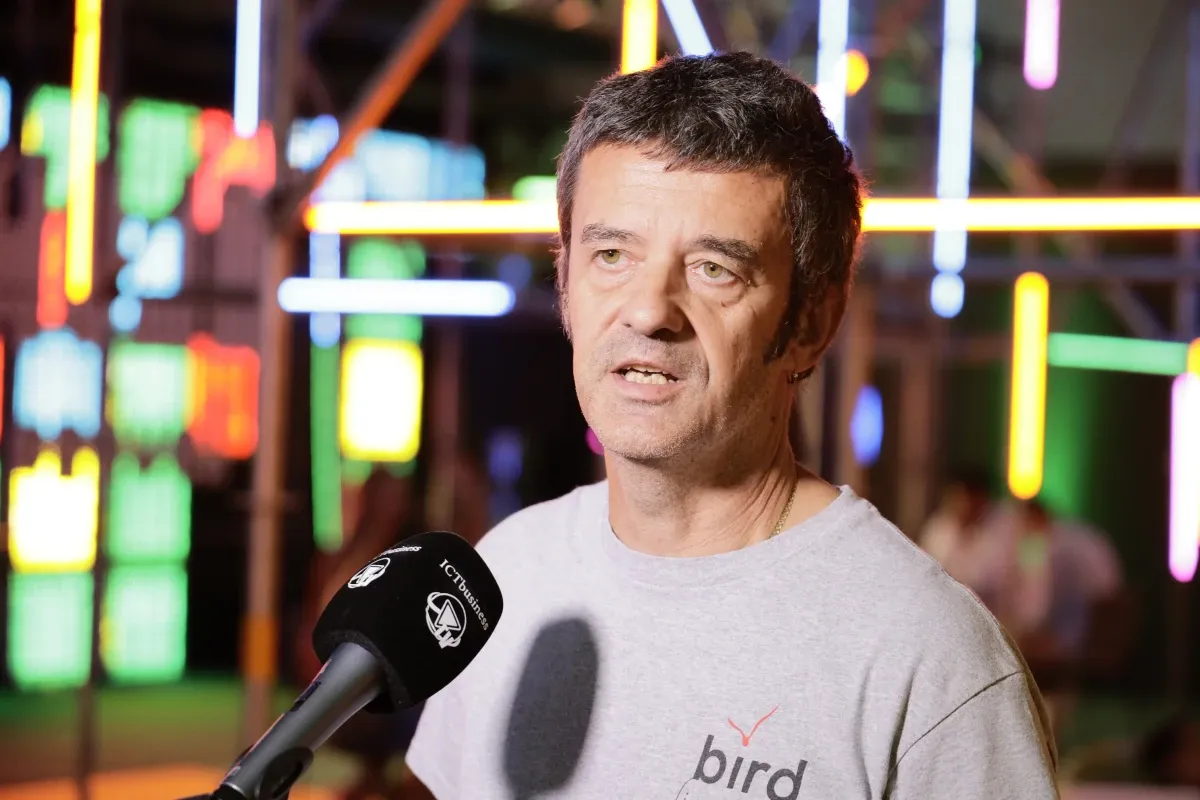
Managing radiofrequency spectrum is no longer a narrow technical issue relevant only to regulators and telecom operators. It is a limited national resource that shapes the quality of radio and television reception, the rollout of mobile networks, and the technological capacity of the market in the years ahead. That is why the conversation for ICTbusiness Media with Danijel Vidaković, Head of the RF Spectrum Management Department at HAKOM, opens two critical themes: long-running cross-border interference from Italy and spectrum planning for the further development of 5G and the future arrival of 6G.
Vidaković starts from a simple premise: the spectrum is not infinite. “That part of the spectrum is very limited,” he says, stressing that pressure on this resource is increasing because both broadcasting and mobile networks depend on it. In Croatia, that pressure has been most visible for years through interference from Italian radio stations affecting reception along the Adriatic coast. While the issue of television frequencies was, as he explains, successfully resolved in 2022 after a long process involving European institutions, analogue FM radio remains unresolved. “That is the part most strongly felt by citizens, but also by industry,” Vidaković says.
HAKOM sees the problem as the result of years of uncoordinated use of frequencies by Italian broadcasters. “The interference has lasted for decades,” he says, adding that from the Croatian perspective, such use is not aligned with international telecom rules and regional agreements. After progress had been made on the television side, Croatia launched a similar procedure for FM radio. “We asked the European Commission for help in finding a cross-border solution,” Vidaković explains. Yet despite years of discussions and repeated commitments from the Italian side, no concrete breakthrough had been achieved by the start of this year.
That is why the European Commission stepped up the pressure at the end of last year. Vidaković says the Commission sent Italy a letter in November over a possible breach of EU rules and asked for a formal response on “what they plan to do” and within what timeframe the interference could be resolved. This gave the issue wider European significance, especially because Croatia is not the only country affected. “Let us not forget, it is not only Croatia, but there is also Slovenia, France, and Malta,” he says. The Commission now has three possible paths, he adds: accept Italy’s proposal, demand modifications, or escalate the case to the European Court of Justice. “I hope this is a serious enough signal for Italy,” Vidaković says.
The second major layer of the discussion concerns mobile networks and future market development. Vidaković notes that HAKOM assigned spectrum for 5G back in 2021 through what he calls the “three pioneer bands”, while in 2023 it renewed licenses for older legacy bands used by operators in their 5G deployment. “I can say that things are going well in Croatia,” he says. At the same time, he acknowledges that 5G Stand Alone has still not been launched in the domestic market. “Everyone would like it to start, but it requires additional investment,” he says, noting that Croatia is not an exception because the same issue exists across the European Union.
When it comes to the next generation of networks, attention is increasingly shifting to the upper 6 GHz range. Vidaković says this band is “most often associated with the introduction of 6G”, and that mobile industry players are likely to secure a substantial portion of new spectrum there. Other frequency bands are also being discussed, but for now, it is clear that regulators must solve inherited cross-border problems while also planning resources for future technologies.
The broader implication goes far beyond one interference dispute or one network generation. Spectrum today is simultaneously a question of citizens’ everyday media experience, telecom market competitiveness, and a country’s readiness for the next technology investment cycle. That is why RF spectrum management is becoming one of the most important, and still too often overlooked, issues in digital infrastructure.

French company Thales Alenia Space signed an agreement with Polish Radmor and Airbus to develop a telecoms defence satellite for the Polish armed forces.

Orange, Bouygues Telecom, and Free-Iliad Group have sent a new offer worth €20.4 billion to buy rival SFR from Altice Group and split the assets.

Supermarket chain Lidl is planning to expand its MVNO footprint to a potential 30 countries.