


SES Launches Final Three O3b mPOWER Satellites
SES has successfully launched the final three satellites required to complete its 13-node O3b mPOWER medium Earth orbit (MEO) constellation.
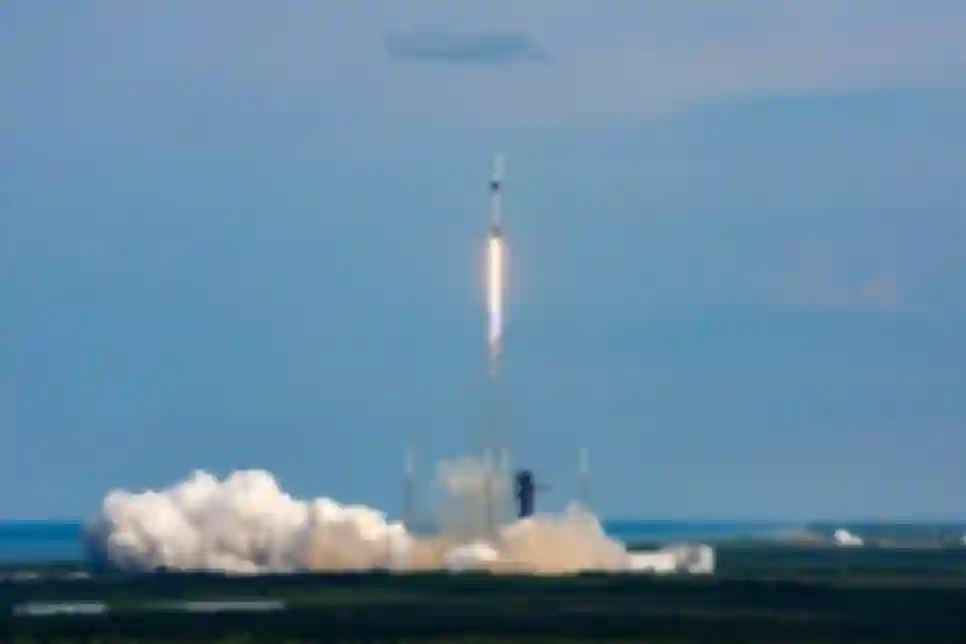
SES has successfully launched the final three satellites required to complete its 13-node O3b mPOWER medium Earth orbit (MEO) constellation. This deployment represents a significant expansion of the company’s high-performance connectivity offerings, specifically targeting the requirements of enterprise clients, cloud service providers, government agencies, and mobile network operators.
The company is currently in the commissioning phase for this final trio, with expectations that they will be fully operational by mid-2027. SES indicated that the additional satellites will extend the global availability of its high-performance connectivity, enhance the overall resilience of the O3b mPOWER network, and strengthen sovereign data capabilities and orbital data relay. CEO Adel Al-Saleh stated that “SES is combining multiple technologies and orbits to meet the needs of customers across various sectors. The satellites support SES’ work to deliver resilient, secure, and scalable connectivity.”
The satellites were carried into orbit via a SpaceX Falcon 9 rocket. The ten satellites already active in the constellation are capable of managing data rates ranging from tens of Mb/s to multiple Gb/s. This latest trio features software-defined payload technology from Boeing, which allows the systems to dynamically route bandwidth, adjust capacity in real time, and focus beam power to meet shifting demand.
Boeing noted that the existing O3b mPOWER infrastructure is already utilized by a diverse range of sectors, including the cruise line industry, commercial airlines, mobile operators, and various civil and government organizations. “Technology is at its best when it has a direct line-of-sight to human impact,” Ryan Reid, president of Boeing Satellite Systems International, declared. Reid added that these satellites provide the essential in-space baseline for a dual-use satellite architecture that Boeing has designed to function across multiple orbits.

SES has successfully launched the final three satellites required to complete its 13-node O3b mPOWER medium Earth orbit (MEO) constellation.

Eutelsat and A1 Group have officially renewed a multi-year, multi-transponder agreement, confirming their long-term commitment to Eutelsat’s primary 16° East video neighborhood.

Deutsche Telekom’s mobile network in Germany has secured the European title of “Most Consistent Mobile Network” at the latest Ookla Speedtest Awards.


