Intel to Repurchase Irish Plant Stake for $14 Billion
Intel will repurchase a 49% stake in its Irish Fab 34 plant held by a US-based investment company for $14.2 billion.

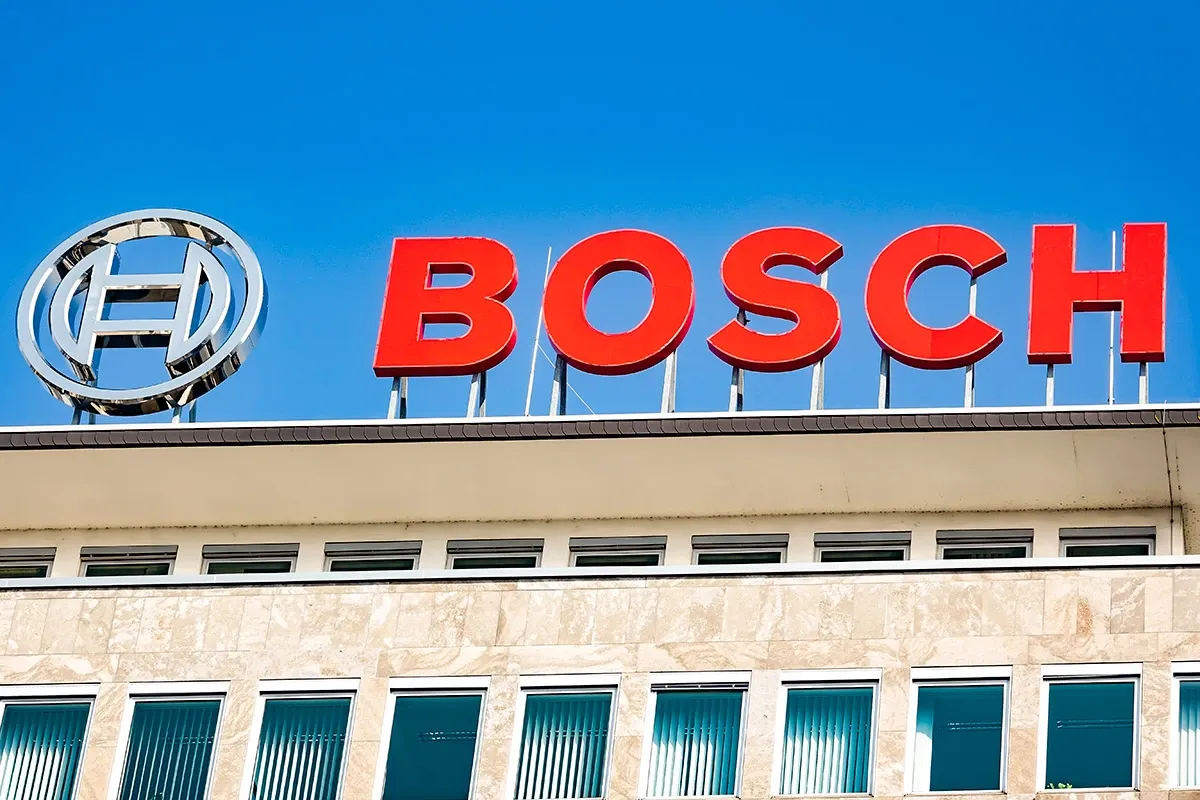
According to preliminary figures, Bosch's sales revenue in 2025 was up slightly on the previous year’s level at €91 billion (2024: €90.3 billion). After adjusting for exchange-rate effects, sales revenue grew by 4.2%. At around 2%, the EBIT margin from operations was below expectations (2024: 3.5%).
“The economic reality is reflected in our results – 2025 was a difficult and sometimes painful year for Bosch,” said Stefan Hartung, chairman of the board of management of Bosch. “In an unfavorable environment, we are continuing to work systematically on our growth strategy, which also requires us to strengthen our competitiveness. We are now setting our course for the future.”
According to Hartung, Bosch plans to continue to benefit from its global presence, its strong brand, and its technological expertise. However, the company anticipates increasingly intense competition under adverse economic conditions. Bosch does not expect to see significant improvements in individual markets until 2027.
The main reasons for the sluggish growth in the past financial year were the weak economic environment and the increasingly challenging market conditions. The result was negatively impacted by the lack of margins due to lower sales, as well as by increased tariffs and considerable provisions for necessary structural adjustments and the associated personnel measures.
This restructuring aims to ensure that the company remains economically robust, financially independent, and secure for the long term. To achieve this, Bosch still needs to generate annual sales growth of 6% to 8% with a margin of at least 7%. Given the current environment, the company now assumes that it will begin achieving its target margin of 7% in 2027 at the earliest, instead of in 2026.
“Bosch, too, clearly felt the effects of 2025’s weak global economy,” said Markus Forschner, member of the board of management and chief financial officer of Bosch. “Yet despite considerable uncertainties and trade barriers, we’ve been able to hold our own in most markets.”
At €56 billion, sales revenue in the Mobility business sector was up slightly year on year by 0.3%. The Industrial Technology business sector generated sales revenue of €6.5 billion. A marginal increase of 0.9% in sales meant it was able to maintain the previous year’s level, despite the difficult situation in the mechanical engineering and construction sectors.
In the Consumer Goods business sector, sales revenue fell by 1.9% to €19.9 billion. The main reason for this development was consumers’ continuing reluctance to spend. The Energy and Building Technology business sector generated sales of €8.4 billion. Despite subdued construction activity, sales revenue increased year on year by 12.3%. The acquisition of the HVAC solutions business more than offset the sale of the product business in the Building Technologies division.
Bosch does not expect the situation to ease in the current financial year. The company currently expects the global economy to grow by 2.3% in 2026. “There are many indications of a slight slowdown in global economic growth,” Forschner explained. “Competitive and price pressure are likely to increase further, and the increased tariffs will have their full impact for the first time.”
Bosch expects to make significant progress with the measures it introduced to implement its Strategy 2030. “We’ll begin to see positive effects on margin once we’ve improved our cost and competitive situation,” Forschner said. “But given the subdued economy and the unfavorable environment, we will achieve our target margin of 7% in 2027 at the earliest.”
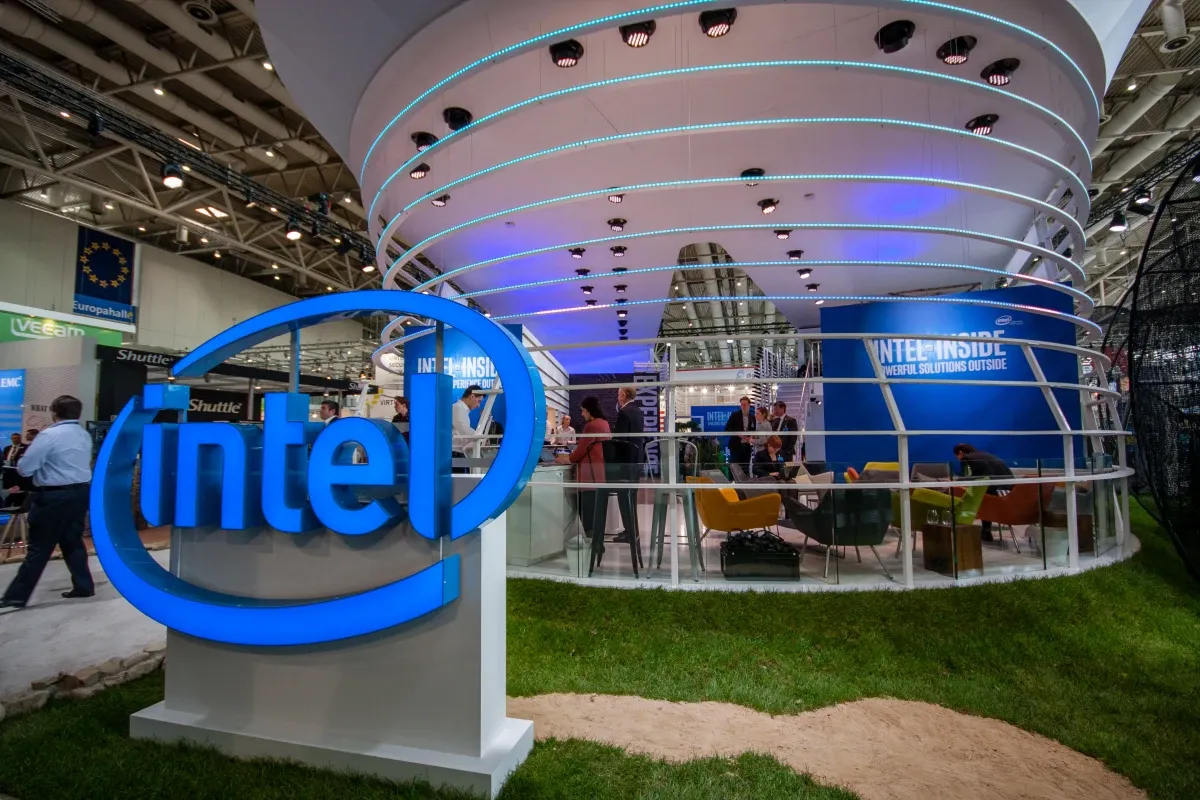
Intel will repurchase a 49% stake in its Irish Fab 34 plant held by a US-based investment company for $14.2 billion.

Netherlands-based AI cloud company Nebius unveiled plans to build a 310 megawatt AI factory in Lappeenranta, Finland.
The UK fined Apple’s European subsidiary £390,000 after it made payments to a Russian streaming platform.