

Nokia and Telia Lead Nordic AI Supergroup
Nokia and Telia are the best-known companies in a Nordic supergroup that should create an AI gigafactory.

Nokia and Telia are the best-known companies in a Nordic supergroup that should create an AI gigafactory.

More than 230 million annual sub-$200 smartphone shipments are forecast to disappear from the global market between 2025 and 2030, according to Counterpoint Research.

After Jensen Huang left the top position at Nvidia, rumors swirled over the vacant CEO position.

SpaceX plans to invest $74 billion across two supercomputing campuses in the US to bolster its AI compute capabilities.

AI-driven discovery of cyber vulnerabilities emerged as the most critical emerging risk facing organizations globally in the second quarter of 2026, according to Gartner.

Meta Platforms expanded the reach of its AI-based age-estimation technology on Instagram to identify teenagers under 18 and place them under Teen Account protections.

TV sets featuring LED backlights with independent red, green, and blue (RGB) LED chips are forecast to account for 13% of global revenue by 2030, according to Omdia.

A global disruption affecting Microsoft Outlook and Teams began to subside on Friday following over 24 hours of systemic instability.

The United States Federal Aviation Administration (FAA) issued a national ground stop for all departing flights yesterday due to exceptional circumstances and safety considerations.

Jensen Huang has resigned from his roles as president, CEO, and board member of Nvidia, effective immediately.

Fraudulent activities within digital banking and monetary transfers are projected to exceed 2.2 billion transactions globally by 2031, rising from 773.7 million in 2025, according to an analysis by Juniper Research.

Investor orders for the Anthropic initial public offering (IPO) are currently double the quantity of available shares, according to several media reports.

CIOs and information technology leaders indicate that risks associated with artificial intelligence are currently outpacing the derived value within their organizations, according to a recent Gartner survey.

Total global investment in artificial intelligence infrastructure is projected to reach a record $31.6 trillion through 2050, according to baseline estimates in PwC’s Global Data Centre Outlook.

Global revenue for artificial intelligence software is projected to exceed $200 billion by 2026, representing a twofold increase from 2024 levels, according to Omdia.
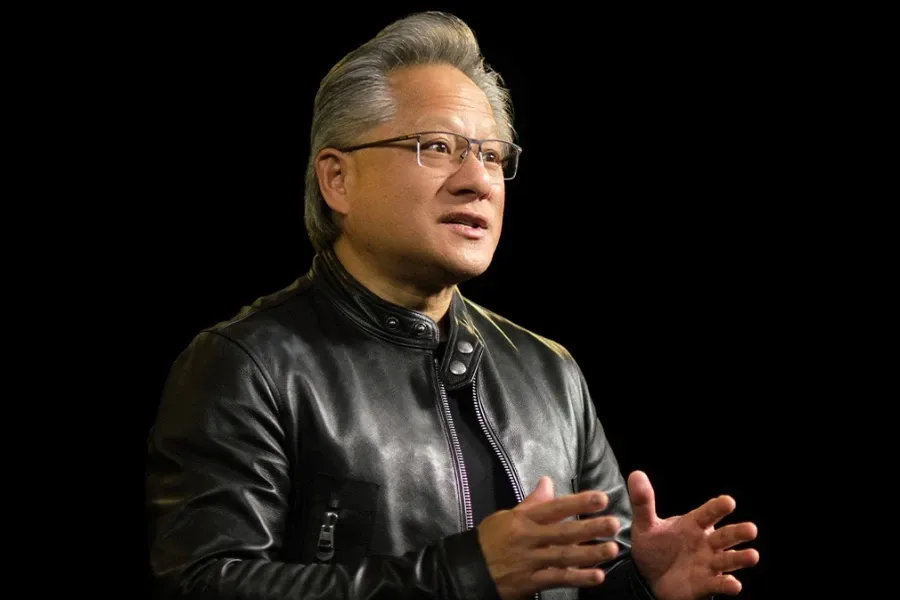
The Chinese government has refuted allegations concerning espionage activities targeting Nvidia, following the company's decision to initiate a probe into CEO Jensen Huang.

The United Kingdom has commissioned Toshiba Europe to evaluate fiber infrastructure capabilities in preparation for the integration of quantum computing.

A recent analysis by Juniper Research indicates that global expenditure on private LTE and 5G networks is forecast to reach $84.7 billion by 2031, rising from $17.3 billion in 2026.

Combis's Project Management Office has developed alongside the company, which has grown from a small IT business into one of the larger ICT integrators in the region. Over the past five years, the PMO has grown from four or five people to 11 members, and it handles 30 to 40 projects a year, depending on their size and complexity. Projects are allocated with the aim of giving managers enough time to oversee delivery and communicate with customers. Over the past year, the team has increasingly focused on applying artificial intelligence to project management. AI helps identify risks early, draw up initial plans and prepare status reports, and it is also used to analyse documentation, extract tasks and prepare meeting minutes and presentations. The Combis PMO describes artificial intelligence as the twelfth member of the team, while Microsoft Power Automate automates processes and connects different tools. Final assessments, responsibility for decisions and communication in challenging situations remain with people. Tena Galić, Project Manager in Combis's Project Management Office, discusses how AI is used in project work and which competencies will be crucial for managers with ICTbusiness Media – ICTbusiness.info.

In complex ICT projects, an emerging problem often appears as a trend of deviations from the plan rather than a missed deadline. Shifts in key activities, higher person-day expenditure, unavailable resources and unmet prerequisites may signal the need to adjust the schedule. When several projects require the same specialists at the same time, project managers, technical leads and the relevant organisational managers work together to align priorities. New client requirements must also be evaluated before being accepted, as even a minor change can require additional effort or shift related activities. The impact on the technical solution, scope, costs, deadlines and quality is then considered, with the decision confirmed by the project sponsor. Completed implementation confirms that contractual project obligations have been fulfilled, but does not in itself reveal the benefit the solution has brought the customer. The business impact can be assessed after a period of use, through process efficiency, system availability or service quality. Veronika Petrović, Project Manager in Combis's Project Management Office, discusses early identification of deviations, resource coordination and tracking value after implementation with ICTbusiness Media – ICTbusiness.info.


