Amazon Leo Launches 29 More Satellites
A United Launch Alliance (ULA) rocket successfully deployed 29 Leo satellites into low Earth orbit for Amazon.

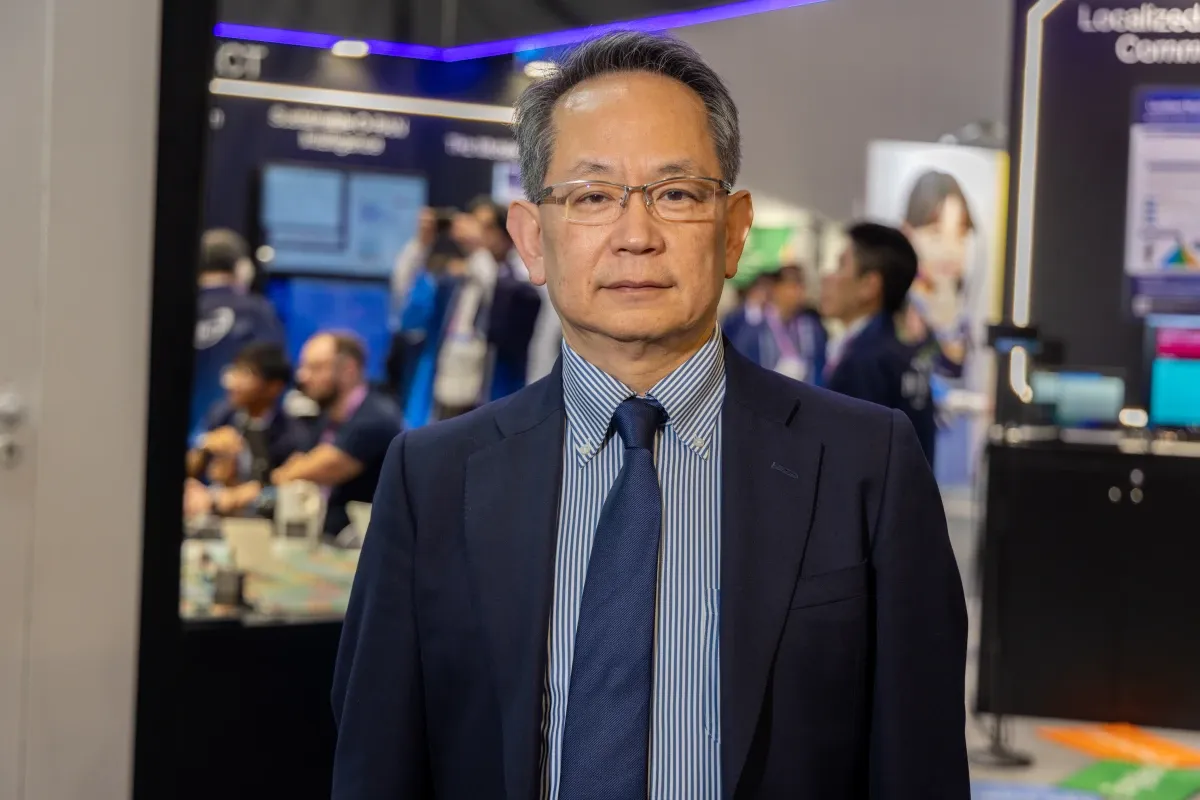
The debate around 6G is no longer centred only on how much faster or more advanced the next generation of networks will be. It is increasingly about connecting research, industry, government, and real market demand into a workable development model. That is where Iwao Hosako, Head of the Beyond 5G R&D Promotion Unit at Japan’s National Institute of Information and Communications Technology, sees the key strength of the Japanese approach. As he explains, in Japan, “industry, academia, and government are coordinated with each other”, a structure that has enabled the country to develop a strategic white paper and plan investments for next-generation network research and development.
Hosako for ICTbusiness Media - ICTbusiness.biz said that this degree of alignment may also hold lessons for Europe, especially at a time when the continent continues to operate through a fragmented regulatory environment and differing national priorities. In his view, Europe’s challenge is not a lack of ambition, but the complexity of operating across many countries where “regulation is really different” from one market to another. That makes it harder to roll out new technologies quickly and consistently. Japan, by contrast, functions as a more unified market, making it easier to apply new approaches across the country. For that reason, Hosako argues that “Japan is maybe a good model for the European people”, not because it can be copied directly, but because it demonstrates how much institutional coordination matters when developing future network generations.
What is particularly notable in Hosako’s thinking is that he does not frame the next phase primarily as a laboratory problem. He openly points out that one of the biggest barriers to 6G is not necessarily technological capability itself. “At the research level, we are trying many different aspects of technologies,” he says, but adds that market requirements are often moving in a different direction. In other words, many technologies are already being trialled, and a number of them are technically available, yet the more important question is now “which kind of technology matches the real market requirements”. That, in his view, will determine how quickly 6G can move from research and experimentation into commercially viable deployment.
That is an important message not only for researchers, but also for telecom operators and equipment vendors. In the post-5G era, it will not be enough to demonstrate a more advanced radio system or a new network feature without clearly linking it to business value and real-world application. Hosako is effectively arguing for a more pragmatic development model in which technical innovation is continuously tested against economics, usability, and sector demand. As he puts it, the industry now needs to “match both requirements and technology”, bringing together what the market is asking for and what the technology community is capable of delivering.
He sees one of the most complex areas in the intersection of communications, sensing, resilience, and quantum-secure technologies. Hosako does not question the importance of those capabilities. On the contrary, he says that “quantum technology is quite important”, but he also stresses that cost, complexity, and practical usability cannot be ignored. Markets do not automatically require every new technical capability simply because it exists. That is why, he argues, the next five years will be critical for synchronising technological possibilities with real demand and opening viable new markets around next-generation networks.
In the end, his message goes beyond a conventional 6G discussion. Future networks will not emerge only from standards documents, testbeds, and policy declarations, but from the ability to connect regulation, investment, industrial strategy, and concrete use cases. In that sense, the Japanese example offers a useful reminder: the development of next-generation communications is not just a technology issue. It is also a question of national coordination, market discipline, and the ability to turn innovation into deployable infrastructure.
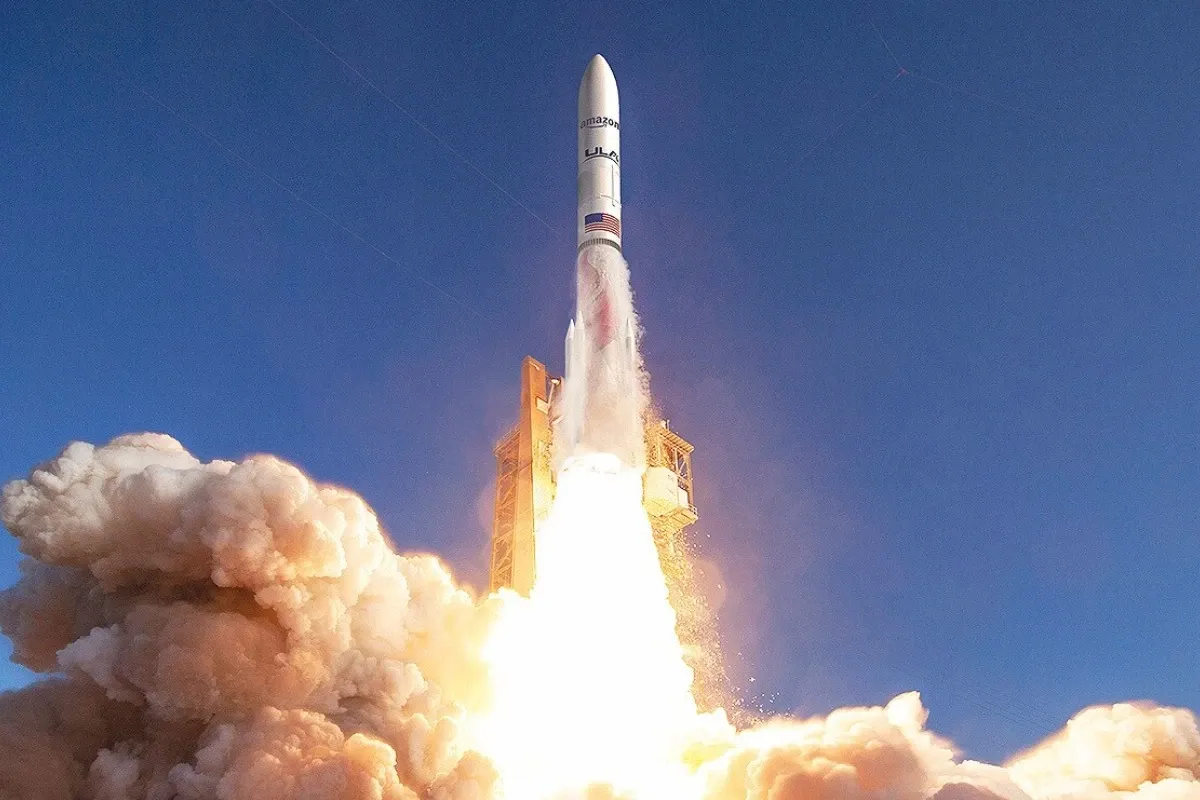
A United Launch Alliance (ULA) rocket successfully deployed 29 Leo satellites into low Earth orbit for Amazon.

VMO2 and VodafoneThree announced they would use the technology designed to disable smartphones stolen from their retail stores.
Ericsson, Telia, and other partners have opened a test center in Sweden that would focus on the development of AI, 5G, and 6G technologies.