Amazon Leo Launches 29 More Satellites
A United Launch Alliance (ULA) rocket successfully deployed 29 Leo satellites into low Earth orbit for Amazon.

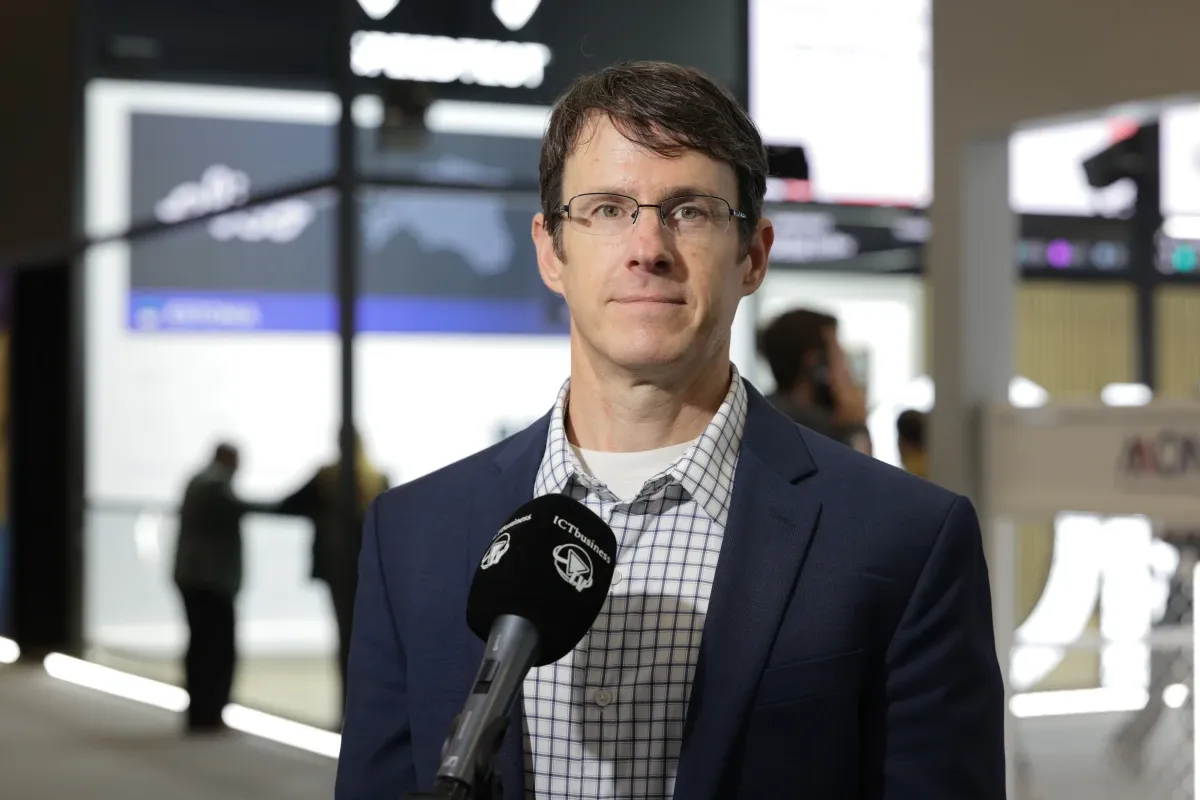
Satellite communications are entering a new stage in which they are no longer just the last resort for areas without terrestrial infrastructure, but an increasingly important part of the wider telecom architecture. That is the key message for ICTbusiness Media - ICTbusiness.biz from Mike Dano, lead industry analyst for North and South America at Ookla, who argues that the past few years have brought a real turning point in how the industry views satellite connectivity. As he puts it, satellite used to be “a slow speed option when there are no other options available”, but that is now changing thanks to low Earth orbit systems and new connectivity models.
Dano says the first major shift is visible in the fixed broadband market. Starlink is already a familiar model here, with a user terminal installed at home or business location, but the real change is that performance is no longer comparable to legacy satellite services. “We’re really seeing an increase in those speeds as Starlink increases the number of satellites,” he says, adding that it is particularly striking to watch network capacity rise alongside the expansion of the constellation. According to Dano, Starlink now operates around 10,000 satellites, while its customer base grew from roughly 4.5 million to 10 million during 2025. At the same time, new competitors are emerging, most notably Amazon’s Kuiper effort, confirming that this is no longer an experimental niche but a serious competitive segment.
The more profound disruption, however, is happening on the mobile side. “This is where things get really interesting,” Dano says, describing direct-to-device as the next major step, where satellites connect not to an external receiver but directly to a smartphone. It is a technology that would have sounded implausible not long ago, because a handset is now reaching a satellite hundreds of miles above Earth rather than a nearby cell tower. Dano notes that Apple and Globalstar were early pioneers in satellite messaging on the iPhone, but he stresses that the market is now moving toward far more ambitious use cases. “Direct-to-device is a completely new technology,” and it is still “very early days”, yet the pace of progress already makes the direction of travel clear.
Starlink again sits at the center of that story. Dano notes that during 2024 and 2025, the company launched around 650 satellites specifically designed for D2D services. A major feature of that approach is the use of operator spectrum, allowing the service to work with many existing phones rather than waiting for an entirely new device cycle. “You don’t have to wait for a new phone. It works on your existing phone,” Dano explains. That is why the company’s new-generation D2D constellation and its agreement with Deutsche Telekom stood out as one of the most significant stories at this year’s Mobile World Congress. The plan points to roughly 1,200 next-generation satellites and a time frame around 2028, although Dano cautions that there is still “a lot of moving parts”, from Starship launches to spectrum and device support.
At the same time, the market raises serious questions around dependency on individual providers, service control, and the growing number of objects in orbit. Dano nevertheless believes the sector is moving toward greater vendor diversity. “No one wants to be reliant on one single connection, one single company,” he says, pointing to AST SpaceMobile, Lynk Global, Globalstar, and Viasat as part of the broader wave of entrants. The real bottleneck, for now, is not demand but the ability to launch satellites at scale, where SpaceX still holds a clear operational advantage. On orbital debris, Dano accepts that the issue is real, but he does not see it as a market-breaking obstacle. The challenge is there, yet he expects the industry to develop practical solutions in parallel with the next generation of satellite connectivity.
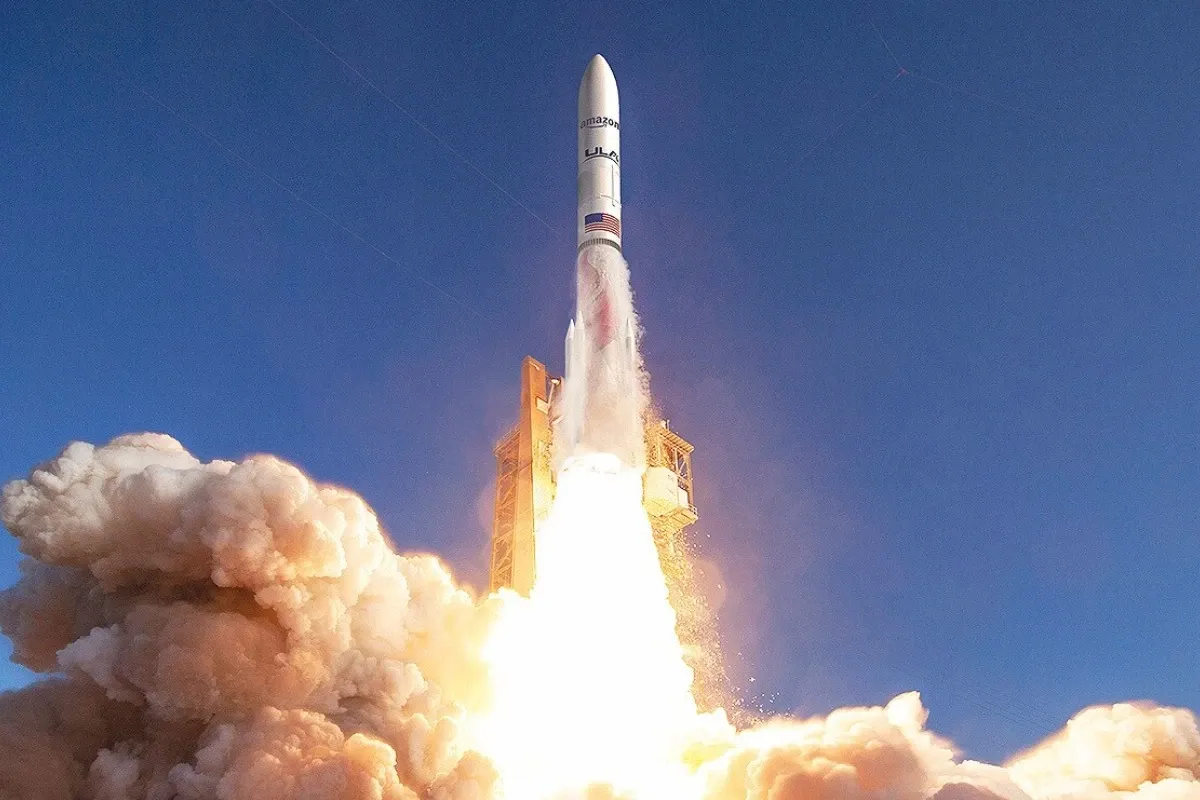
A United Launch Alliance (ULA) rocket successfully deployed 29 Leo satellites into low Earth orbit for Amazon.

VMO2 and VodafoneThree announced they would use the technology designed to disable smartphones stolen from their retail stores.
Ericsson, Telia, and other partners have opened a test center in Sweden that would focus on the development of AI, 5G, and 6G technologies.