French and Polish Companies Combine on Satellite Defence Project
French company Thales Alenia Space signed an agreement with Polish Radmor and Airbus to develop a telecoms defence satellite for the Polish armed forces.


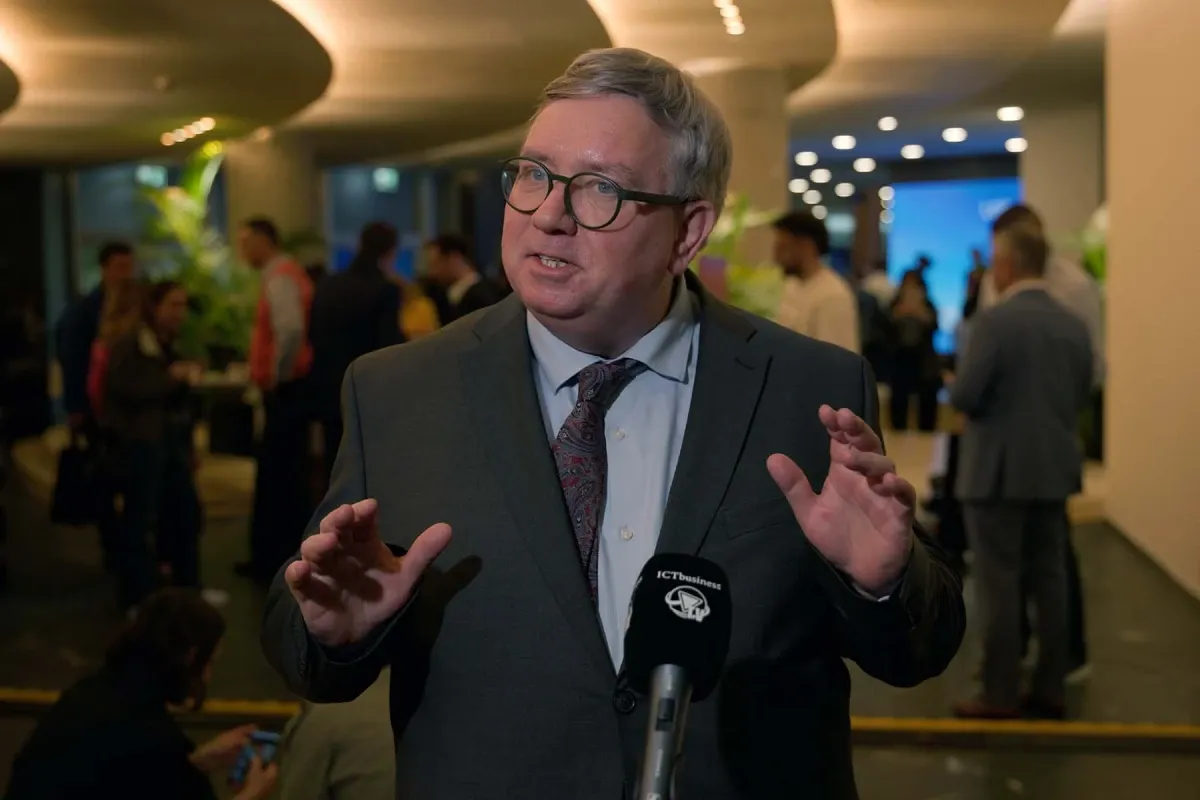
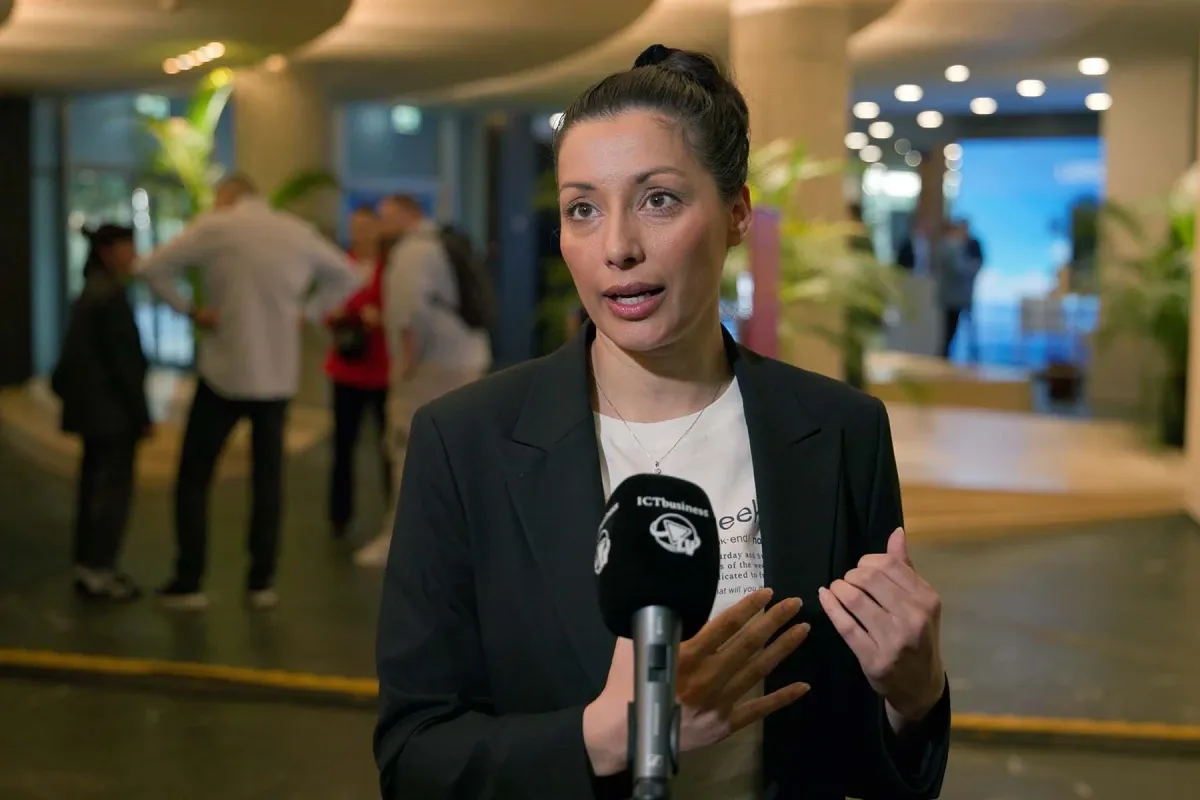
For telecom operators, the key question is no longer whether to build networks, but how to do it fast enough, accurately enough, and in an economically sustainable way at a time when traffic keeps rising, and users expect reliable, high-quality connectivity wherever they are. It is within that context that Danijela Bistrički Morović, Member of the Management Board and Chief Technology Officer of Telemach Hrvatska, describes the network as a system that must adapt almost in real time, with growing reliance on artificial intelligence and a highly pragmatic approach to new generations of mobile technologies.
The interview was prompted by an award the company received, which Bistrički Morović sees not as a short-term achievement but as validation of years of work. As she puts it, the award is an “external confirmation of quality” and reflects what the company has been doing, not over the last few months, but over the last five years, through substantial investment, sound technology choices, and a team capable of turning those into operational network performance. Her point is clear: in telecoms, results do not appear overnight but are built through consistent investment and careful execution.
Managing a mobile network, she explains, is fundamentally different from running fixed infrastructure. “Users change locations,” Bistrički Morović notes, while capacity requirements vary depending on the time of day and specific events. That means the network must be “monitored, managed and upgraded every day wherever needed”. In other words, it must remain flexible enough to respond both to predictable usage patterns and to sudden traffic surges. In such an environment, artificial intelligence is becoming an increasingly important tool because it enables earlier trend detection and better forecasting of where additional investment will be needed. “AI is already gradually embedded in all the tools we use, and also in the network elements themselves,” she says, adding that this allows the company to “get results much earlier”, especially when assessing where upgrades will be required and what the optimal next steps in network expansion should be.
The question of 5G remains one of the industry’s central themes, but Telemach’s technological approach is notably rational. Rather than racing to deploy every new feature as soon as it becomes available, the company follows actual user demand and decides on the next steps accordingly. “We monitor the required functionalities and the required capacities, and based on that, we decide when to implement something,” she says. That is particularly visible in the issue of standalone 5G architecture, or 5G Standalone. While the technology is already a major industry focus and some pilots have been demonstrated, Telemach does not see a reason to rush implementation without a clear business and operational need. “At this moment, we do not need implementation. When capacities increase further, and additional functionalities are needed, we will move into it,” she says.
That approach also stems from a broader issue facing the entire sector. “Year after year, we are talking about the same thing, how to monetise 5G,” Bistrički Morović warns. In doing so, she touches on a problem that has been at the heart of operator discussions for years: networks are expanding, capacity is increasing, and technological capabilities are advancing, but the return on investment still does not always keep pace with the scale of spending. “I think that for Telemach, as for all other operators, the 5G network still has not actually returned its investment,” she says, while noting that future development will also depend on applications and services emerging across the wider ecosystem and using the network as their base platform. In her view, technological progress cannot be separated from business logic or from real market demand.
When it comes to 6G, the message is equally measured. “6G is developing nicely. We will watch how it develops. At this moment, we still do not have plans,” Bistrički Morović says. That does not suggest a lack of interest in technological trends, but rather confirms that Telemach intends to invest when there are clear technical and market reasons for doing so. In an industry that often prefers to speak several steps ahead, such restraint looks more like technological discipline.
An equally important part of Telemach’s strategy concerns the convergence of mobile and fixed infrastructure. Bistrički Morović says the company began building its fibre network five years ago and has now reached more than 300,000 households that can be connected to it. In addition, Telemach has built a significant fibre backbone between cities and in selected regions, supporting both base station connectivity and business-user requirements. “We will definitely continue building fibre,” she says, while stressing that the primary focus remains on larger cities, where the company is currently present in 15 of them.
Where fibre is not available, Telemach is looking to extend coverage through mobile infrastructure and offer fixed wireless access as an alternative. According to Bistrički Morović, such expansion is planned very precisely, especially in areas where neither its own fibre nor that of competitors exists. It is precisely in those locations, she argues, that operators need to strengthen mobile infrastructure and roll out 5G so users can get connectivity that is “comparable to fibre”, or at least good enough to represent a genuine leap forward for areas that have so far been left without satisfactory access.
Her answers suggest that the development of telecom networks in the years ahead will depend less on grand announcements and more on operators’ ability to align technology, investment, and real customer needs. In that model, AI becomes a tool for faster and more precise optimisation, 5G evolves through clearly justified stages, and fibre and mobile are no longer treated as separate layers but as parts of a single connectivity infrastructure for the future. For Telemach, that combination of pragmatism and technological ambition appears to be the basis of its next phase of growth.

French company Thales Alenia Space signed an agreement with Polish Radmor and Airbus to develop a telecoms defence satellite for the Polish armed forces.

Orange, Bouygues Telecom, and Free-Iliad Group have sent a new offer worth €20.4 billion to buy rival SFR from Altice Group and split the assets.

Supermarket chain Lidl is planning to expand its MVNO footprint to a potential 30 countries.