PC Shipments Forecast to Decline 12 Percent in 2026
Worldwide shipments of desktops, notebooks, and workstations in 2026 are expected to decline by 12% to 245 million units, according to Omdia.

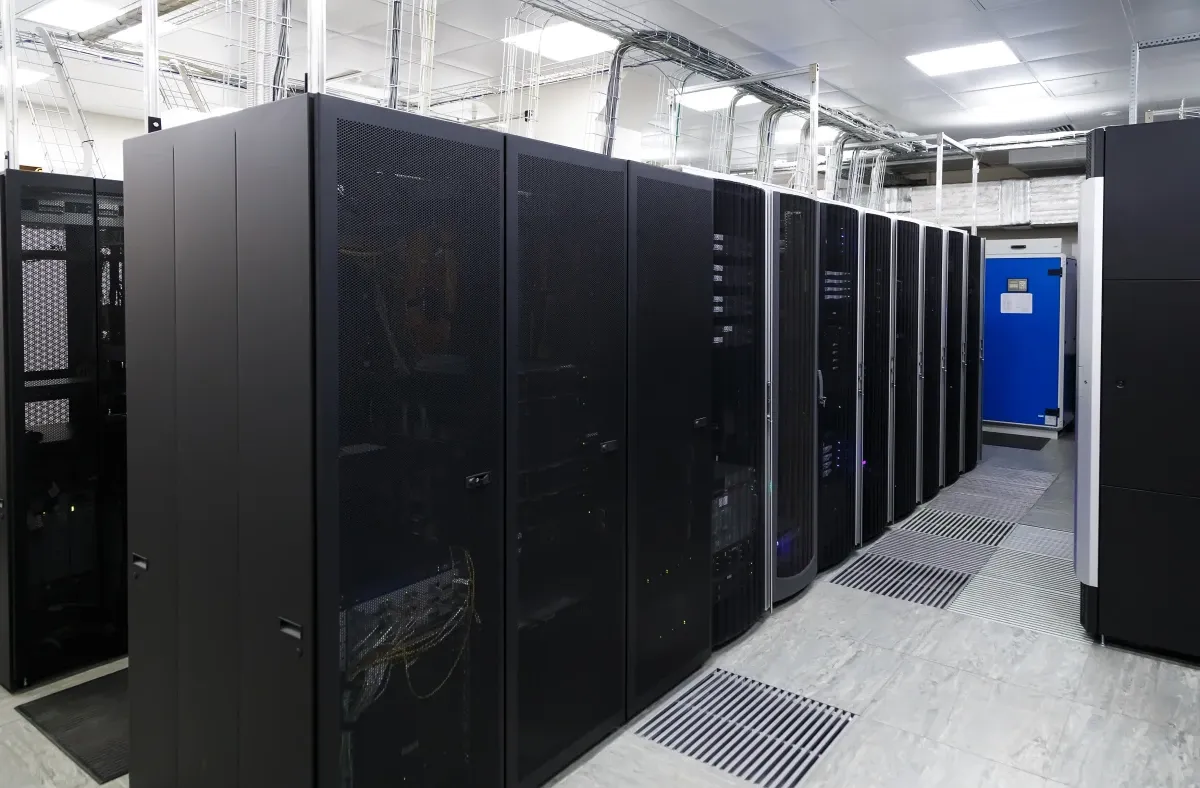
In 2025, talk of the AI bubble grew stronger, with frontier projects such as Stargate dominating the headlines, according to GlobalData. Meanwhile, server densities continued to grow to satisfy the voracious demand for compute placed by AI workloads.
As a result, electrical grids are under unprecedented pressure, creating environmental and economic concerns. The industry is building ahead of projected demand to secure capacity, and financial models are evolving, with private capital playing a growing role in the industry. These trends will accelerate in 2026, making for an intriguing year.
“The pipeline of large-scale data center projects will continue to grow in 2026. GlobalData estimates that there is currently a global pipeline of large-scale data center projects with a total value of $2,306 billion. Data centers have become the backbone of economic competitiveness and a focus of geopolitical interest, driven by the AI revolution that commenced in late 2022,” said Beatriz Valle, Senior Analyst for Enterprise Technology & Services at GlobalData.
GlobalData’s report reveals that the semiconductor space will continue to evolve, with new entrants in the market trying to capitalize on the growing inference opportunity as the technological landscape evolves and more enterprises deploy generative AI in production environments. Greater adoption will also drive edge computing forward, as real-time workloads drive the increased need for localized data center infrastructure to support latency-sensitive applications.
“With the changes that will take place, innovation will continue apace. Liquid cooling technologies will evolve to help dissipate heat in increasingly dense environments. Modular, pre‑engineered AI systems that can be added to existing data centers with minimal disruption will be marketed to help meet demand for compute. AI workloads will grow their presence and expand from AI labs to enterprise environments, a trend that will continue to shape the data center market,” continued Valle.
While there are benefits associated with all these advancements, there are downsides too. Greater financial discipline will be required to bridge the imbalance between AI revenues and data center capex, and regulatory oversight will become increasingly necessary to control the unintended consequences of data center expansion. “Across 2025, the growing importance of AI infrastructure has made the data center sector not only a catalyst for economic growth, but also a source of complexity, surrounding environmental and geopolitical issues, and this will continue in 2026,” concluded Valle.

Worldwide shipments of desktops, notebooks, and workstations in 2026 are expected to decline by 12% to 245 million units, according to Omdia.

For enterprise customers across Europe, telecom is no longer just about connectivity. It is becoming a partner for end-to-end digital transformation.

Global smartphone shipments are forecast to decline by around 7% year-on-year in 2026, according to Omdia’s latest outlook.