5G Core Spending Rose 83 Percent in 4Q25
Omdia’s Core Market Tracker reveals that Communications Service Providers (CSPs) increased their 5G packet core network investments by 83% year-over-year in the fourth quarter of 2025.

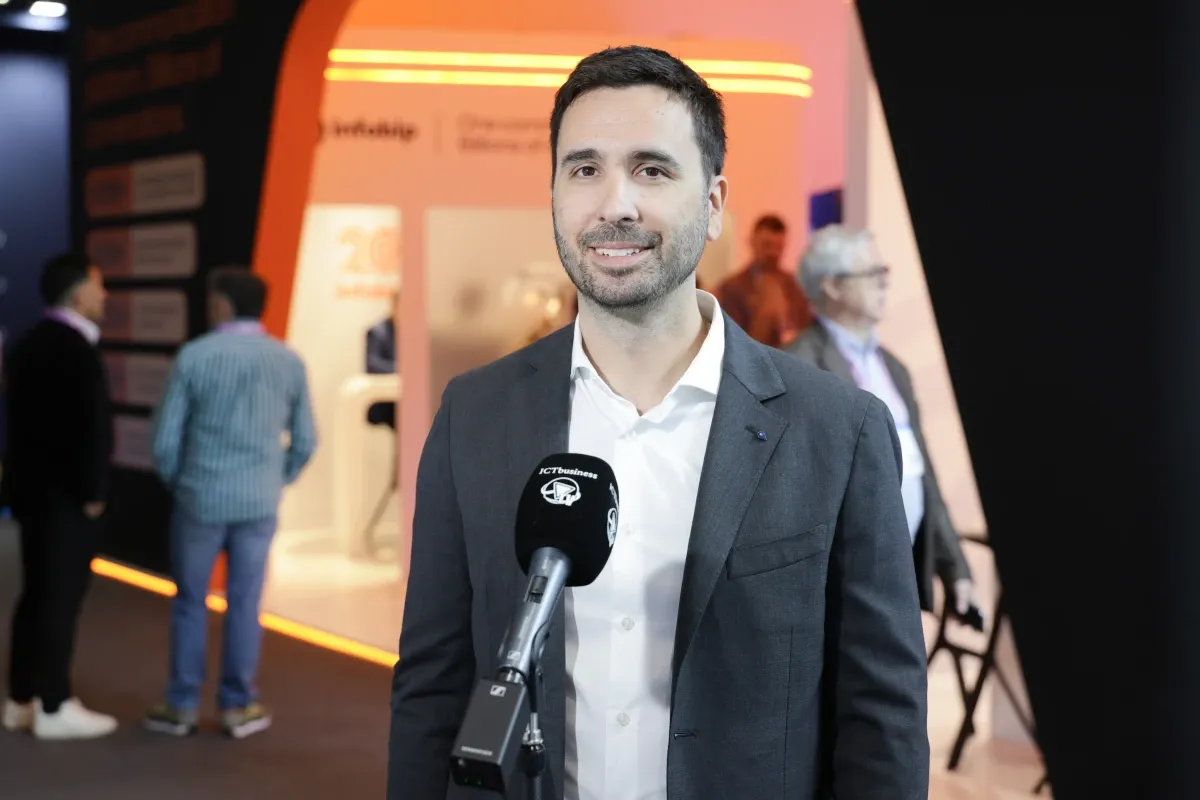
RCS is no longer just another messaging standard, still looking for market validation. It is increasingly becoming a commercially relevant channel, said Ante Pamuković, Chief Revenue Officer at Infobip for ICTbusiness Media. He believes the conditions are finally falling into place for broader adoption. After years of slow progress, fragmented deployments, and limited interoperability, RCS is now moving into a phase where brands can begin using it more seriously in customer communication.
Pamuković stresses that RCS has always had a much more complex path to scale than app-based platforms such as WhatsApp. “Here, there is an added layer of complexity because all 800 mobile operators in the world need to complete integrations, preparations, and agreements with Google and others,” he says. That operational and ecosystem complexity, combined with several unsuccessful attempts over the past two decades, has long held the technology back.
That is now starting to change. According to Pamuković, several of the world’s biggest markets have already integrated RCS at the mobile network level, with Europe emerging as one of the most advanced regions. “France, Spain, the United Kingdom, Italy, Germany, then Mexico, Brazil, and North America, while India has already opened up and Asia is following,” he notes. The main shift is that RCS is finally gaining the reach and interoperability needed to deliver messages across a broad base of Android and iOS devices.
Apple’s entry is particularly important in that context. For Pamuković, it addresses one of the biggest missing pieces that previously limited RCS’s commercial momentum. “With Apple joining the story and with integrations on the operator side, businesses can now start using the technology together with us as a technology partner,” he says. In effect, the market is moving from a waiting phase into an execution phase.
For telecom operators, that also creates a fresh monetization opportunity. Pamuković describes RCS as “a very important new source of revenue” at a time when operators have been under pressure from declining income in traditional communications services. Much of the value once associated with SMS has shifted toward OTT channels, and RCS could help operators reclaim a more meaningful role in business messaging.
Infobip sees its own role in building value-added services and solutions on top of that channel. “By developing different solutions for its customers, Infobip can embed its own value through various services,” Pamuković explains. But the larger story is what this means for enterprise users. Traditional messaging, especially SMS, has largely been a one-way channel with limited engagement options. “You send a piece of information, and that is it. You do not know whether someone accepted it or acted on it,” he says.
RCS changes that model by enabling much richer interaction. “You can create different offers and materials where people can immediately click, do something, buy something, or start communication with the brand,” Pamuković explains. That ability to move directly from message to action is one of the strongest arguments for RCS, especially in e-commerce, customer engagement, and digital sales journeys.
Another major advantage is that RCS is native to the handset. “It is an application that is natively on every phone. Nothing needs to be installed or downloaded,” he says. In a market where every extra step can reduce conversion, that native presence gives brands a potentially powerful advantage over standalone apps.
Pamuković does not expect an overnight replacement of existing channels. WhatsApp is already deeply embedded in many companies’ communication strategies, and businesses have invested heavily in it. But he sees the coexistence of channels as positive. “A very healthy competition is being created for brands, and I think end users and the brands themselves will benefit the most in the long term,” he concludes. That competitive pressure may ultimately accelerate innovation and turn business messaging from a basic notification tool into a full-scale commercial and service channel.

Omdia’s Core Market Tracker reveals that Communications Service Providers (CSPs) increased their 5G packet core network investments by 83% year-over-year in the fourth quarter of 2025.

Global tablet shipments declined by around 3% QoQ and 4% YoY in 4Q25, marking a clear step into a more mature phase for the market, according to Counterpoint Research.
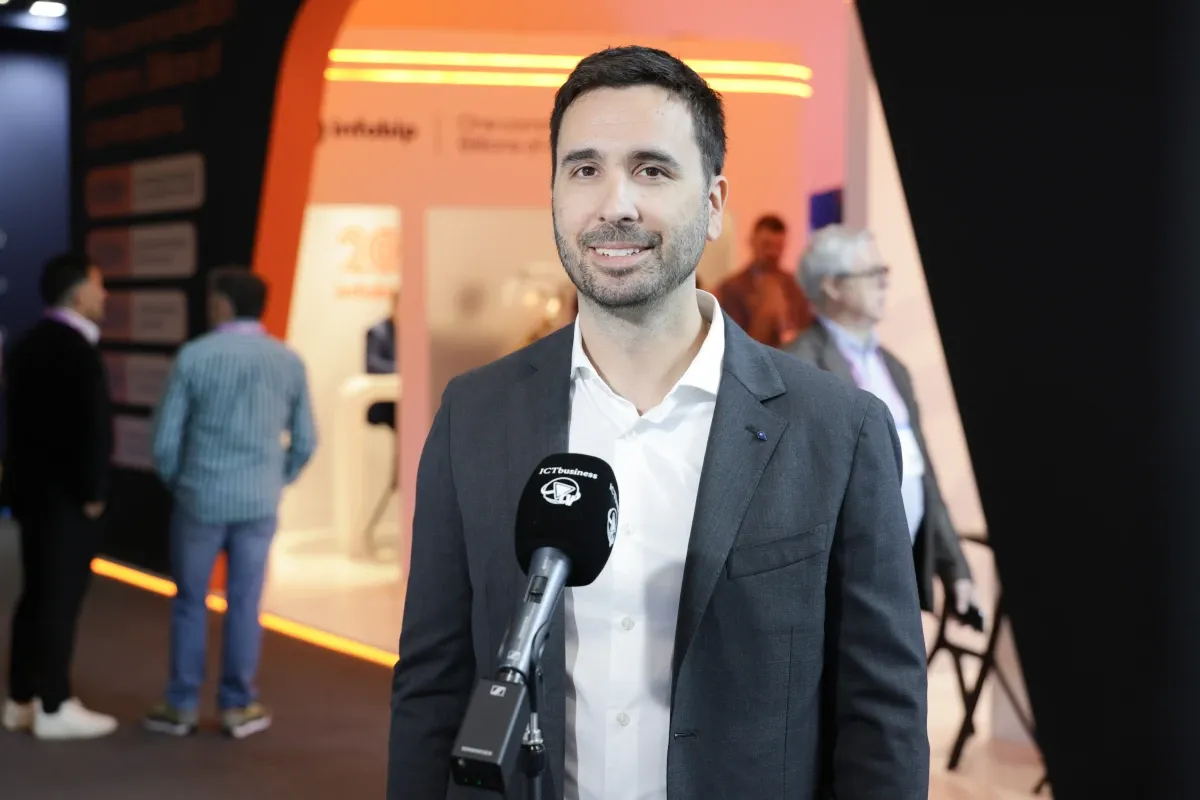
RCS is no longer just another messaging standard, still looking for market validation. It is increasingly becoming a commercially relevant channel, said Ante Pamuković, Chief Revenue Officer at Infobip for ICTbusiness Media.