5G Core Spending Rose 83 Percent in 4Q25
Omdia’s Core Market Tracker reveals that Communications Service Providers (CSPs) increased their 5G packet core network investments by 83% year-over-year in the fourth quarter of 2025.


Global tablet shipments declined by around 3% QoQ and 4% YoY in 4Q25, marking a clear step into a more mature phase for the market, according to Counterpoint Research. This growth followed a stronger Q3 and a high comparison base in the prior year, when 4Q24 shipments had grown nearly 8% YoY as the market rebounded on the back of leading OEMs like Apple and Samsung returning to more regular launch cycles, and the rapid expansion of Chinese OEMs.
For the full year of 2025, the market remained in the mid-100-million-unit range, signaling a shift toward a steadier replacement-driven trajectory. As the category matures, premium products and deeper ecosystem integration are becoming increasingly important, with leading vendors placing greater emphasis on value creation and long-term user engagement rather than chasing short-term shipment spikes.
Within this digestion phase, most OEMs prioritized cleaner channels and healthier economics over aggressive unit growth. Inventory was managed more tightly, promotions were more measured, and brands leaned into higher-value products where they had clearer strengths, from Apple’s premium productivity-oriented iPads to Android vendors’ higher-end tablets with stylus and ecosystem integration. Apple stood out in this environment – iPad’s global ASP rose from $527 in 3Q25 to $583 in 4Q25, underscoring the continued strength of the premium segment and Apple’s ecosystem. Meanwhile, Android vendors focused on stabilizing demand by reinforcing mid-range price bands and expanding productivity features such as keyboard and stylus support while maintaining strong coverage in value segments. Supply-side signals, including a pullback in tablet display panel shipments, also pointed to normalization rather than a large build ahead of 2026.
Looking ahead, the global tablet market is expected to face renewed pressure in 2026 as rising memory prices weigh on the economics of mid-range and entry-level devices, particularly for Android vendors. While shipments may soften in the near term, demand is expected to gradually stabilize as component costs normalize and replacement cycles resume. The continued shift toward premium and productivity-oriented tablets should also help support a more replacement-driven market structure over time. The latest iPad Air, launched in the first quarter of 2026, further strengthens the premium‑leaning segment of the market by offering a refreshed option between flagship Pro models and base iPads that maintains robust performance and memory configurations at broadly consistent price points, giving cost‑conscious upgraders an accessible premium choice and helping Apple defend a richer premium mix and relatively stable iPad shipments even as rising memory costs pressure the broader tablet category.

Omdia’s Core Market Tracker reveals that Communications Service Providers (CSPs) increased their 5G packet core network investments by 83% year-over-year in the fourth quarter of 2025.

Global tablet shipments declined by around 3% QoQ and 4% YoY in 4Q25, marking a clear step into a more mature phase for the market, according to Counterpoint Research.
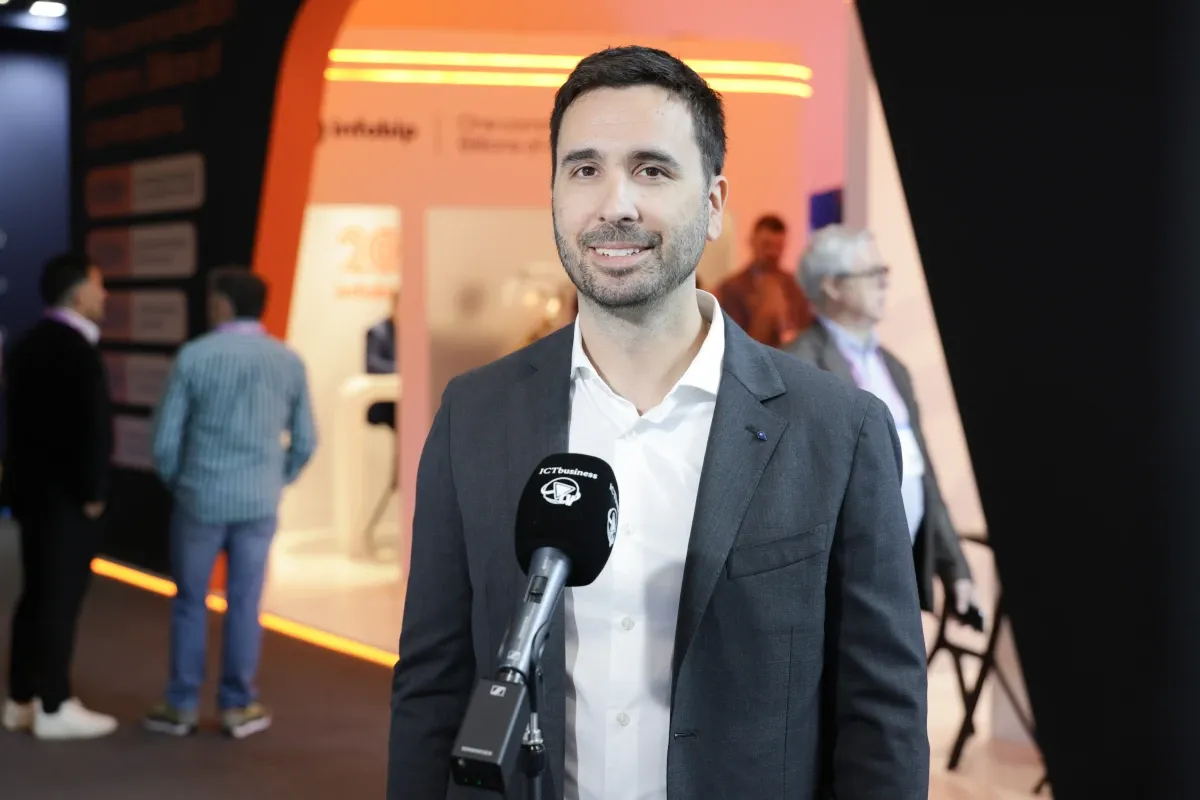
RCS is no longer just another messaging standard, still looking for market validation. It is increasingly becoming a commercially relevant channel, said Ante Pamuković, Chief Revenue Officer at Infobip for ICTbusiness Media.