
Wearable Tech to Become $232 Billion Industry by 2030
The wearable tech industry was worth $117.4 billion in 2024 and is forecast to reach $232.2 billion by 2030, according to GlobalData.

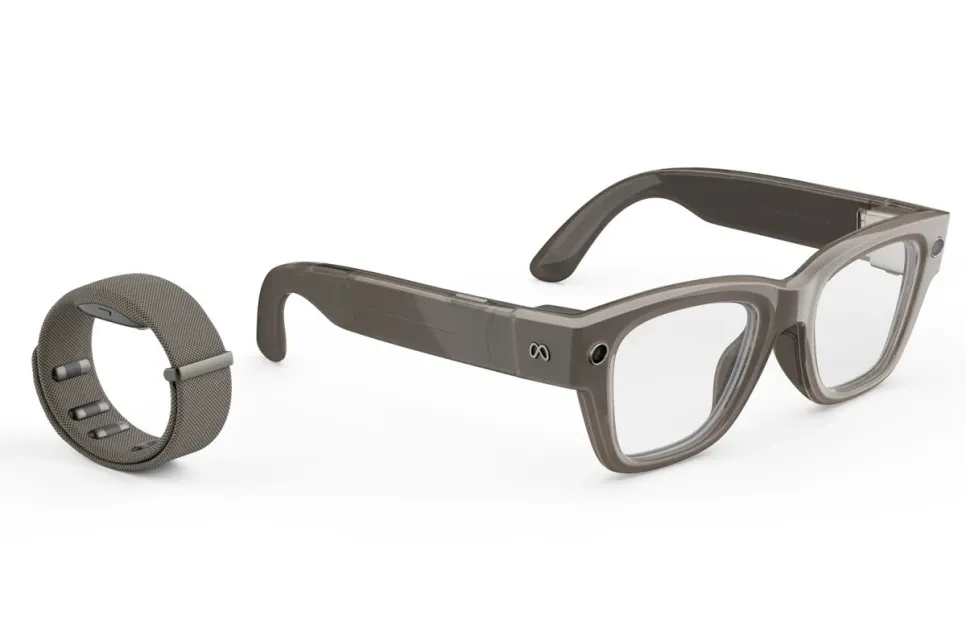
The wearable tech industry was worth $117.4 billion in 2024 and is forecast to reach $232.2 billion by 2030, according to GlobalData. The report outlines hearables and smartwatches as key growth drivers, supported by strong demand for health monitoring and AI tools.
Smart glasses will be the fastest-growing segment through 2030, driven by broader device availability, expanding consumer and enterprise use cases, and multimodal AI capabilities. Emerging form factors such as smart rings will gain traction, potentially displacing traditional fitness trackers, while AR and VR headsets will continue to face adoption constraints due to high prices, bulky designs, and a lack of compelling use cases.
“AI is transforming wearable devices from basic trackers into smart, context-aware assistants that offer personalized health insights, wellness advice, and seamless integration into digital ecosystems. The next wave of wearables promises even greater personalization, anticipating user needs, surfacing reminders, and transforming from passive into active health partners,” commented Pinky Hiranandani, Strategic Intelligence Analyst at GlobalData.
The wearable tech landscape is rapidly evolving, with leading electronics companies diversifying their portfolios and strategically repositioning themselves to capture emerging opportunities. While companies such as Samsung are aggressively expanding their hardware lineup, entering the smart ring market in 2024 and AR headset market in 2025, companies such as Microsoft are shifting away from hardware. Microsoft discontinued its HoloLens 2 headset in 2024, signaling a pivot from hardware to a focus on mixed reality software and services.
“Although the long-term outlook remains positive, AI wearables will not take off as standalone products soon. Instead, AI features will be integrated into existing devices like smartwatches, hearables, and smart glasses. As LLMs become faster and more capable of processing multiple types of input (voice, text, visuals), wearables will evolve from passive tools into active assistants. They will be able to surface reminders, summarize content, and even anticipate user needs,” concluded Hiranandani.
The wearable tech industry was worth $117.4 billion in 2024 and is forecast to reach $232.2 billion by 2030, according to GlobalData.

Worldwide IT spending is expected to reach $6.15 trillion in 2026, up 10.8% from 2025, according to the latest forecast by Gartner.

A new study by Juniper Research has found that the number of mobile subscribers using Mobile Virtual Network Operators (MVNOs) will increase from 333 million globally in 2026 to 438 million in 2030.


