Croatia Can Become a Regional Data Centre Hub, But It Must Align Energy, Regulation, and Ambition
Croatia’s data centre industry is entering a phase in which individual infrastructure projects are no longer the only issue.

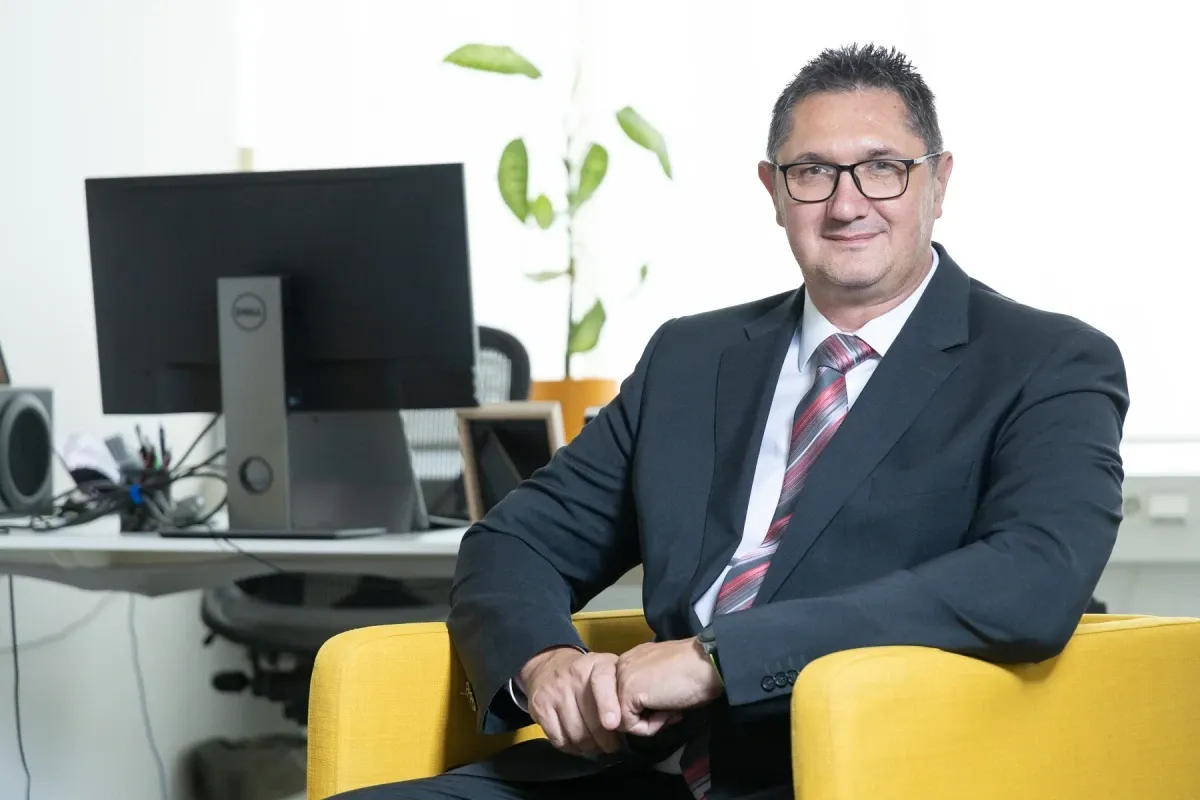
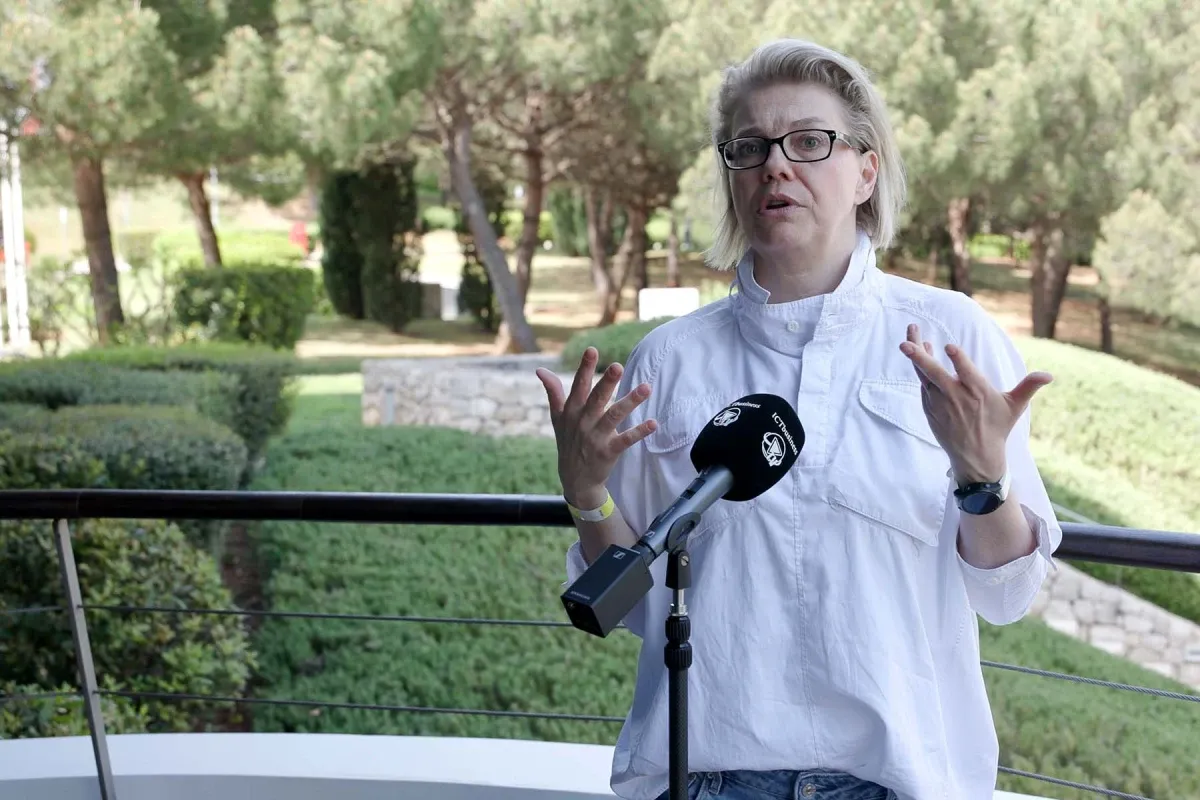
Croatia’s data centre industry is entering a phase in which individual infrastructure projects are no longer the only issue. The broader question is whether the country can position itself within the regional digital economy and turn its geographic, regulatory, and energy advantages into a long-term competitive asset. Goran Đoreski, president of the Croatian Data Centre Association, says the association’s first conference showed that data centres are no longer a niche technology topic in Croatia, but a matter of economic strategy.
According to Đoreski, the first conference confirmed that the industry has reached a point where it must communicate its needs and potential more clearly. “From the beginning, we knew we had something to say, but we were not sure whether the market would recognise it,” he says. The full conference hall, strong media interest, and the participation of Minister Damir Habijan showed, in his view, that the subject has moved beyond technical circles.
What matters now is not only high-level political support, but its translation into the administrative and operational reality of investment projects. “Minister Habijan said several very important things for our industry,” Đoreski notes. But for those messages to have an impact, they must be reflected in construction permits, power connections, regulations, and the practical procedures that determine whether projects can actually be built.
When assessing the Croatian market, Đoreski starts from a realistic position. “Our first problem is always the problem of a small market. There are only 3.8 million of us,” he says. That, however, does not mean Croatia should lower its ambitions. It means it must choose its positioning carefully. “It does not mean we have to be modest and humble in our expectations. We simply have to be smart,” he adds.
In his view, Croatia has several important strengths: EU membership, political stability, Schengen access, a regulated business environment, and connection to Central Europe’s power grid. “We are a peaceful country, without terrorism or war operations, we are in the European Union, and we have no tax-related problems in collecting our invoices,” Đoreski says. This gives Croatia a platform to serve Southeast Europe, a region with a significant population and economic potential. “Zagreb must establish itself, together with Sofia and Athens, as an industrial leader in this part of Europe,” he argues.
Large investment announcements, particularly those related to AI infrastructure and megawatt-scale capacity, are both an opportunity and a risk. Đoreski notes that global markets are now entering an investment cycle in which some of the largest technology companies are not primarily focused on short-term profitability, but on securing future market share. Croatia, he argues, must avoid entering projects that cannot be justified over the long term. “We have to position ourselves on the side of those who will make money through the entire cycle,” he says.
This is particularly important in AI data centres, where technology, energy demand, and business models are still changing rapidly. “No one has actually yet seen an AI data centre that operates for 20 years and remains profitable throughout its entire investment cycle,” Đoreski warns. Croatia, therefore, needs a sustainable model rather than a speculative one. “We must not realise after two cycles of graphics cards that we went down the wrong path,” he says.
For larger projects, from current upgrades to potential new campuses, the role of the state and local communities is essential. Đoreski stresses that projects of this scale do not work anywhere without institutional support, especially when transmission lines, power infrastructure, spatial planning, and permitting are involved. “If we are talking about transmission lines and infrastructure of that type, of course, nothing is possible without the state,” he says.
At the same time, the industry itself must continue to build knowledge. Croatia has companies that already work on parts of major data centre projects in Western Europe, but it does not yet have comprehensive domestic experience in operating facilities of several dozen or several hundred megawatts. “First, we have to understand how much we know and how much we do not know,” Đoreski says, adding that Croatia should learn from countries such as Poland and Germany.
The conclusion is clear: Croatia has a real opportunity, but it will not materialise automatically. Data centres are no longer just technical facilities; they are part of a broader energy, industrial, and digital strategy. If the state, local authorities, the energy sector, and private investors can act in a coordinated way, Croatia can become a relevant regional hub. If not, the opportunity will move to markets that are faster in aligning capital, regulation, energy, and operational expertise.
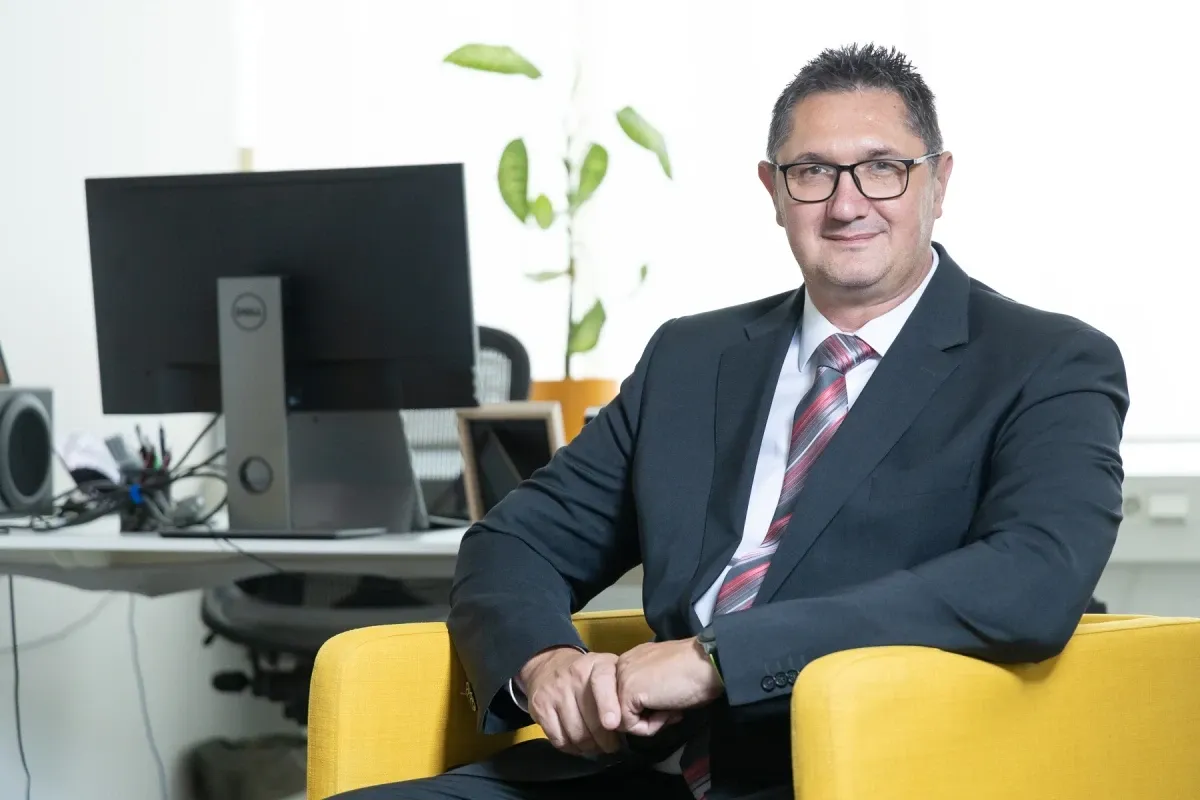
Croatia’s data centre industry is entering a phase in which individual infrastructure projects are no longer the only issue.
French AI specialist Mistral AI agreed to acquire Austrian startup Emmi AI.
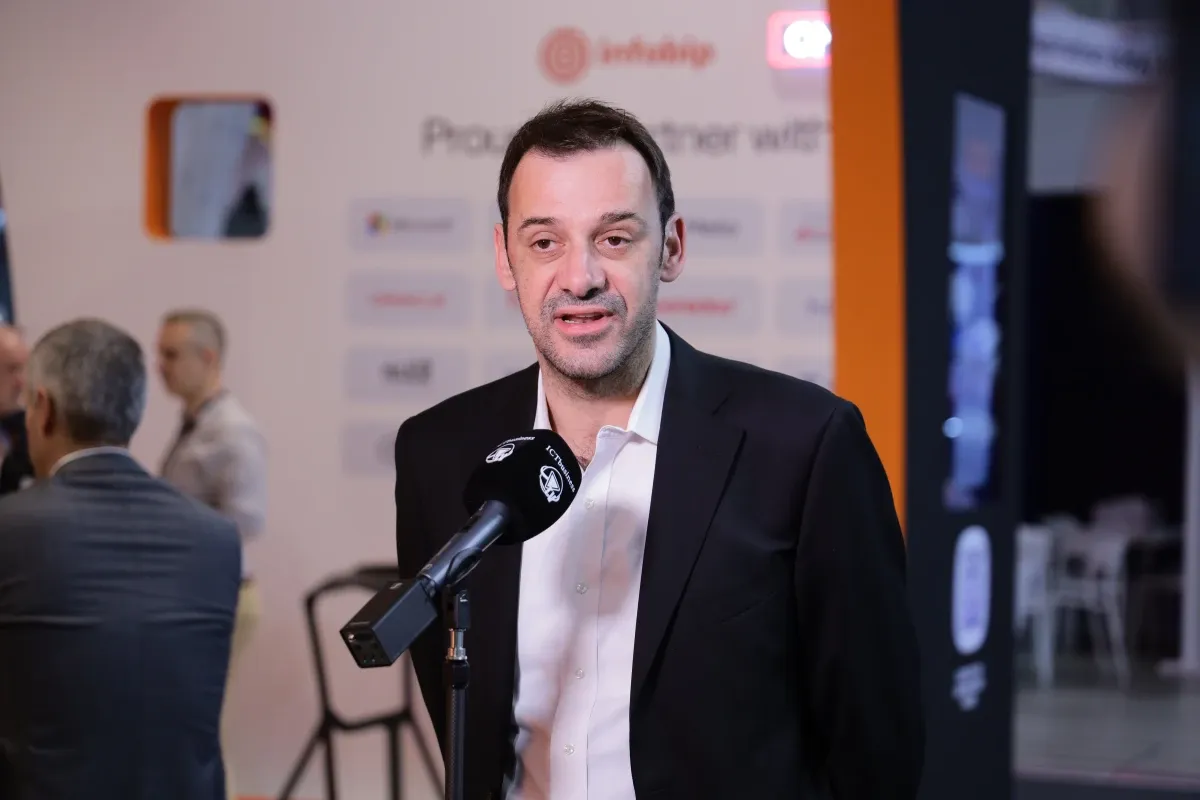
Infobip has been recognized as a Leader in the 2026 Gartner Magic Quadrant for Communications Platform as a Service.