NVIDIA Invests $2 Billion into AI Cloud Company Nebius
NVIDIA signed a strategic partnership with AI infrastructure provider Nebius.


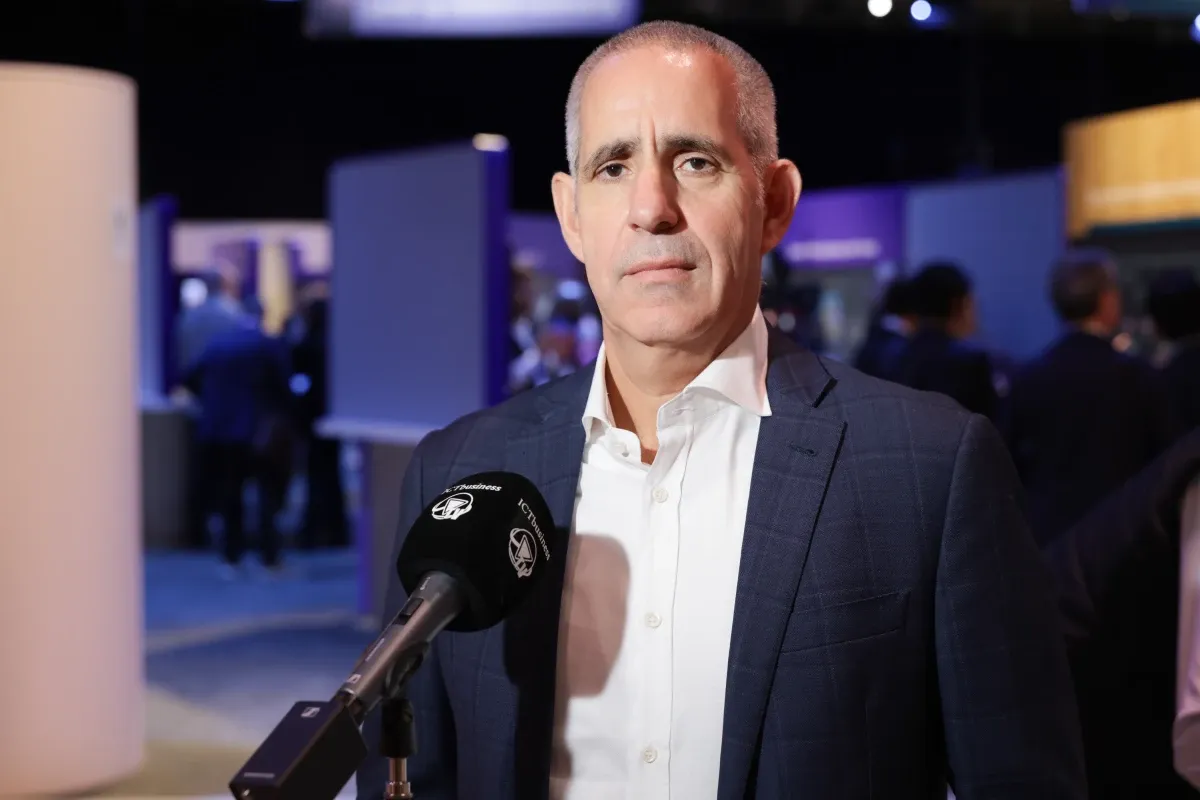
Two decades after telecom operators built their business around rapid network expansion, subscriber growth, and the rollout of core connectivity services, the industry has entered a very different phase. Infrastructure remains the foundation of the sector, but much of today’s new digital value is being created above the network layer rather than within it. That is precisely where Matija Ražem, Chief Commercial Telecom Officer at Infobip, sees the next growth opportunity for both operators and companies such as Infobip, which build communications services on top of telecom infrastructure. In the interview, he argues that operators remain a critical pillar of the digital economy, but can no longer rely solely on traditional revenue models.
Ražem notes that the market has changed profoundly over the past 20 years. “When this started two decades ago, telecom operators were in a different stage of development. Networks were expanding, huge amounts were being invested, and growth was exponential,” he says. Today, in his view, the picture looks very different. “Operators remained focused on backbone and core network development, while all the additional services moved elsewhere.” It is a concise description of the structural shift reshaping the industry: the network remains indispensable, but differentiation and monetisable innovation are increasingly occurring in the application, cloud, and communications layers.
His view of artificial intelligence is equally telling. AI may now dominate the agenda of virtually every technology event, including Mobile World Congress, but Ražem argues that telecom companies are still using it mainly behind the scenes. “If we are talking about telecom operators, they are not using AI that much. They use it to some extent internally, for core network operations and process improvement, but when it comes to external services that people will actually feel, startups and large companies such as Google, Microsoft, and others have done far more,” he says. In other words, operators have yet to fully turn AI into a strong customer-facing commercial proposition, while major technology players have moved much faster.
That is where Infobip sees its role. “We joined the AI wave, but we believe we can offer a lot here. We are leaders in the communications industry. We are not a pure telecom company; we build communication channels on top of telecom,” Ražem says. That positioning, between operators, enterprises, and end users, gives Infobip room to embed AI into both products and operations. He is careful to frame this not as a workforce reduction story, but as a productivity play. “We do not intend to lay people off. We want to use AI to achieve much better results and a greater effect with the same number of people,” he says.
Another major theme in the discussion is European digital sovereignty, which Ražem sees as having moved from a marginal issue to a strategic priority over the past two to three years. Europe, he argues, can no longer ignore the need for its own infrastructure, local data residency, and a stronger degree of technological independence. “We need to emphasize market sovereignty, something that was not really important two or three years ago. Now we have realised that we need our own local data residence capabilities and, ultimately, chip production as well,” he says. He frames this not merely as a political or regulatory issue, but as a market direction that will increasingly shape future services.
In that transition, Ražem believes telecom operators are the natural starting point. Europe still has a strong industrial base through companies such as Nokia and Ericsson, while operators have what many newer players do not: large customer bases, infrastructure, and established trust. “I see telecom operators as the base from which this can move forward, with a large user base to which these kinds of services can be offered,” he says. In that scenario, operators would no longer act only as connectivity providers, but also as platforms for locally compliant, sovereignty-oriented digital services.
Monetisation, however, remains one of the central unresolved issues for the European telecom industry. Ražem is explicit that the market is still searching for sustainable models to extract value from 5G, fibre, and the emerging API economy. Infobip sees its opportunity in bridging telecom assets with new communications channels and business models. “Over the past 20 years, we have achieved major success by monetising various services on the telecom side,” he says. That story began with SMS, where Infobip built a major global business, but the focus is now shifting to newer channels. “In the last few years, RCS has emerged, and we have been very successful there, especially in some regions. In the US, for example, we are seeing tremendous growth,” Ražem adds.
He also points to network APIs as another potential pillar of future monetisation, even though the segment has yet to deliver the breakthrough the industry has long been talking about. “This has been discussed for three, four, five years already. It has not moved that much yet, but it is something that will exist. It is tied to the monetisation of 5G networks and some of that will definitely happen,” he says. The assessment reflects both realism and confidence: the pace may be slower than many in the industry hoped, but the direction is becoming clearer. In the end, Ražem sees Infobip as a company that can help operators turn network capabilities into tangible commercial value. “Infobip is someone who can use all the channels operators provide and bring new value,” he says. That line also captures the broader transition facing the sector: telecom companies remain an essential infrastructure backbone, but future growth will increasingly depend on their ability to build services above the network, create smarter communications models, and participate in platforms that fit the demands of the AI era and Europe’s push for digital sovereignty.

NVIDIA signed a strategic partnership with AI infrastructure provider Nebius.

UK regulator Ofcom appealed to the most popular social media platforms to enforce minimum age rules for people using their services.

Two decades after telecom operators built their business around rapid network expansion, subscriber growth, and the rollout of core connectivity services, the industry has entered a very different phase.