NVIDIA Powers Most of the World’s Fastest Supercomputers
NVIDIA powers more than 400 of the world’s 500 fastest supercomputers, 81% of the TOP 500, according to the latest rankings.

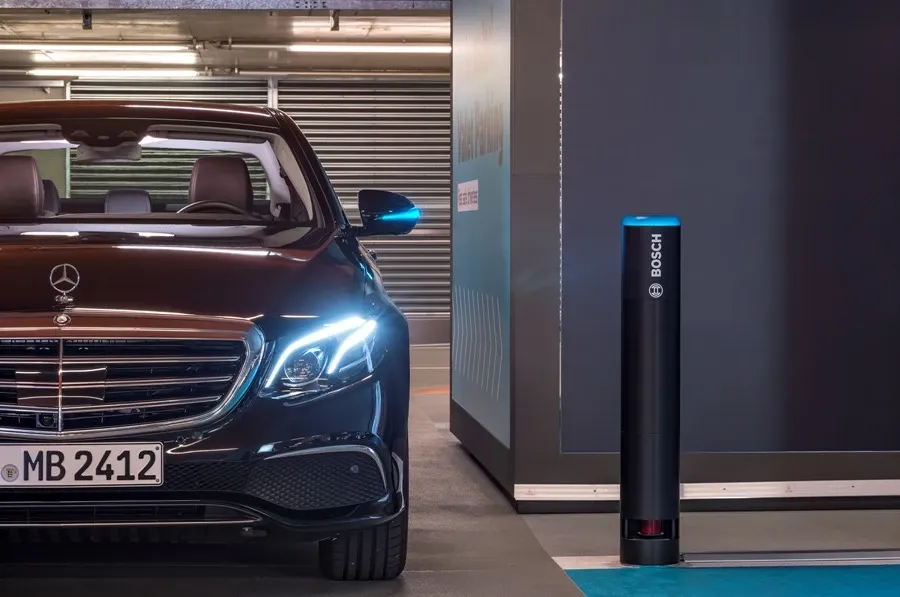
Bosch and Daimler have reached a milestone on the way to automated driving. The two companies have now obtained approval from the relevant authorities in Baden-Württemberg for their automated parking system in the Mercedes-Benz Museum parking garage in Stuttgart.
The automated valet parking service is accessed via a smartphone app and requires no safety driver. This makes it the world’s first fully automated driverless SAE Level 4 parking function to be officially approved for everyday use.
“This decision by the authorities shows that innovations like automated valet parking are possible in Germany first,“ says Markus Heyn, member of the board of management of Bosch. “Driverless driving and parking are important building blocks for tomorrow’s mobility. The automated parking system shows just how far we have already progressed along this development path.“
“This approval from the Baden-Württemberg authorities sets a precedent for obtaining approval in the future for the parking service in parking garages around the world,“ said Michael Hafner, the head of drive technologies and automated driving at Daimler “As a pioneer in automated driving, our project paves the way for automated valet parking to go into mass production in the future.“
From the very beginning, Bosch and Daimler’s top priority for the driverless parking service was safety. Since there is as yet no official approval process for automated driving functions that do not require a driver, the local authorities oversaw the project along with experts from the German technical inspection service TÃœV Rheinland from the outset. Their aim was to assess the operating safety of the automotive and parking-garage technology.
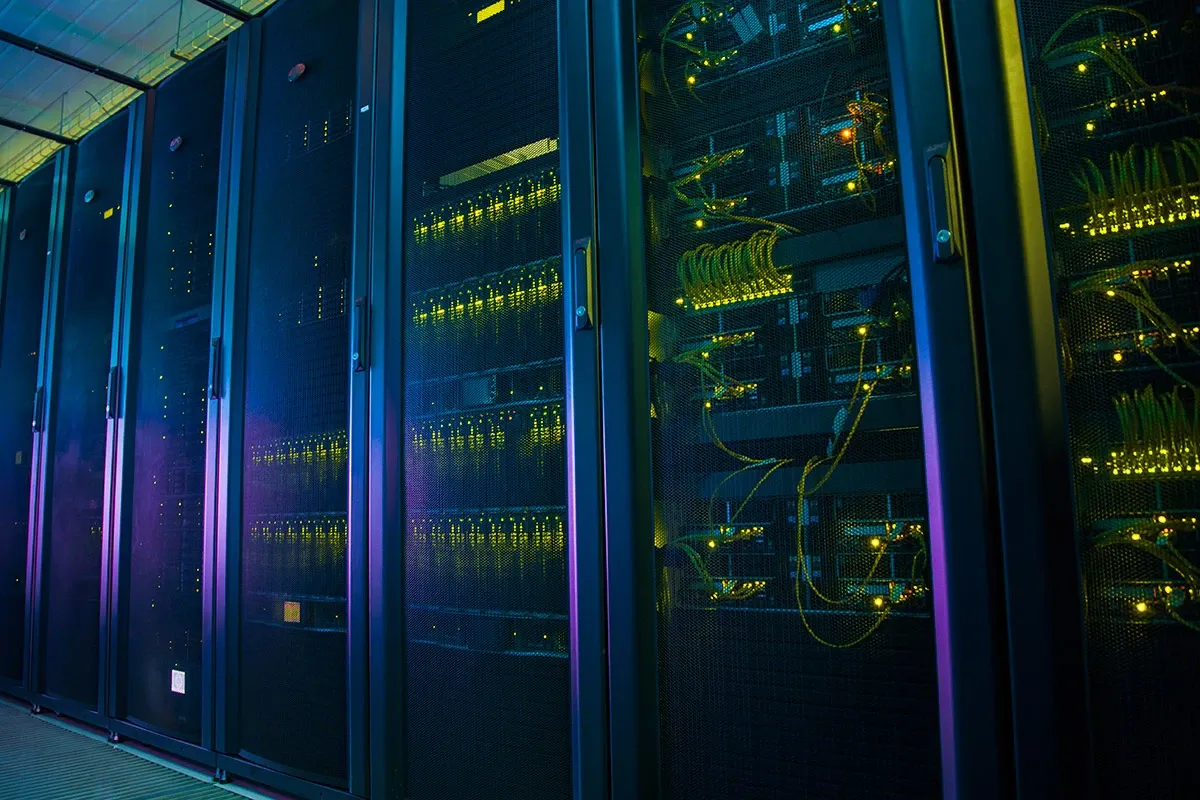
NVIDIA powers more than 400 of the world’s 500 fastest supercomputers, 81% of the TOP 500, according to the latest rankings.
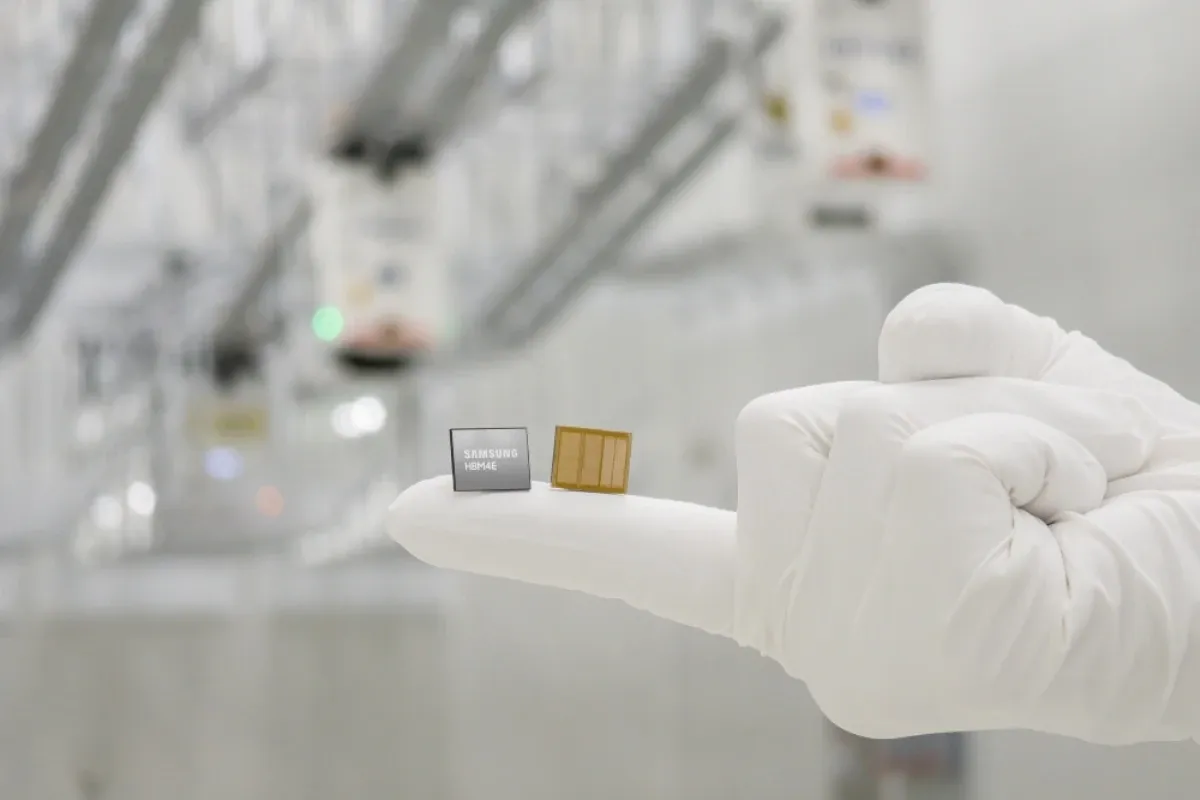
Samsung announced that it has begun shipping the industry’s first 12-layer HBM4E samples to major global customers.
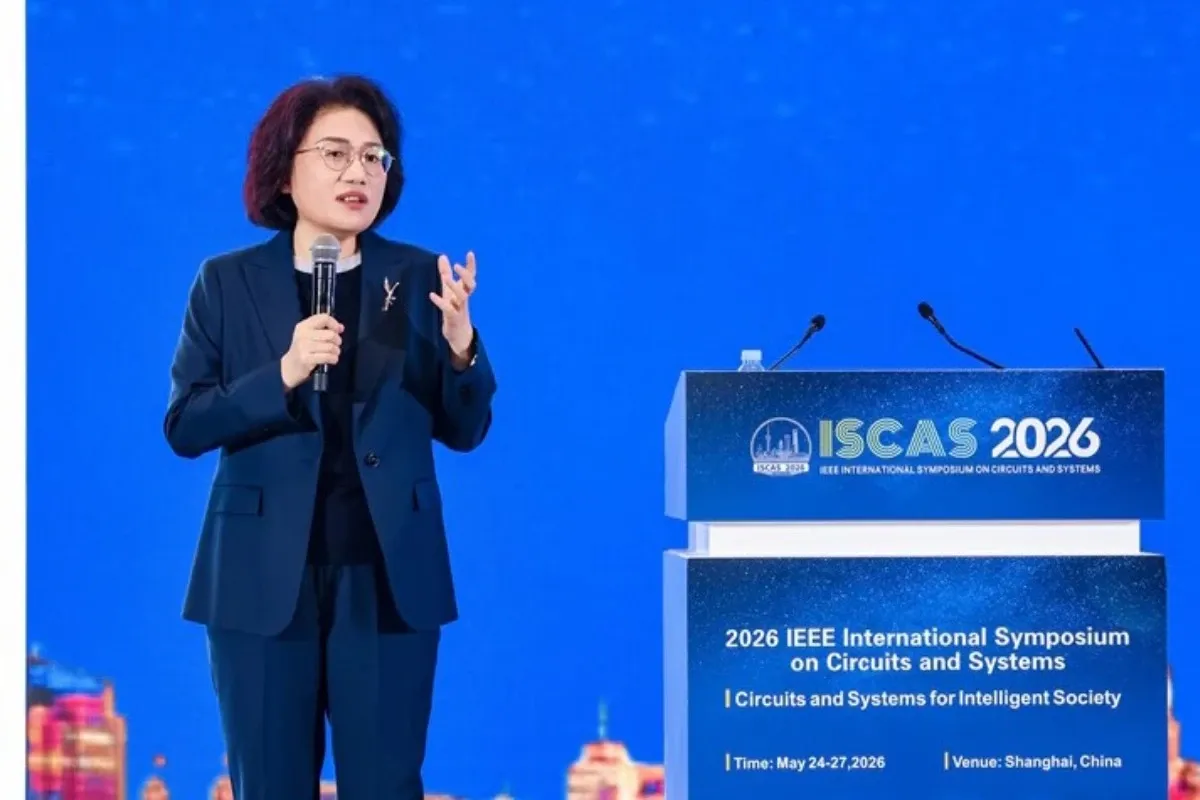
In recent years, Moore's Law, which has guided the semiconductor industry for more than five decades, has faced severe physical limits and diminishing economic returns.