
Cellular IoT Connections to Reach 5.9 Billion by 2035
The cellular IoT market is poised for significant growth in the coming years, with connections expected to surge to 5.9 billion by 2035, according to new research from Omdia.


The cellular IoT market is poised for significant growth in the coming years, with connections expected to surge to 5.9 billion by 2035, according to new research from Omdia. The study identified three pivotal technologies as primary growth drivers: 5G RedCap, 5G Massive IoT, and 4G LTE Cat-1bis modules.
The research highlights 5G RedCap as a transformative development, with adoption projected to gain momentum starting in 2025. Positioned as the optimal mid-tier connectivity solution, RedCap caters to 5G devices that do not require the advanced specifications of Ultra-Reliable Low Latency Communications (uRLLC) or Enhanced Mobile Broadband (eMBB). Additionally, RedCap offers critical futureproofing benefits as the industry transitions toward phasing out 4G networks beyond 2030.
While the initial deployment of RedCap has been slower than expected, 2025 has shown some promise with the launch of the latest Apple Watch range that incorporates RedCap technology. Complementing this growth, eRedCap module launches are expected to begin in 2026, further expanding mid-tier connectivity options and driving adoption across a broader range of use cases. "The implementation of 5G RedCap in the latest range of Apple Watches has signalled the starting gun for RedCap adoption," explained Alexander Thompson, Senior Analyst for IoT at Omdia. "Going forward, enterprises will have a wider and wider selection of connectivity technologies to benefit any application. The expected launch of 5G eRedCap modules in 2026 will provide further cellular IoT connection growth over the next decade.”
The automotive segment will rise from 500 million connections to around 1.2 billion over the next ten years, increasing its market share from 13% to 21%. Most of this connection growth will originate from Asia & Oceania, which will see its automotive segment rise due to increasing consumer demand for intelligent vehicles with 5G connectivity. “The rapid rise of software-defined vehicles, the fundamental need for over-the-air updates, regulatory mandates, and vehicle-to-everything, are all made possible by cellular connected vehicles, which is why we expect to see vehicles represent 1 in 5 cellular connections by 2025”, added Andrew Brown, IoT Practice Lead at Omdia.

The cellular IoT market is poised for significant growth in the coming years, with connections expected to surge to 5.9 billion by 2035, according to new research from Omdia.
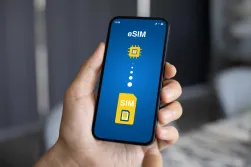
A new study by Juniper Research has found that the number of devices using eSIMs will grow by 30% in 2026, rising from 1.2 billion in 2025.

CEO confidence in their company’s revenue prospects has fallen to its lowest level in five years, according to PwC.


